
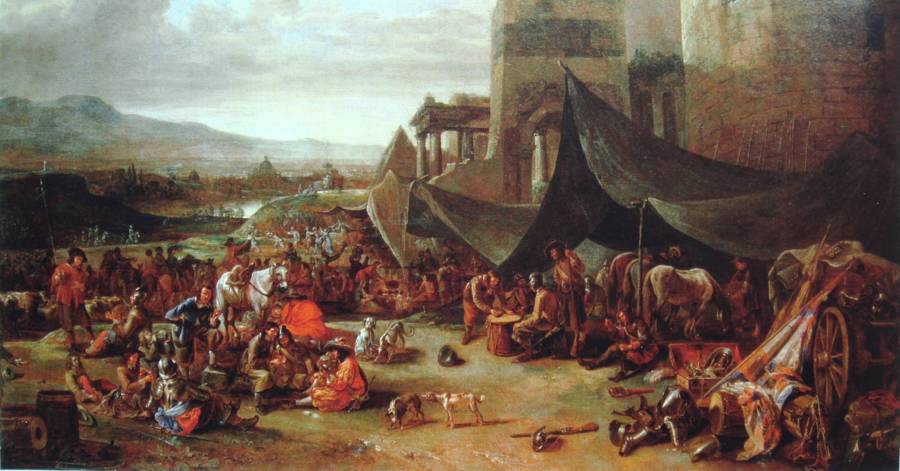
Polluting our air and rivers is not a new phenomenon. The quote above could have been written by anyone who is a part of the modern environmental movement, but it was penned nearly two thousand years ago by Pliny the Elder as part of his multivolume Natural History. Recent studies show that at its height, the Roman Empire created so much air pollution that it changed the climate across Europe.
Doing something about pollution is not new either. Both Romans and Greeks made laws about dumping waste into rivers and streams, and in some places, covered waterways to prevent more waste from entering the river and to protect those who lived nearby from the smell of sewage. There were even court rulings limiting business from discharging too much smoke that could impact those who lived and worked nearby.
In medieval Europe, concerns about polluted water and air continued. In London, the Thames had so much waste disposed of in it that ship passage was threatened. Complaints about the air quality in cities were raised as early as the thirteenth century and continued well into the sixteenth. While there was discussion about the health impacts of the smoke, the main complaints were related to the odors and soot produced by burning coal. Both Queen Elizabeth I and King James I complained of the excessive smoke from coal burning; King James required his household to move from using bituminous coal to anthracite coal because it produced less smoke.
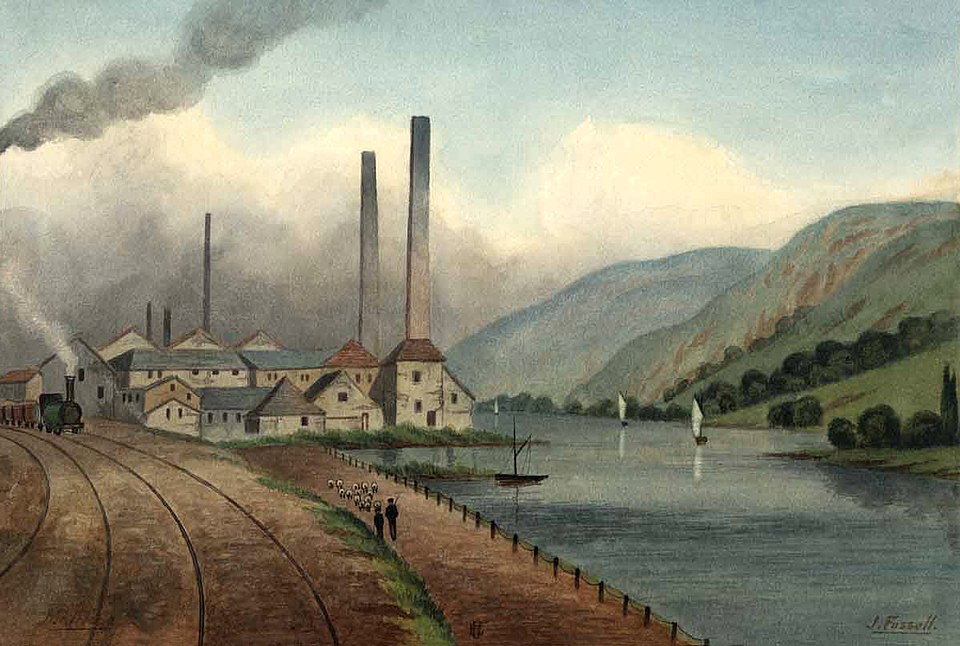
In the nineteenth century, with the coming of the industrial age, cities in Europe and the United States saw the rapid expansion of coal-burning factories and mills. In many places, people began to move away from cities due to an increase in smoky air. In 1881, Chicago became the first city to pass ordinances to regulate the discharge of smoke. Cincinnati passed a similar law the same year. Other cities instituted laws to control the amount of smoke in the air, but many of these laws were not regularly enforced and the punishments, usually in the form of fines, often were not stringent enough to hinder polluters.
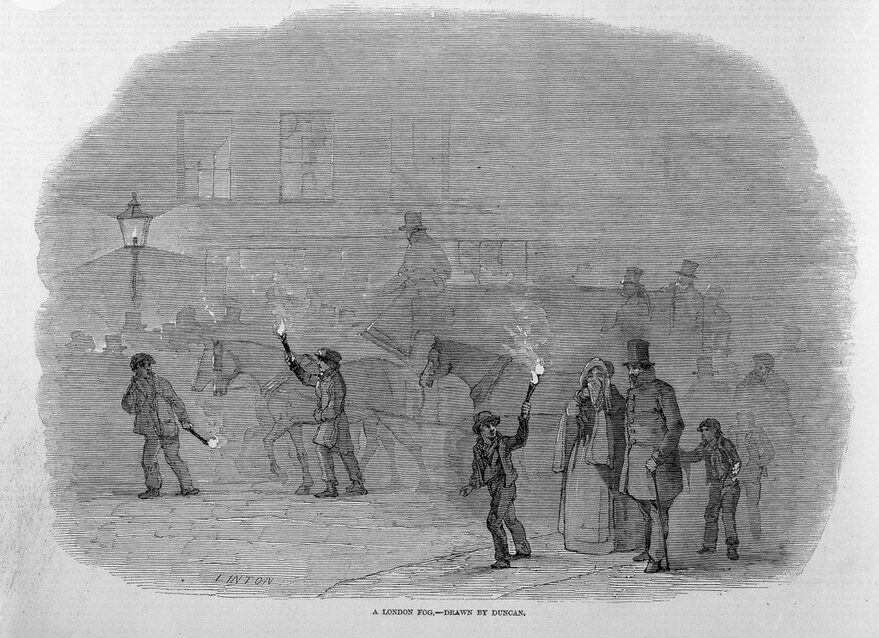
The arrival of the twentieth century didn’t slow things down. In 1930, a combination of industrial pollution and weather brought about the Meuse Valley Fog in Belgium, causing the deaths of at least sixty people. Over the next several decades, London, Philadelphia, and St. Louis experienced “killer fog,” which killed several hundred people and sickened thousands more.
At the same time all of this was happening, people began to take action. In 1947, the city of Los Angeles established the Los Angeles Air Pollution Control District, and in 1949, the US held its first conference on air pollution. In 1955, Congress passed the Air Pollution Control Act, which funded research and laid the groundwork for the Clean Air Act of 1970. Since its passage, the Clean Air Act has been credited with a 90 percent reduction of pollutants from motor vehicles since the 1970s, an 80 percent reduction in mercury emissions, and a 90 percent reduction of atmospheric lead. Beyond improving air quality, the Act is also estimated to have prevented 370,000 premature deaths, reduced hospital admissions by 189,000, and generated economic benefits exceeding two trillion dollars.
Today, smoky city skies and poor air quality may seem like a thing of the past. Generations of Americans have been brought up with clear skies and clean air to breathe, but we know from the past just how long air pollution was an issue before serious steps were taken to curb it. Our definition of emissions and pollution has also expanded as we have come to realize that many of the same sources that contribute to poor air quality also contribute to climate change. Poor air quality is not a new issue, but neither is the fight for cleaner air for everyone.
Written by Joie Grandbois, Director of Sustainability
Sign up to our newsletter for our latest news and events