
Launched in September 2021, Recovering New England’s Voices (RNEV) is Historic New England’s dedication to challenging standard accounts of the past and promoting community, collaboration, and inspiration at our historic sites and through our public programs. RNEV’s main goals are to unearth stories that have long been neglected or suppressed, share them through our tours and programs, and support healing from past harm inflicted upon marginalized communities. This includes research conducted by RNEV scholars, fellows, and interns, as well as other forms of storytelling institution-wide.
RNEV’s first cohort of scholars—Hannah Francis, Leo Lovemore, Scot McFarlane, and Tricia Peone—specialized in women’s, LGBTQ+, Black, and Indigenous histories. Together, they scoured New England archives to uncover stories linked to our sites. They identified twenty-eight previously unknown enslaved people, 583 stories for further research, and more than one thousand primary sources.
In RNEV’s second year, scholar Erika Slocumb researched the experiences of Black people in New England from the seventeenth to nineteenth centuries. Her work deepened our knowledge of free Black and enslaved individuals connected to all thirty-eight Historic New England sites.
In RNEV’s second year, scholar Erika Slocumb researched the experiences of Black people in New England from the seventeenth to nineteenth centuries. Her work deepened our knowledge of free Black and enslaved individuals connected to all thirty-eight Historic New England sites.
In RNEV’s third year, two researched the Indigenous peoples on whose lands our historic houses stand today. Kimonee Burke (Narragansett Indian Tribe) and Danikah Chartier (Mi’kmaq) documented Indigenous histories related to several Historic New properties and developed guidance on place names and terminology.
In RNEV’s fourth year, scholars are expanding the stories told at our sites and helping Historic New England prepare to commemorate the 250th anniversary of the American Revolution. Dr. John Galante is researching immigrants and the immigrant experience in the region, while Dr. David Naumac is exploring “revolutionary” stories at our sites, emphasizing the experiences of women and people of color.
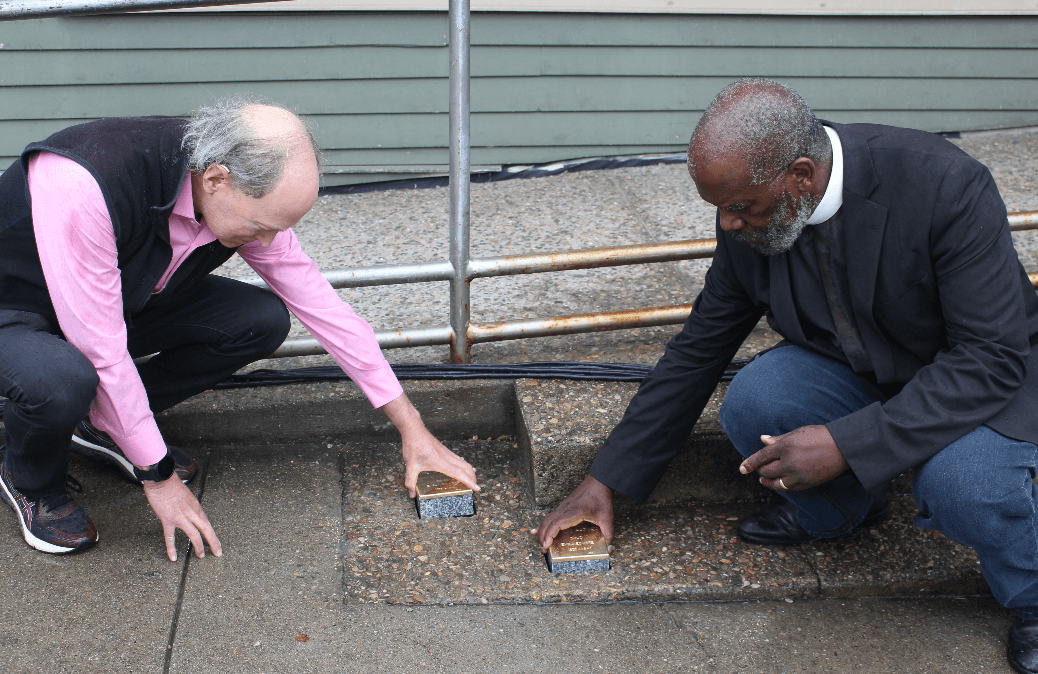
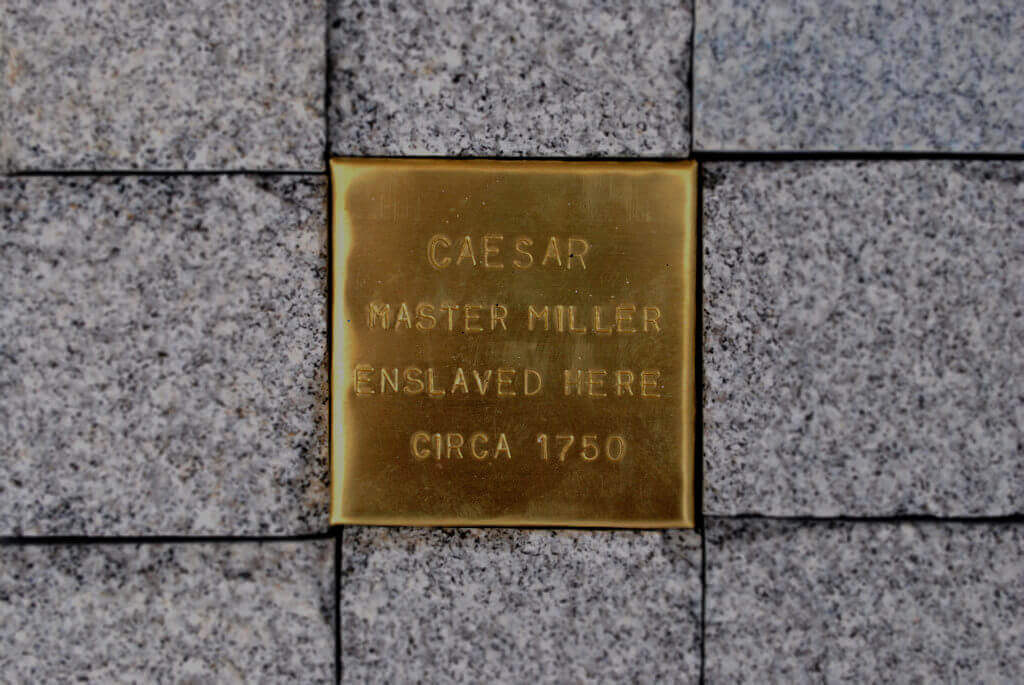
Stopping Stones serve as a powerful tool for fostering understanding and dialogue. Inspired by Stolpersteine—more than 100,000 plaques across Europe commemorating victims of the Nazi regime—Stopping Stones are being installed throughout the United States to confront the legacy of slavery and its continued impact today. Each “stone” is a hand-embossed brass plaque engraved with the names and occupations of enslaved individuals, placed at or near locations where they were once held. These markers act as a permanent call to awareness, encouraging reflection on the lives of those who often have no known descendants or resting place—individuals whose existence has been erased from the historical record.
 |  |
Each academic year, the Study Center hosts two Research Fellows on a nine-month appointment. These fellowships are for emerging academics and new professionals who hold, at minimum, a master’s degree in a humanities, social sciences, or arts field.
Whether you’re a student or recent graduate seeking hands-on experience in archives, museums, or historic preservation, Historic New England offers a variety of opportunities to help preserve and share our region’s past.
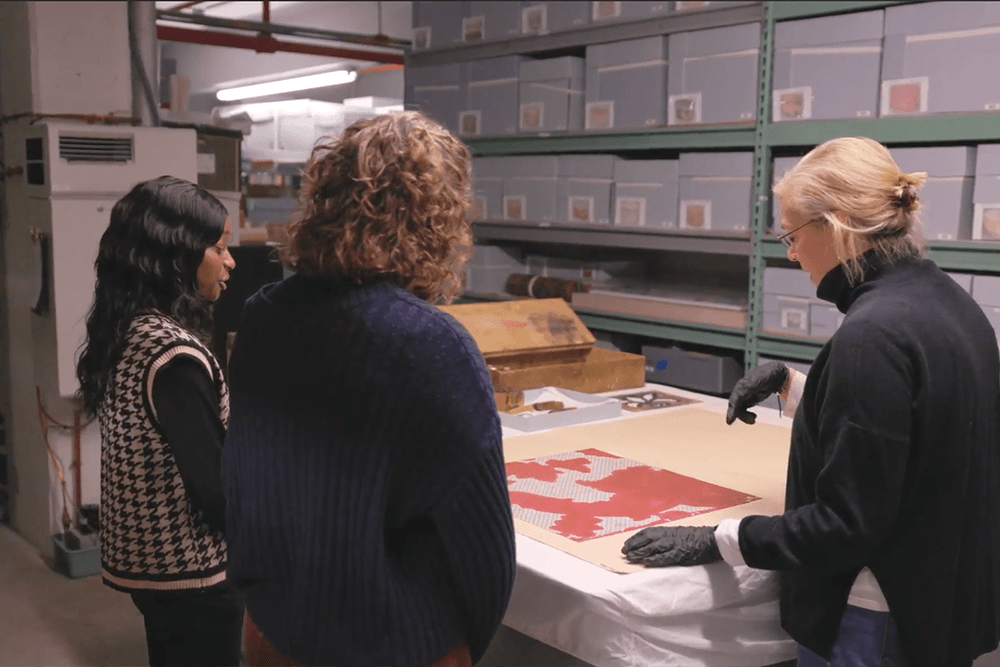
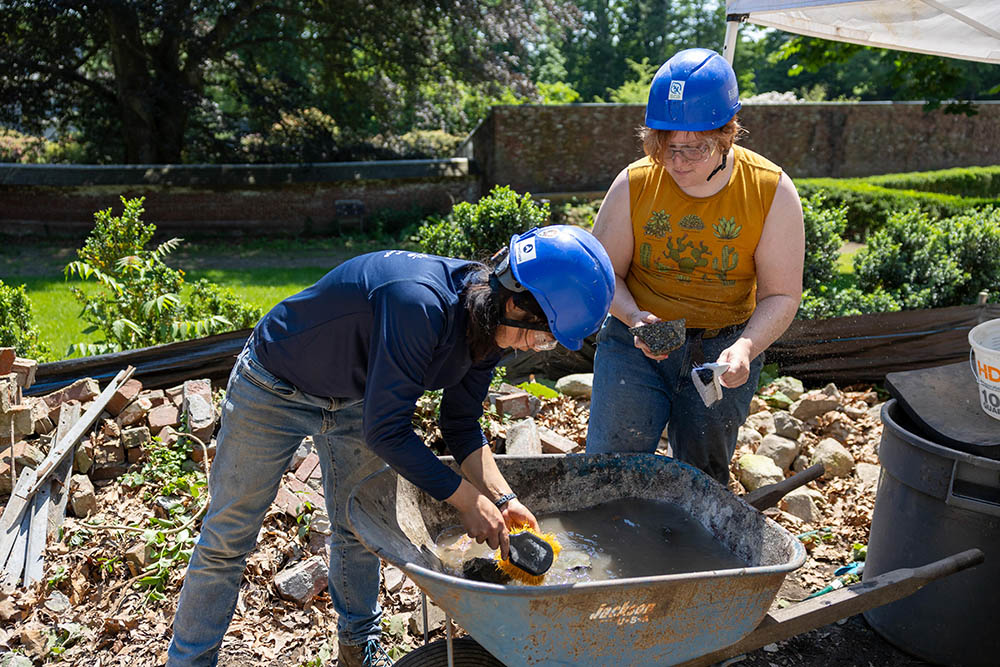
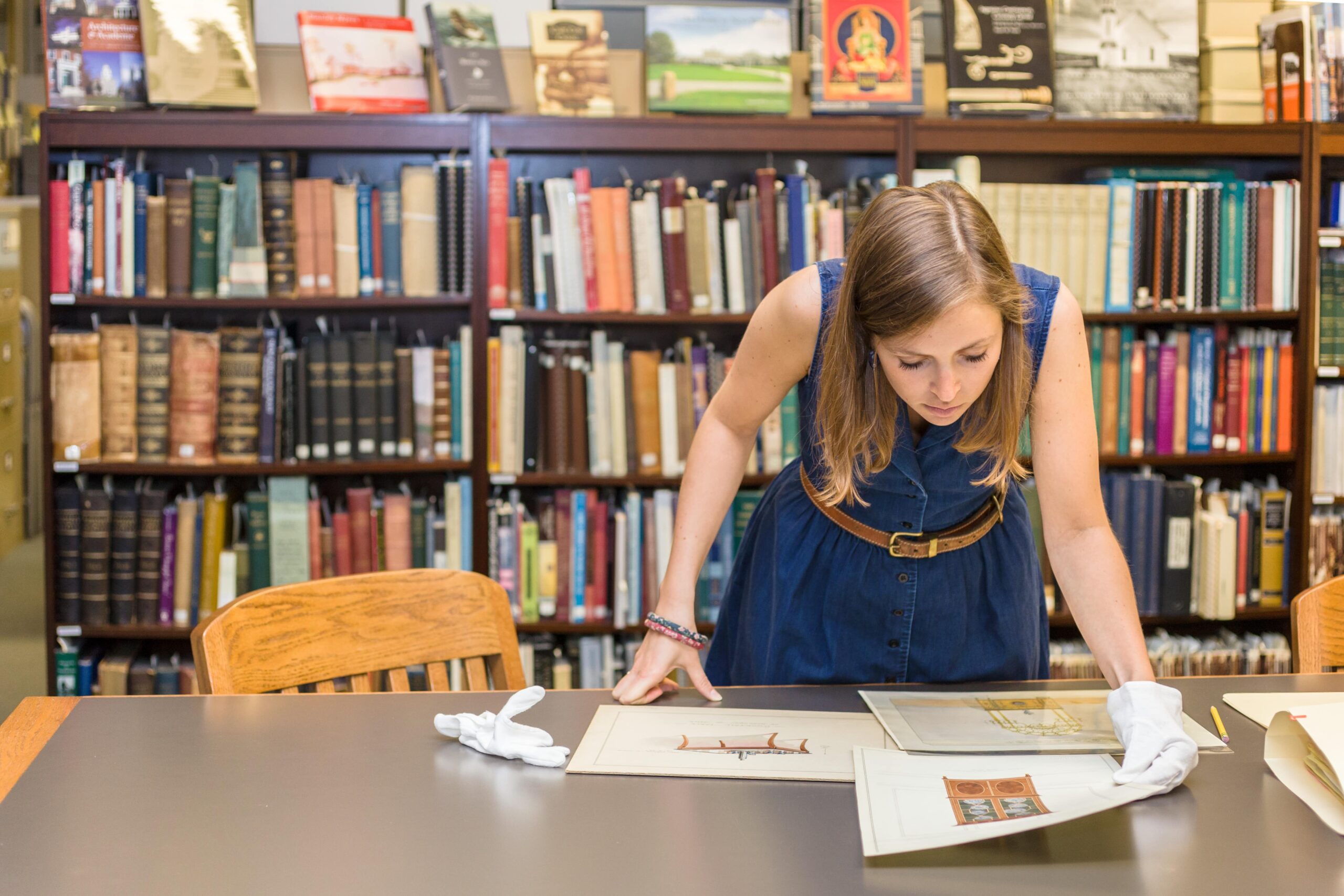
Paid internships are available year-round, with openings each fall, spring, and summer. The number and type of internships vary based on current projects. We offer three levels of internships:
 |  |  |
Historic New England’s Internship Program is made possible in part by the Institute of Museum and Library Services
Grant Number 21MP-256481-OMS-24
Dec 15, 2021
In September 2021, Historic New England expanded its research endeavors by launching three new positions for New England historians who hold master’s degrees or...
Feb 27, 2023
Research on historically marginalized people uncovers previously unknown stories at Historic New England sites Historic New England researchers with different areas of expertise, such...
Sep 28, 2023
Historic New England’s Study Center welcomed two community liaisons, one new and one returning fellow to continue the work done on the Recovering New...
Sep 12, 2024
This fall, Historic New England is delighted to welcome several researchers who will work on major institutional initiatives, including Recovering New England’s Voices (RNEV),...
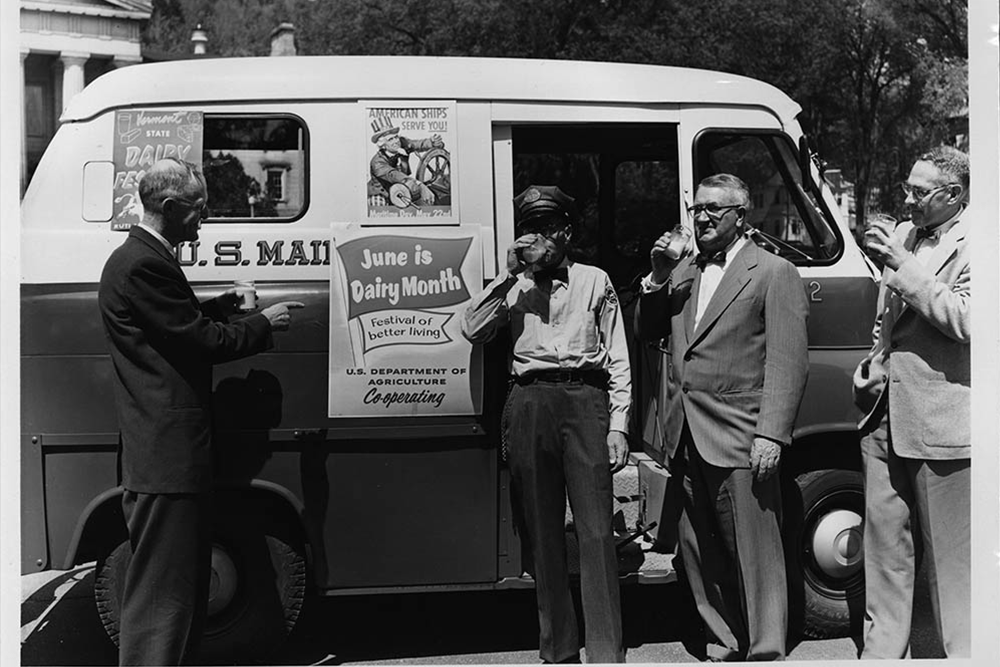
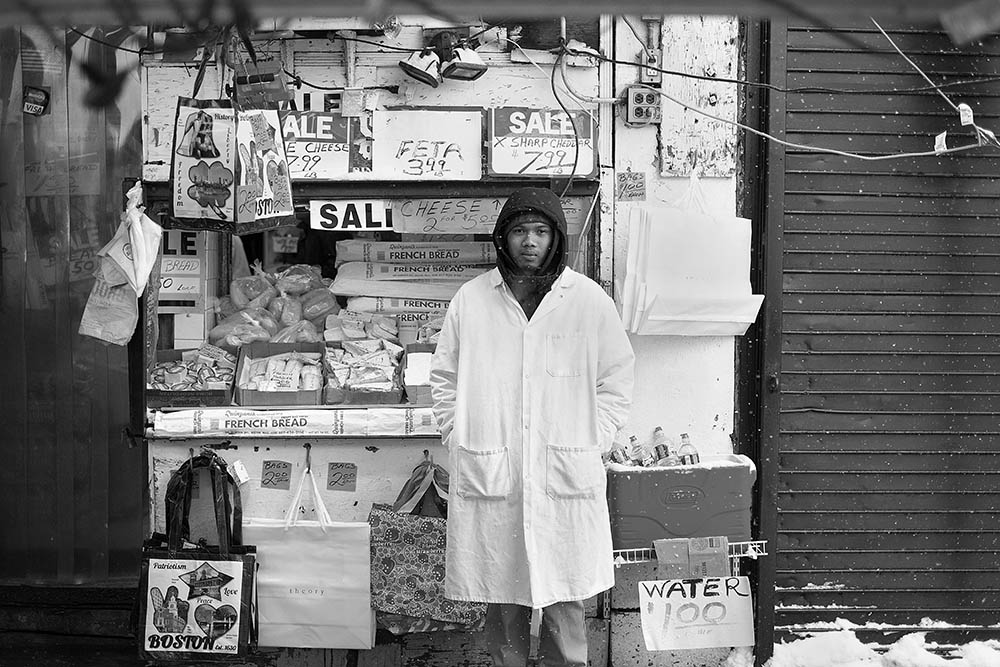
Historic New England’s Everyone’s History series began as part of our centennial celebration in 2010. That year, we launched 100 Years, 100 Communities to share diverse stories of life in New England from the twentieth century and beyond. Our goal was to partner with communities and capture history as it unfolded, preserving it for future generations.
By 2012, we had successfully reached this milestone, and 100 Years, 100 Communities evolved into Everyone’s History. Our collaborations resulted in award-winning documentary films, exhibitions, books, and public programs.
 |  |
For questions, contact Study Center Manager Dr. Alissa Butler at abutler@historicnewengland.org
Sign up to our newsletter for our latest news and events