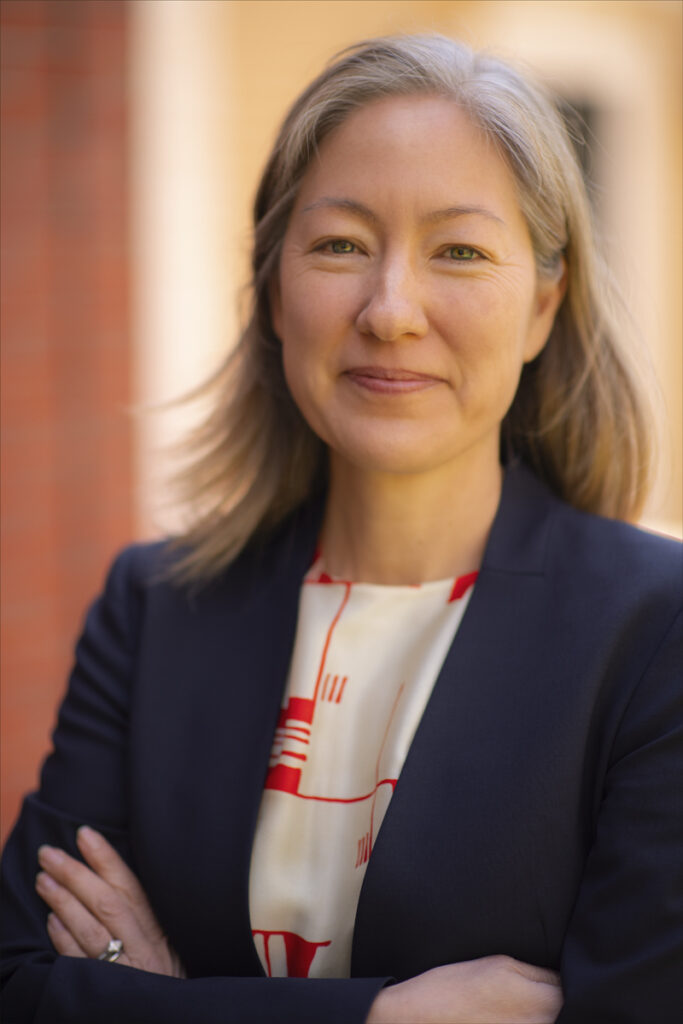
Marisa: This was not my intention when I started at PPS—it grew out of three insights that emerged pretty quickly in the first couple of months, though. In the first week, I asked staff what people found valuable about PPS and their response surprised me: They said that in a recent questionnaire, members said they regarded PPS as a trusted news source. Over the next month, the second key realization I had was that it would be very difficult to do advocacy work in a city as complex as Providence without a strong local news ecosystem. At that point, I started to wonder if PPS should be reporting on the city as a way to fill this gap for others and at the same time to inform our own advocacy. The pace of writing (fast) is very different from the pace of preservation projects (slow), and this gives us a way of elevating community stories and initiatives, building new relationships across the city, and learning about issues across the city as they emerge—all of these things strengthen our organizational knowledge and our advocacy initiatives.
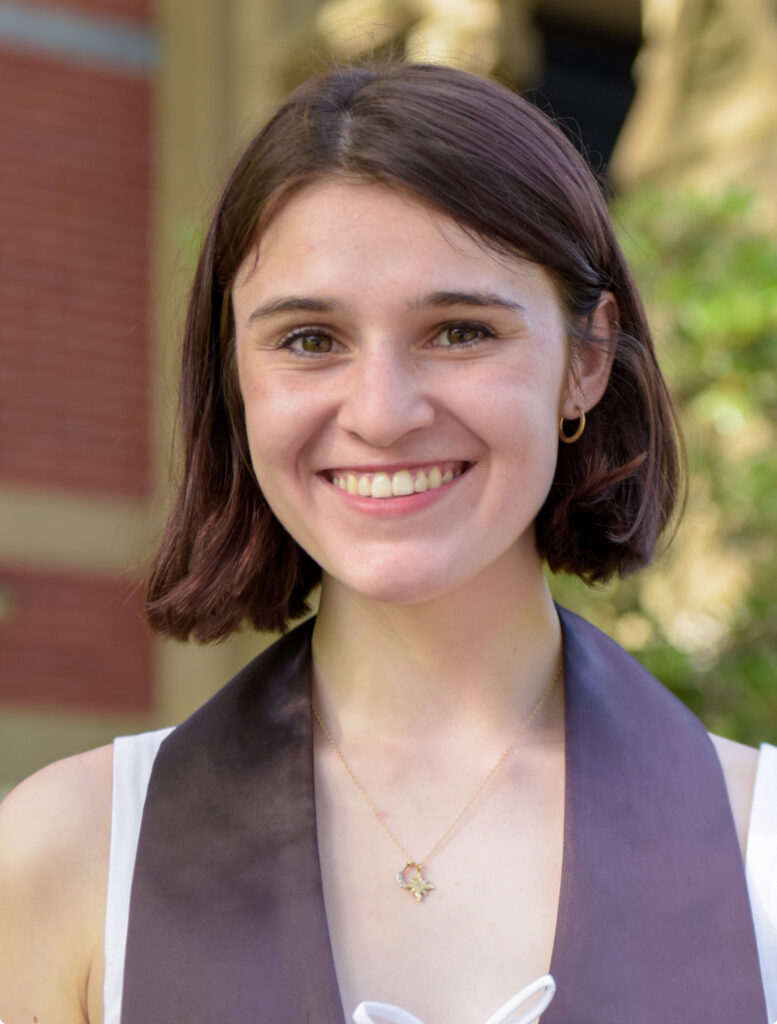
Marisa, Katy, and Keating: Journalism, preservation, and planning have a long-standing, intertwined relationship, going back to Jane Jacob’s advocacy in Greenwich Village in the 1950s and 1960s amid urban renewal and mass displacement in New York City. Our reporting serves multiple functions. First, it documents and tells stories about Providence, past and present. We strive to synthesize information and data to create better policies, improve quality of life in the city, and preserve what people love about Providence. We also work to break down complicated, bureaucratic processes in ways people can understand. By empowering Providence residents with knowledge, we hope they can become more involved in local decision-making. And finally, our reporting can highlight threatened and underrecognized places and stories, draw attention to problems while highlighting solutions, and also hold power to account as we report on the city government, developers, and others who may not be used to sustained scrutiny due to the decline in local news over the last 10+ years.
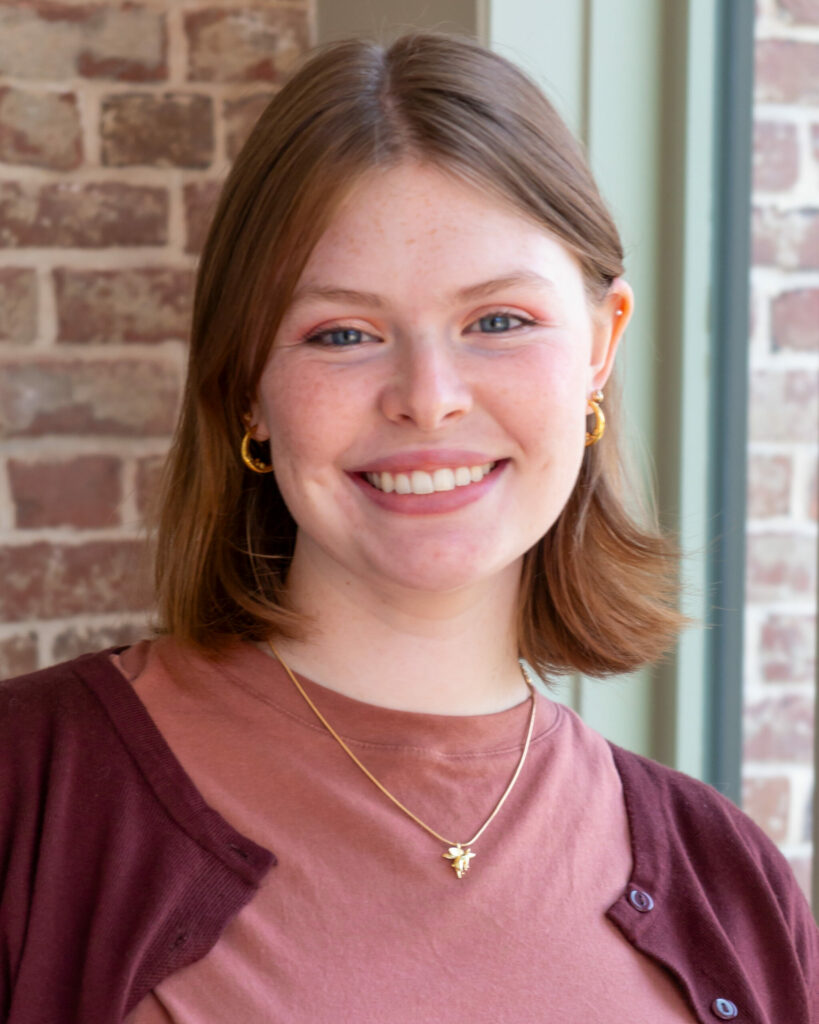
Katy: Our headline nomination for Providence’s Most Endangered Places in 2025 wasn’t a building—it was a cluster of neighborhoods, all around the vicinity of Providence College. We did extensive property research to create a map of land ownership around Providence College to highlight how investor-ownership has come to dominate the area. In the months following, city council passed a limit on tax lien purchases and will likely ban the use of rent-setting algorithms in an effort to preserve local homeownership throughout the city.
Keating: I really love seeing the city through other people’s eyes—for that reason, our story on Providence artist Bert Crenca’s Divine Providence collection is one of my favorites that we’ve done. His frank depictions of alleyways and front lawns are a far different perspective of the city than we’re used to seeing. His compositions, which derive from the pedestrian perspective, turn conventional architectural photography on its head and carve out a unique place in the historical canon. Crenca’s Providence is not always grand or imposing; instead, it’s home. I think Divine Providence serves as a reminder to me that alternative forms of archival work can be some of the most valuable. Life in the city today instead unfolds by storefronts, on porches, and in the parks around us.
Marisa, Katy, and Keating: We’ve been grateful to share our work with other news outlets in Providence, including The Providence Eye, another new local outlet, and ecoRI, a sustainability-driven online publication. Our partnership with ecoRI especially highlights the exciting relationship between preservation and environmental issues.
Marisa Angell Brown: People tell me all the time how much they love Katy and Keating’s reporting and that the Providence Post has become a weekly reading ritual that they set aside time for. I think they appreciate the mash-up of reported pieces on specific development projects and neighborhoods alongside the broader articles on historic places and people. We have about 5,300 subscribers and an unusually high open rate of about 55% – I think the open rate speaks to readers’ interest.
Marisa, Katy, and Keating: In some ways the Providence Post is an evolution of work that has been part of the organization from the beginning—PPS published a (paper) newsletter as far back as 1958! Our work now is more comprehensive, inclusive, and investigative.
Preservation by its nature can be responsive work—preservationists respond to specific buildings or sites that are under threat by providing documentation, building coalitions or crafting advocacy plans to save them. We know that a lot of our time will always go to trying to put out those individual fires, but we also know that we need to reserve time to do longer-term work that is systemic and that addresses root causes. In 2025, we are launching a multi-year research and advocacy project on Providence’s sacred spaces. The first phase of this project brings together archival and lived-experience research on these important sites, synthesizing architectural and social history and addressing histories of activism, immigration and labor.
Since launching, we’ve published a few op-eds and guest essays from outside contributors, and people have really enjoyed them. We’re working to make the process of submitting to our site more streamlined and will be adding policies to our News page soon. Please send pitches and news tips to info@ppsri.org!
Readers can follow reporting and advocacy from Providence Preservation Society online, on Instagram, and by subscribing to the Providence Post.
This post is part of our Around New England series, which explores how New Englanders are building more sustainable, inclusive, and accessible communities.
Sign up to our newsletter for our latest news and events