
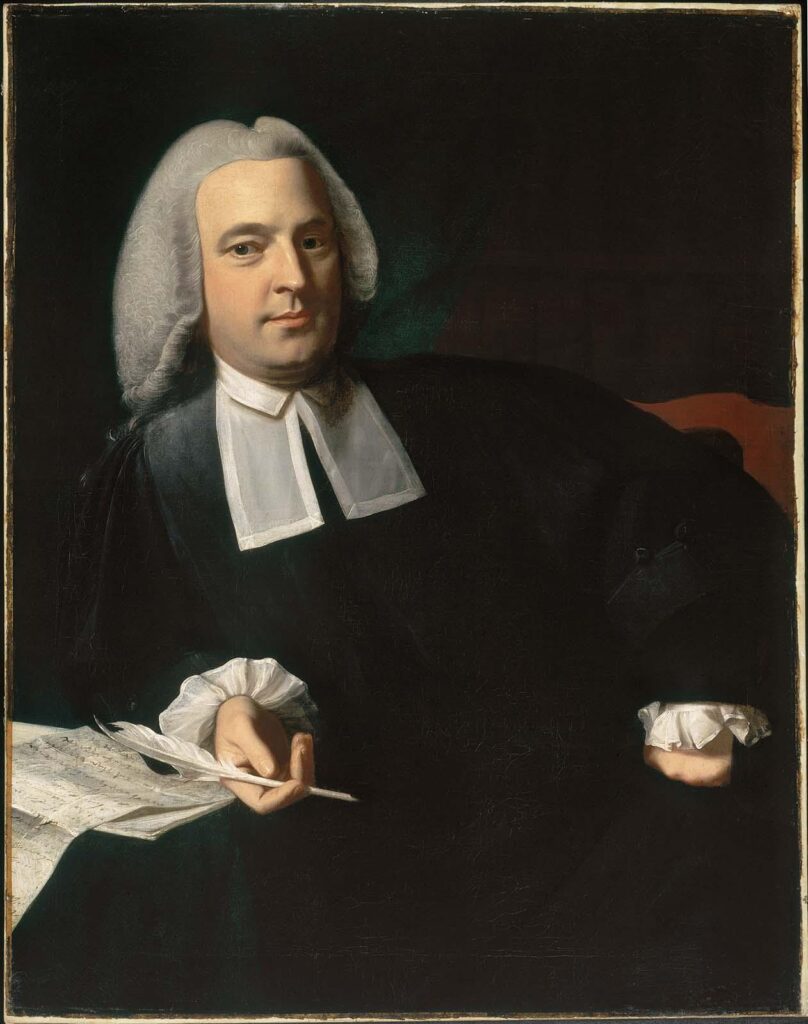
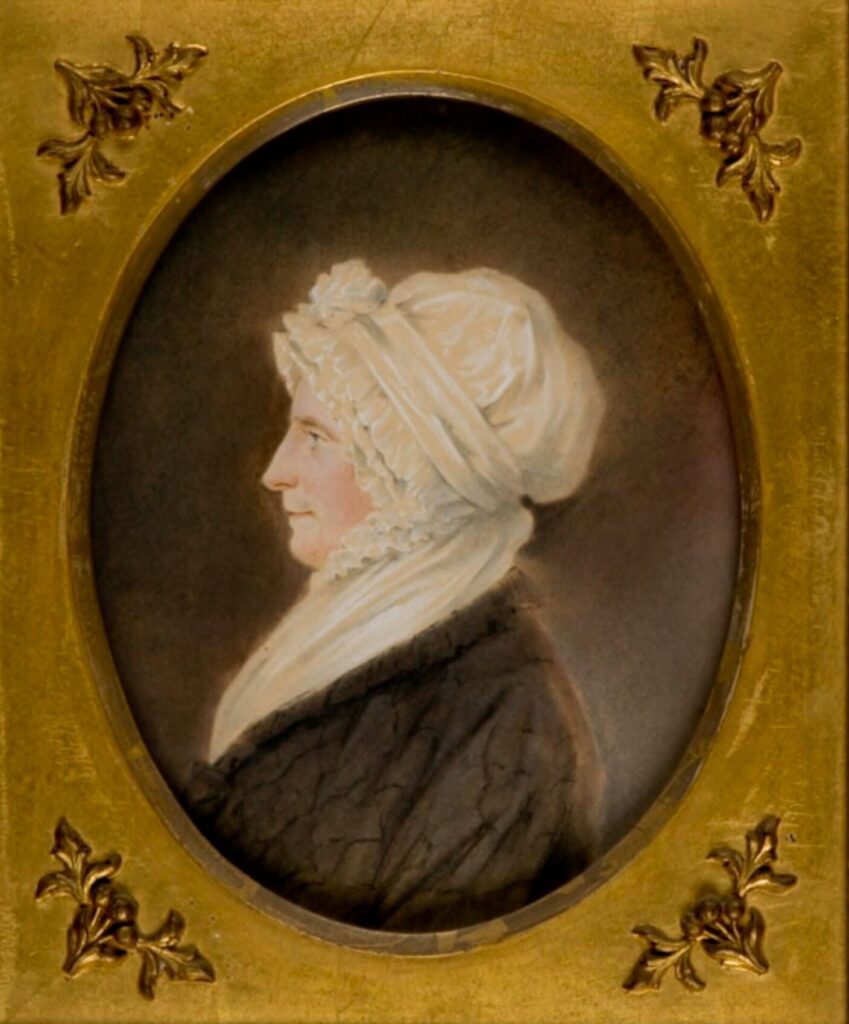
In spring 1775, Samuel Quincy prepared to set sail for England. A son of the eminent Boston merchant Colonel Josiah Quincy, Samuel was a Harvard graduate, an accomplished lawyer, and a friend of John Adams. Wealthy and renowned, the Quincy family was known throughout the Boston area for their involvement in politics and ardent support of the revolutionary cause. Josiah Quincy’s retirement estate in what is now Quincy, Massachusetts, served as a sort of familial headquarters for the Quincy family and their social network.
Within the family and their circle, however, Samuel was an outlier. Despite the patriotic stances held by his father, siblings, and friends, Samuel remained a staunch Loyalist. This fundamental difference of opinion was a source of great distress for the Quincys, who had already faced their share of family tragedy, including the death of Josiah Jr. just weeks earlier. Samuel was Josiah Quincy’s only surviving son, and as such, his decision to leave the colonies, and his family, was all the more painful. On May 11, 1775, Samuel’s younger sister, Hannah, wrote her brother a letter in a final (and failed) effort to change his mind.
Hannah opened her missive by acknowledging the sadness of their circumstances, noting that the Quincy family and their community had undergone “such a series of melancholy events,” from which they were still recovering. She invoked the memories of their deceased brothers, Edmund and Josiah, Jr., both of whom died at sea, and expressed fear that Samuel should suffer the same fate. She pushed boldly on, praising her dead brothers’ honor and commitment to the fight for American independence. In no uncertain terms, Hannah reprimanded Samuel for his actions and reaffirmed her political perspective. She told her brother she considered his retreat from Boston a betrayal to both his family and his country, revealing her own familial loyalty and patriotism. “Let it not be told in America, and let it not be published in Great Britain, that a brother of such brothers fled from his Country, the wife of his youth, the children of his affection, and from his aged sire, already bowed down with the loss of two sons,” she wrote emphatically, “and by that of many more dear, though not as near connexions, to secure himself from the reproaches of his injured countrymen.”
The bluntness and passion of Hannah’s words were indicative of her character. Described by her peers as lively and incredibly intelligent, Hannah was a woman of deep conviction and great energy. In 1775, she had been recently widowed and was living with her father at Quincy House. There, she was acutely aware of revolutionary occurrences and maintained a vested interest in the success of the rebels’ cause. The house’s commanding view of Quincy Bay made it a strategic lookout and a social center throughout the war. Along with her father, Hannah hosted revolutionary figures such as her lifelong friend Abigail Adams, John Adams, and Benjamin Franklin.
Eliza Susan Quincy, Hannah’s grandniece and a diligent family historian, celebrated her great aunt for the “strength of her understanding” and the “sensibility of her heart.” In a biographical account, Eliza referenced the significance of Hannah’s letter to Samuel, citing it as an instance of Hannah’s involvement in revolutionary happenings as well as her adherence to her own principles. Hannah represents a much larger trend of women’s involvement in the American Revolution, using conversation and intentional action to incite change within their own social spheres. Samuel’s wife (also named Hannah) also took intentional action by refusing to leave with her husband, staying in Massachusetts with their children and supporting the fight for independence.
Hannah concluded her letter by encouraging Samuel to “let reason take the helm” and reconsider his departure. But before signing her name, she left him with an impassioned observation, stating: “I behold you leaving your Country a land flowing with milk and honey. . . for a country where evil works are committed with impunity. Can you expect there to walk uprightly? Can you take fire into your bosom, and not be burned?” It is with these words that Hannah left her brother, firmly placing her love and concern for him second to that of her country.
Written by Isabella Russo, Museum Operations Intern. Issie recently graduated from Villanova University with a BA in Art/Art History and Gender and Women’s Studies.
Learn more about Hannah and the other exceptional Quincy women on the Revolutionary Quincy Women tour.
Sign up to our newsletter for our latest news and events