
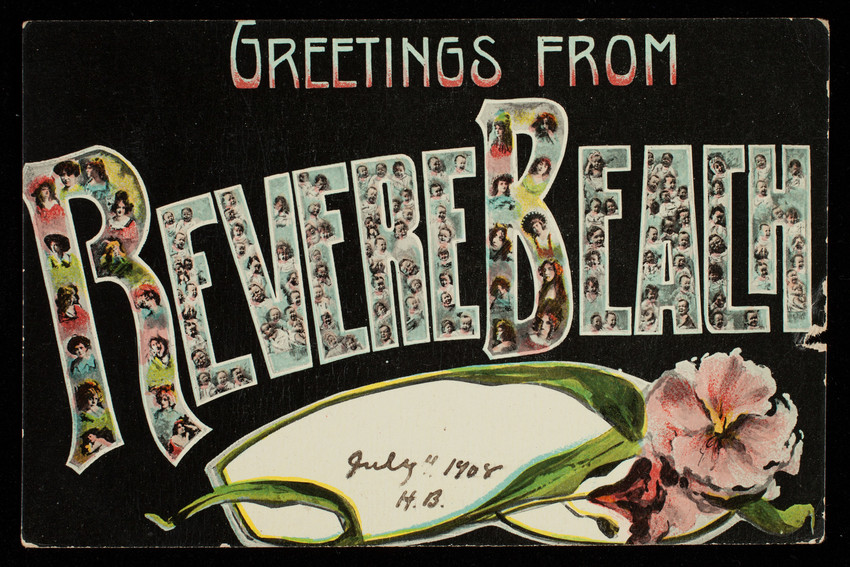
Revere Beach is synonymous with amusements, dance halls, promenading along the oceanfront, and enjoying a day on the shore just north of Boston, Massachusetts. It flourished as a public beach, recreation area, gathering place, and amusement park from the 1840s through the 1970s, when the last rides were demolished for development. Perhaps best put by Lee, who visited in 1909, “This place is near Lynn it is where the fellows and girls go every Sunday.”
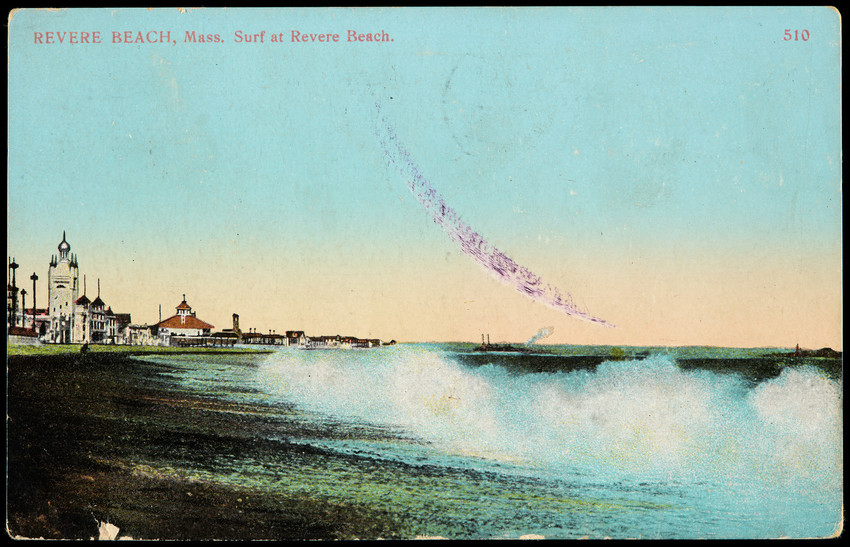
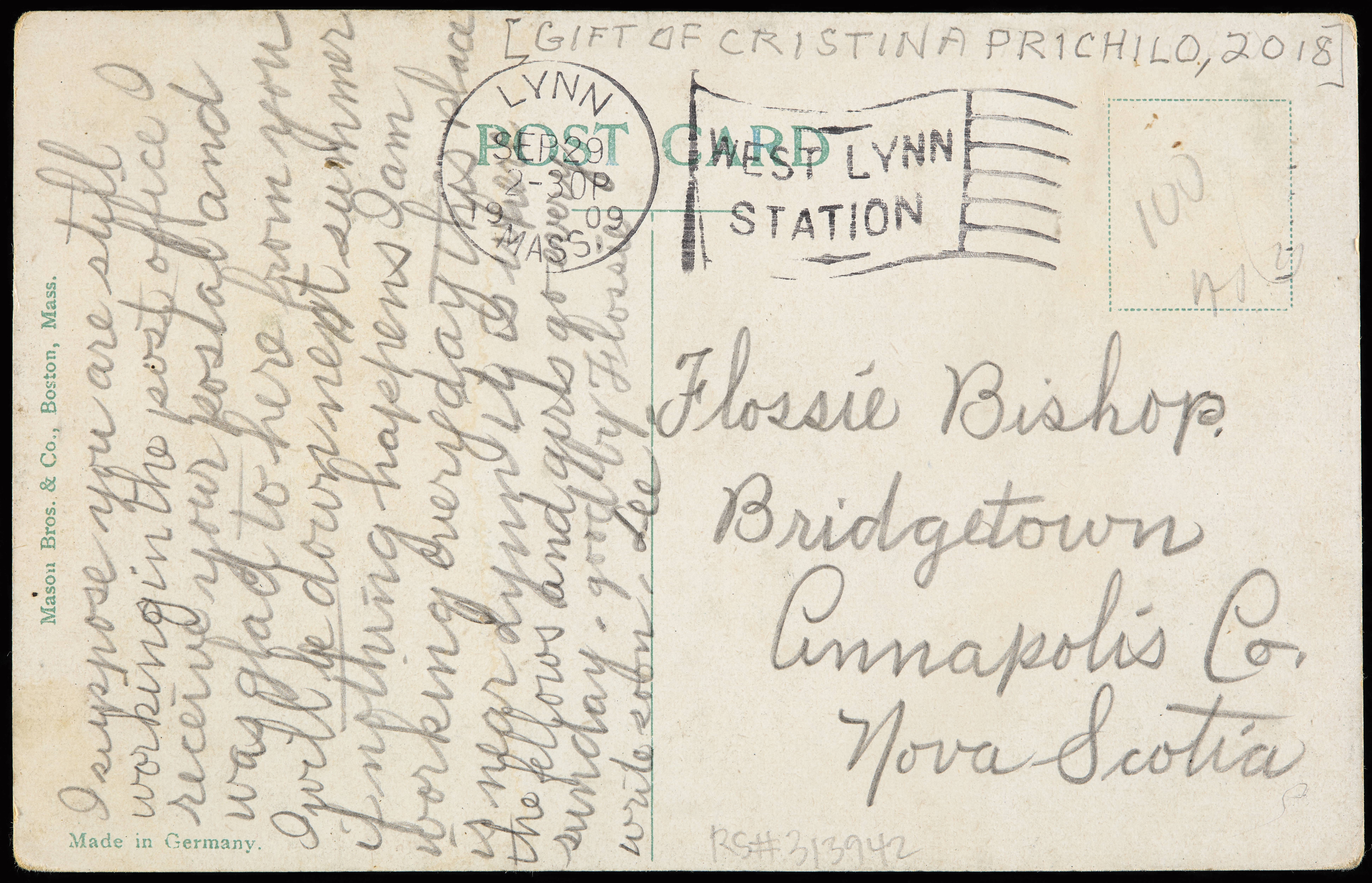
Revere’s reputation as a summer destination began in 1839 when the Eastern Railroad offered service to what was then known as North Chelsea. The Eastern Railroad brought people from Boston and the North Shore to vacation at Revere Beach’s Point of Pines area, where early hotels—including the Ocean House (Hotel Goodwood) and later the Pines Hotel—welcomed visitors. Another early attraction was the Ocean Pier, which extended 2,000 feet into the ocean and received ferries docking to visit its skating rink, ballroom, and restaurant.
When it opened in 1875, the Boston, Revere Beach, & Lynn (BRB&L) narrow gauge railroad widened the beach’s accessibility, particularly among the growing working class. The BRB&L offered direct service to the beach from the industrial centers of Boston and Lynn, with extended ferry service from East Boston. The railroad provided cheap transit, with a one-way fare priced at five cents. A shorter workweek and a rise in discretionary income made leisure spots such as Revere Beach more accessible and affordable for more people than ever before. Promoting the rail line, its owner Alpheus P. Blake said, “The road will be a godsend to the sweltering thousands of working men, women, and children of the city, who might thus get a sniff of sea air and catch a glimpse of green fields and woods.”
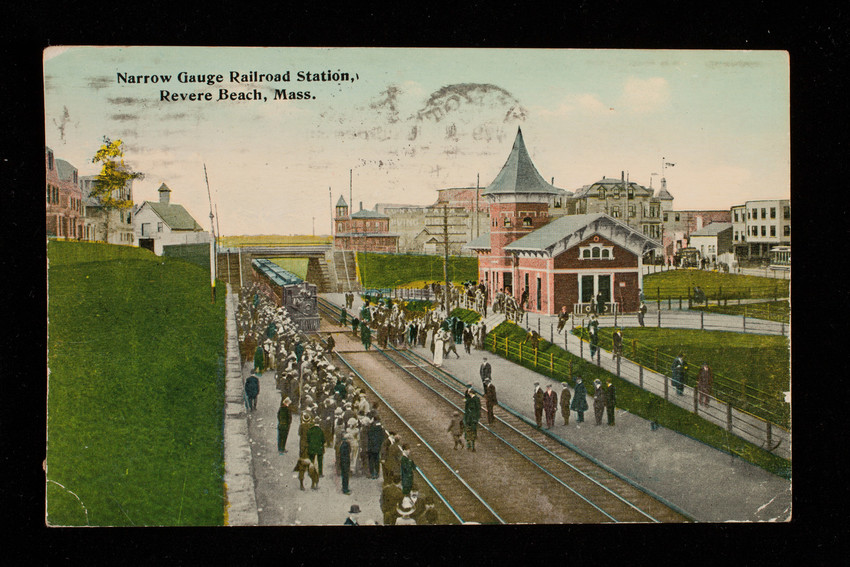
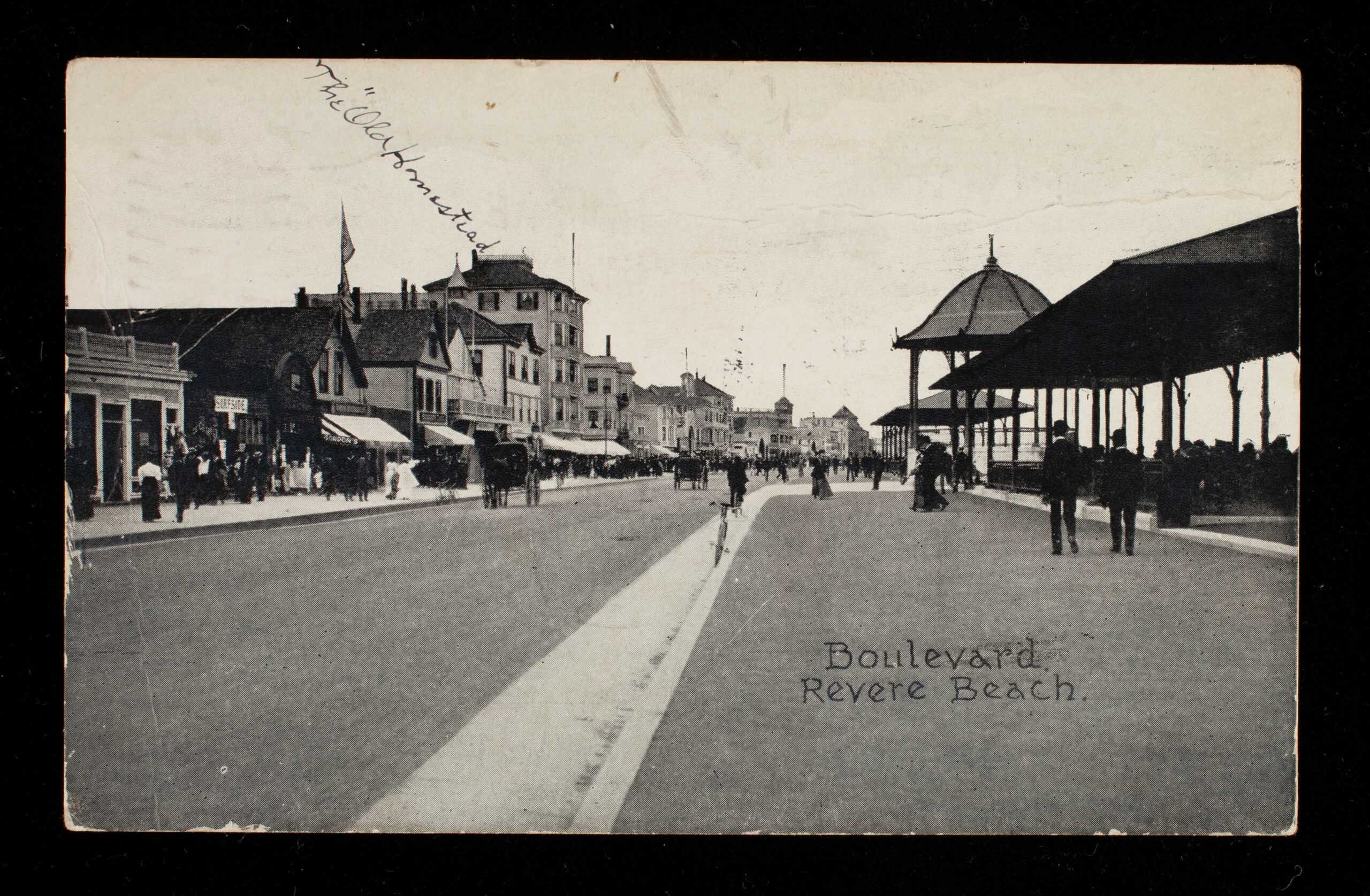
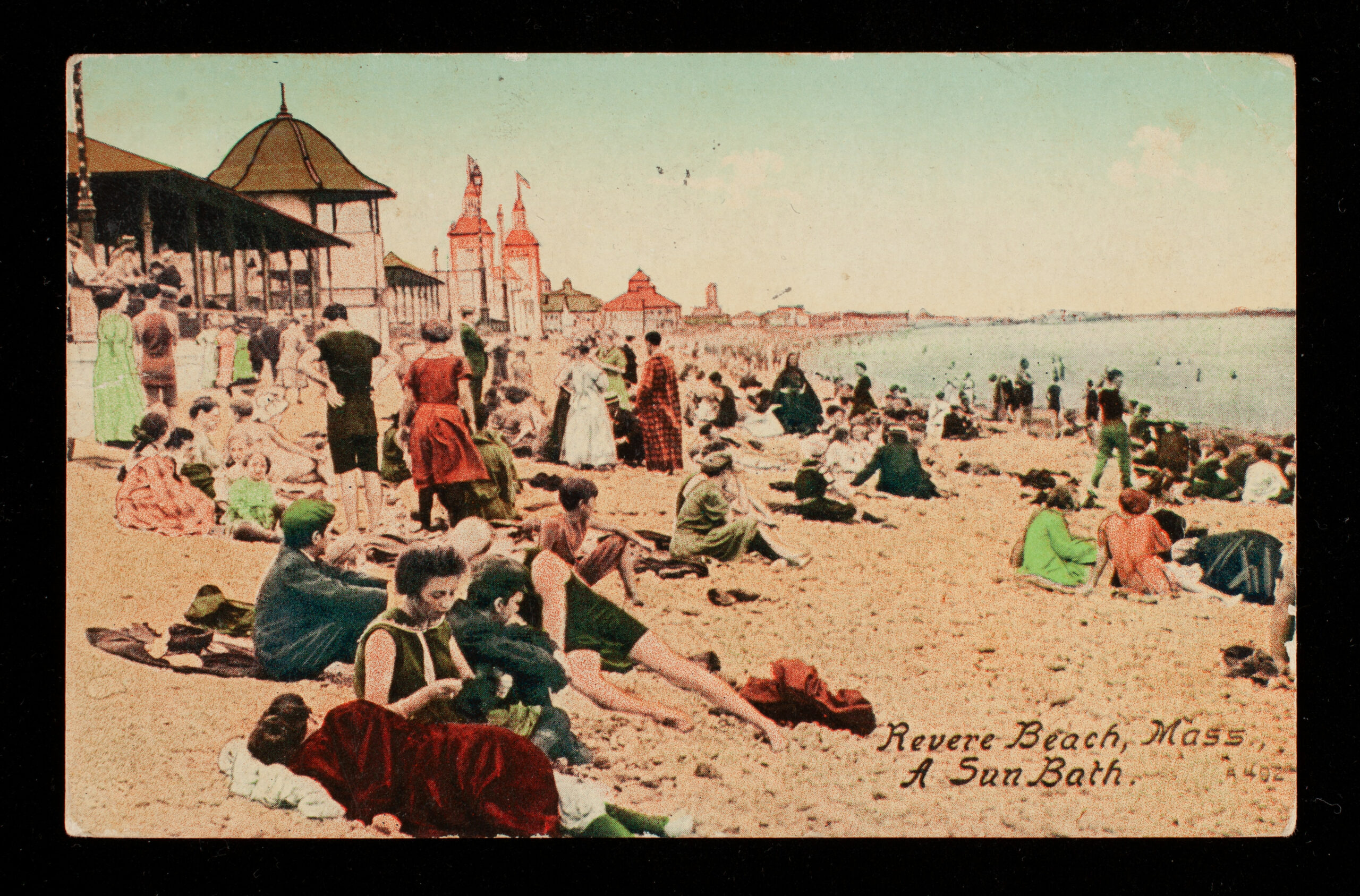
As the beach became increasingly popular, unmonitored development marred its natural beauty and brought it to the attention of the newly formed Metropolitan Park System (MPS) in 1893. The MPS was the first regional organization of public open space in the United States. It acquired a three-mile stretch of land in 1895 and redesigned it as Revere Beach Reservation for the benefit of the metropolitan district. Revere Beach Reservation remains a significant landmark in terms of history, design, and planning; it was placed on the National Register of Historic Places in 1998 and designated a National Historic Landmark in 2003.
Landscape architect Charles Eliot, a partner in Frederick Law Olmsted’s firm, was charged with designing the reservation for public use. His design included a promenade, pavilions, bandstand, a bathhouse, and roadways organized to protect the space from encroaching development. Private commercial development of hotels, restaurants, attractions, apartment houses, and summer cottages continue to grow well into the twentieth century adjacent to Revere Beach Reservation. The burgeoning number of amusements along the boulevard helped transform the area from seaside destination into an amusement park.
In 1906, Alpheus P. Blake opened Wonderland—a full-scale amusement park including rides, arcades, dancehalls, exhibits, and shows. Due to an extended budget and short summer season, however, Wonderland closed by 1911. Other amusements soon developed along the boulevard to take its place. Billed as a “Mecca for the Masses,” Revere Beach catered to a working-class clientele largely comprised of immigrants and first-generation Americans who chose the beach for their respite and enjoyment.
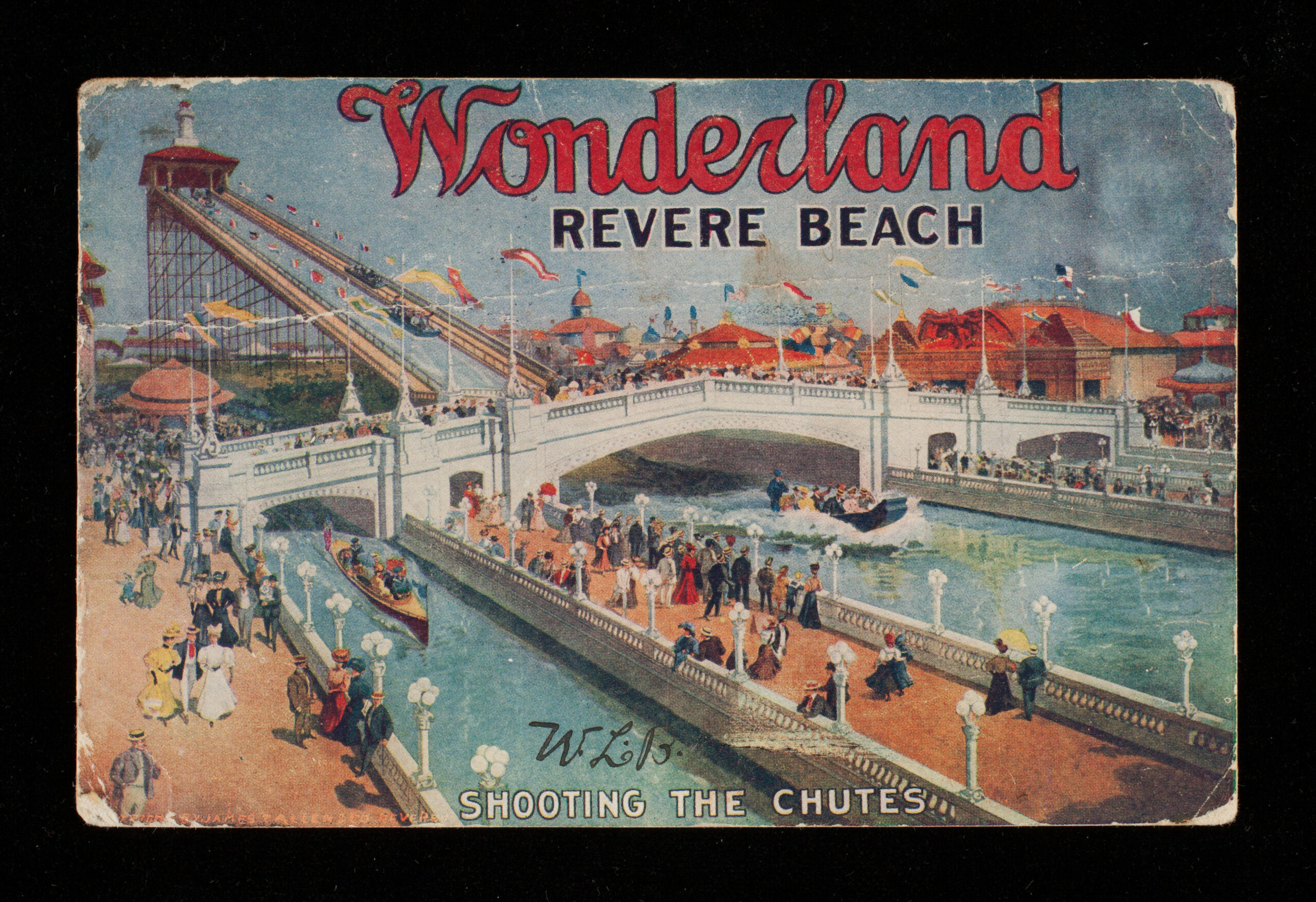
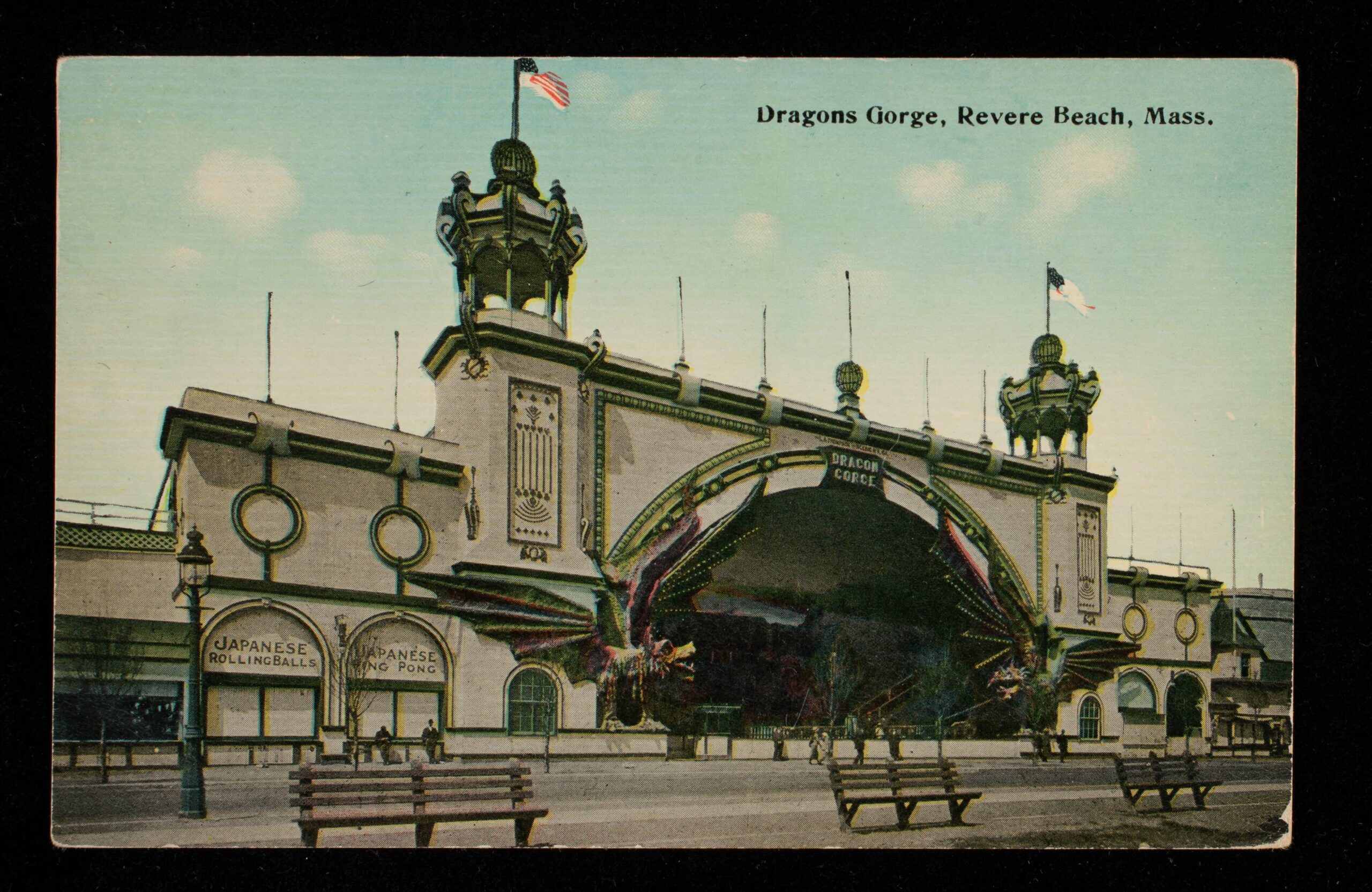
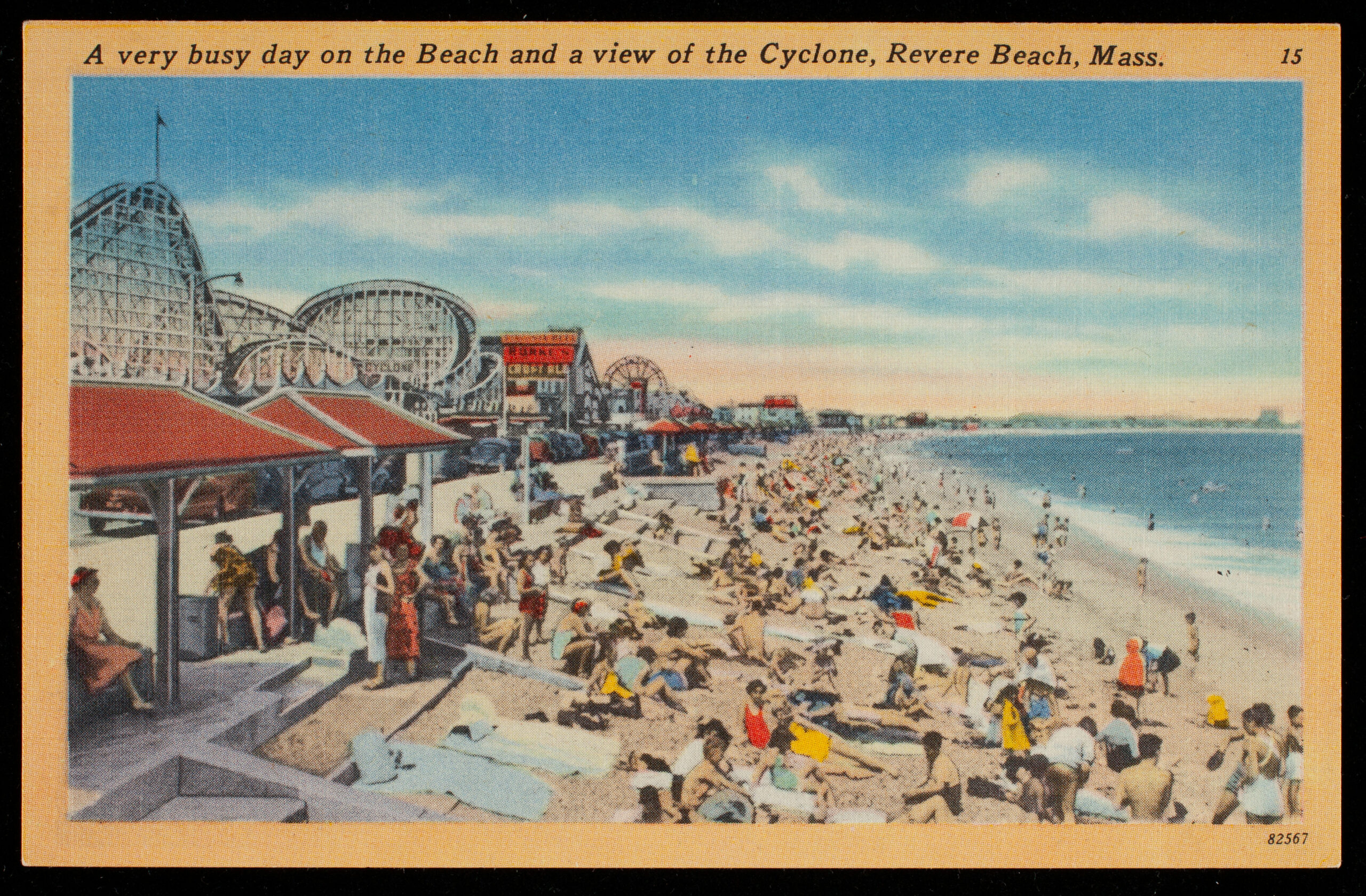
Revere Beach’s decline as a summer destination was a slow, drawn-out process over several decades. The ubiquity of automobiles changed the way people visited the beach and the BRB&L railroad closed in 1940. While the beach’s popularity was still evident in the mid-twentieth century, changing tastes in how people spent their leisure time contributed to its demise by the 1970s, as did continued pressure to develop the oceanfront.
Vestiges of the Revere Beach’s history still exist today. Materials from Historic New England’s Library and Archives illustrate the beach’s cultural importance to the region and its role in the evolution of working-class leisure in the late nineteenth and twentieth centuries. See more images of Revere Beach and other New England summer destinations via Historic New England’s online collections access portal.
Interested in learning more about New England’s working-class history? Join our Servants Tour at the Eustis Estate, offered at 2 p.m. each day the estate is open.
Written by Cristina Prochilo, Archives Manager
Sign up to our newsletter for our latest news and events