
In England, the term Country House often refers to grand estates of the aristocracy and gentry (think Downton Abbey), but here in New England the country house can be a much smaller affair. A New England country house can certainly be an enormous mansion set among acres of landscaped grounds, but it might also be as modest as a Victorian cottage or a colonial-era farmhouse that became a secondary residence in a rural or suburban location. We often compare a family’s country house to their “town house”—their primary home located near an urban center. You might imagine that the town house is where these homeowners spent the majority of their year, but country houses were not just for summers—people used them year round. They had a heat source (fireplaces, stoves, or furnaces) and contained similar amenities to those found in town houses, including modern bathrooms, kitchens, and rooms for servants who often traveled with families between their homes.
Nearly a third of Historic New England’s museums were either purpose-built as country houses or later became one. Dating from the eighteenth to the twentieth centuries, these homes are now perfect destinations for your summer day trips, when the landscapes are in bloom and windows are open to capture a passing breeze. Close your eyes, breathe in the country air, and enjoy time away from the heat of the city, just as wealthy New Englanders have done for centuries.
Here are a few of our country house sites to put on your list for excursions this summer.
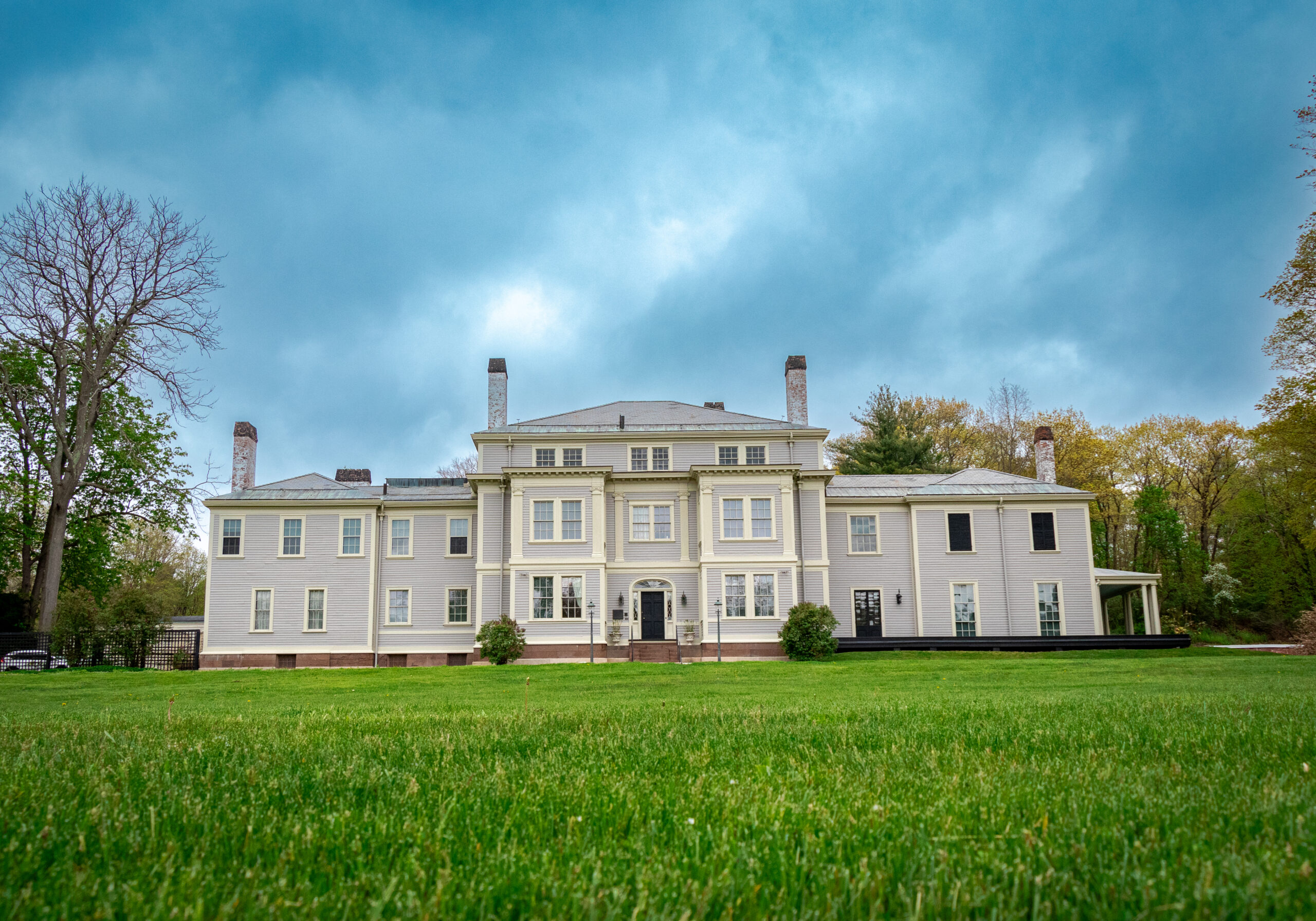
Named “The Vale” by the Lyman family, the 1793 mansion and pleasure grounds were used by generations of the family as a country retreat, located only ten miles from their Boston residence. Local tradition says that it was in the Lyman’s ballroom at The Vale that the waltz was introduced to Boston society. Set along a brook that the Lymans dammed to create ornamental ponds, the grounds still include a greenhouse complex, century-old specimen trees, and a 400-foot garden wall with espaliered peach trees, a summerhouse, and a boxwood-edged perennial garden.
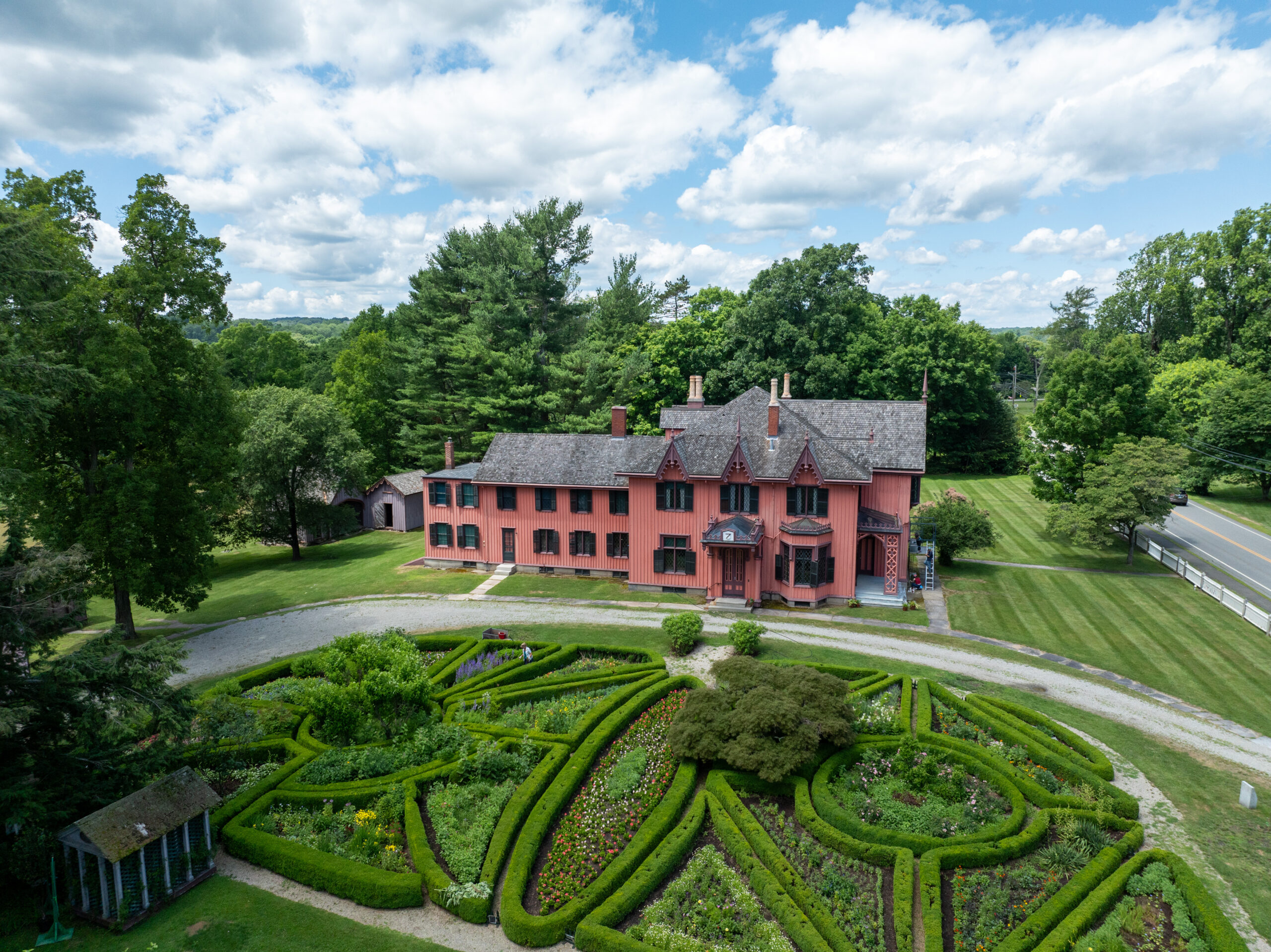
Henry and Lucy Bowen decided to build their country house in Henry’s hometown overlooking the town common. Even though the surrounding houses were traditional white Georgian or Federal-style houses, the Bowens built a bright pink house in the modern Gothic Revival style that certainly would have informed his neighbors that he had made a fortune in New York City and understood the newest fashion for county houses. The nineteenth-century parterre gardens are just as impressive today as they were when the Bowens were in residence.
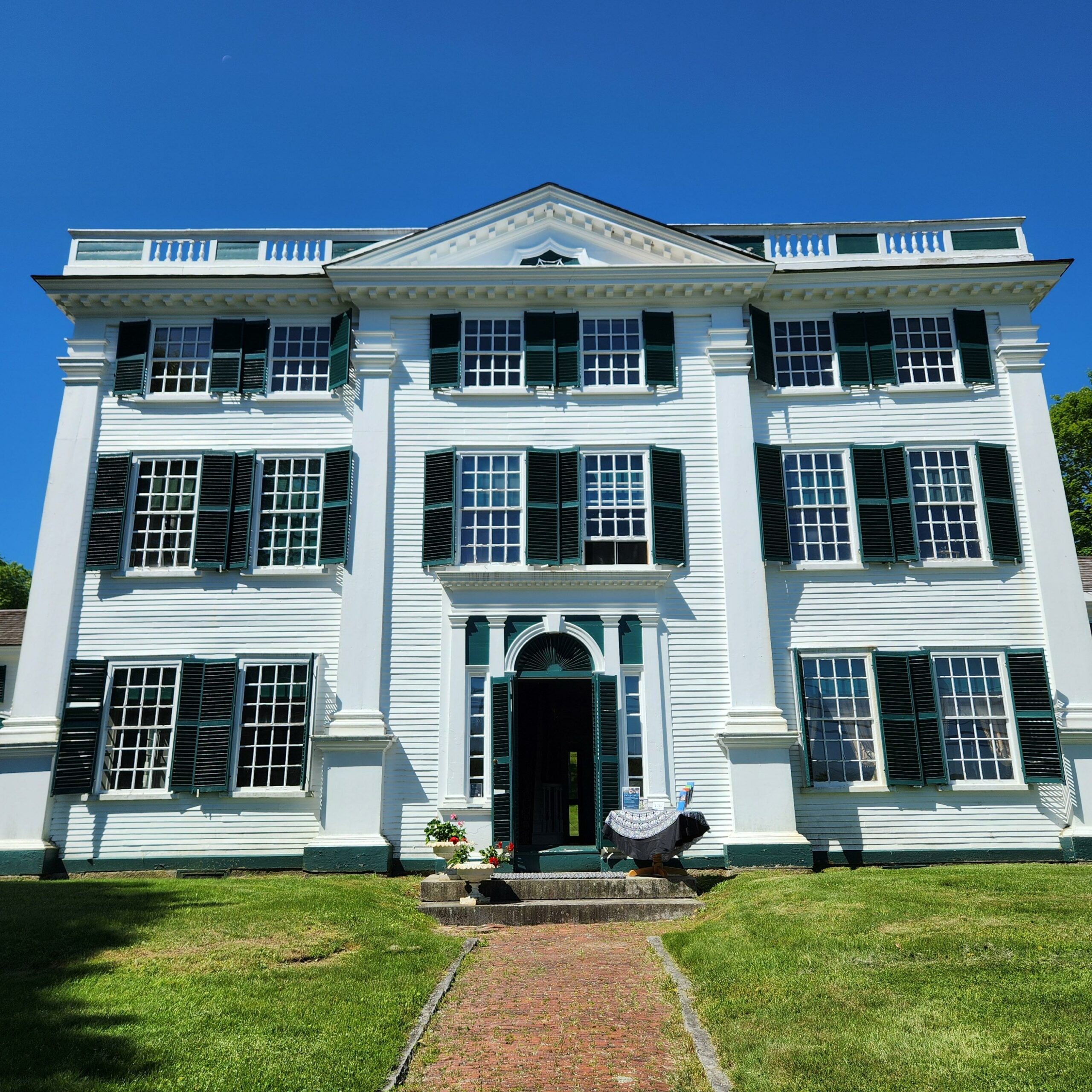
In what had been his grandparents and parents’ year-round home, George Robert and Elizabeth Barrett intended to create a grand country estate starting in 1887. They made several significant improvements to “Forest Hall” but they never finished their renovations. State-of-the-art bathrooms were never plumbed. Furniture and wallpaper that had been ordered and delivered remained in their original shipping crates, never to be installed.
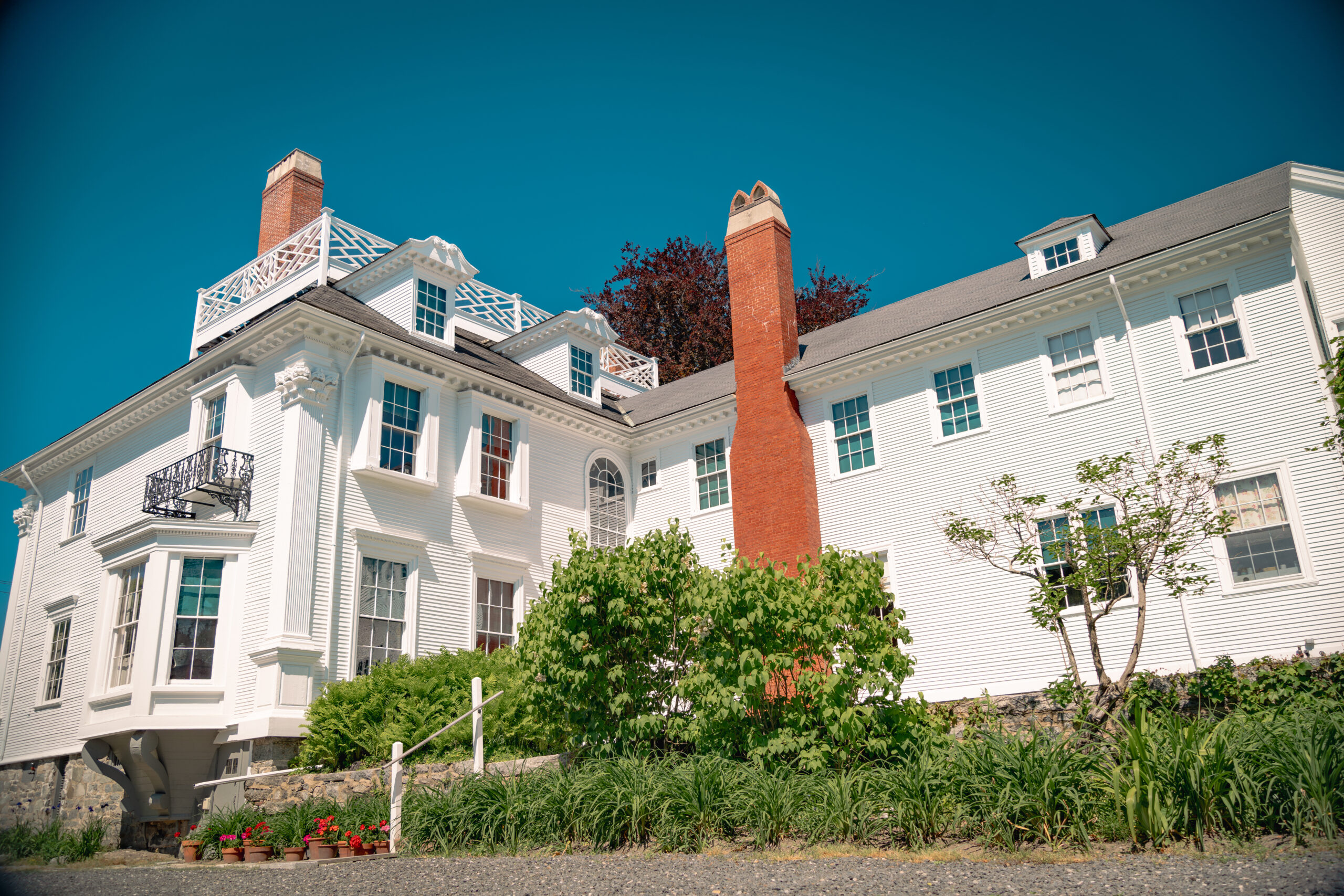
Elizabeth and Woodbury Langdon created a Colonial Revival masterpiece in what was the town house of their ancestor, John Langdon, a founding father of New Hampshire and signer of the US Constitution. Their goal was to restore the public rooms of the house to John Langdon’s era and to add the modern conveniences the New York couple required. They replaced the original service ell with a twenty-room addition to the house, designed by the architectural firm McKim, Mead, and White, and added an impressive dining room copied from the mansion of another Langdon ancestor.
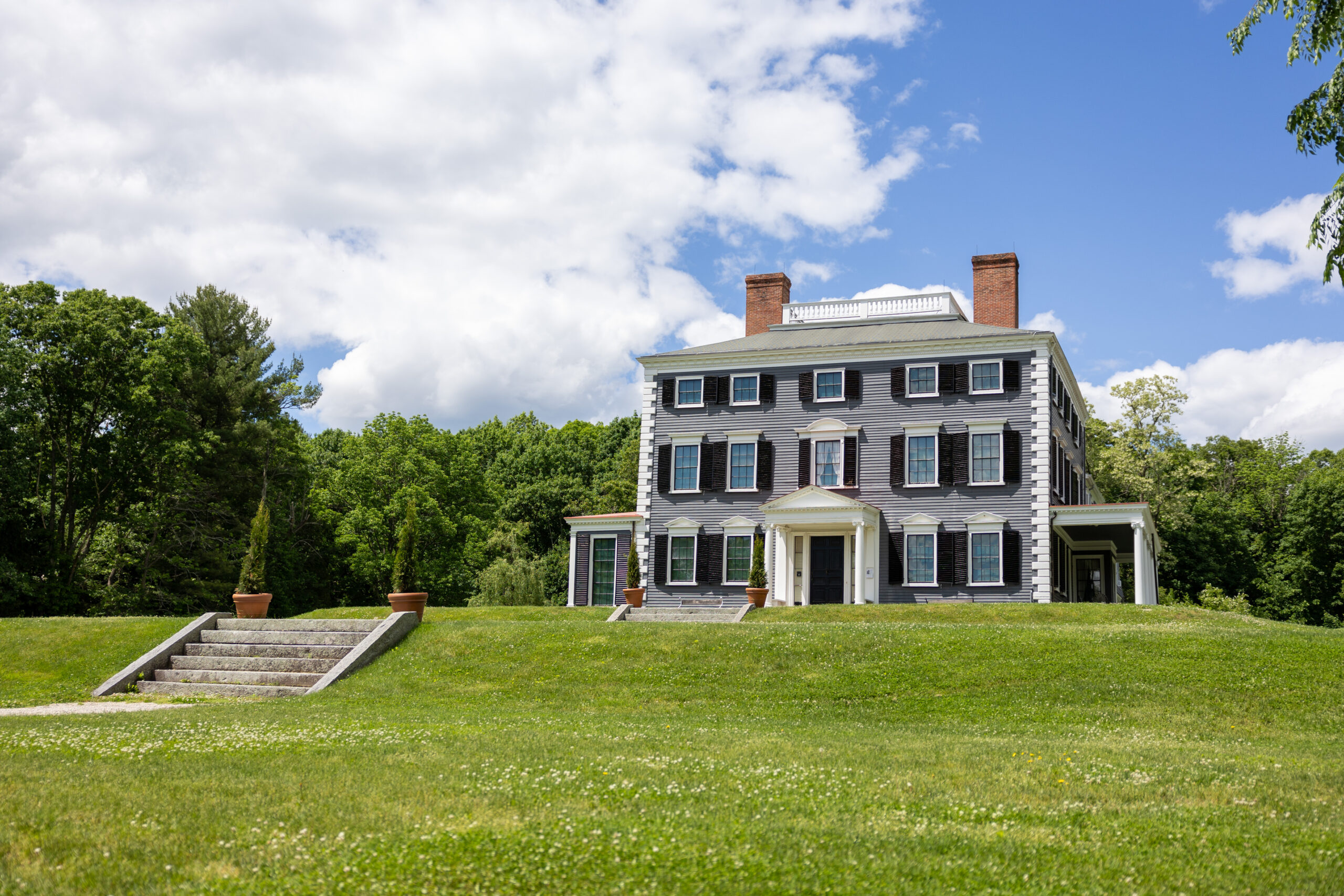
Sarah and Ogden Codman purchased his ancestral estate in 1862 to be their country house. The couple renamed it “The Grange” and redecorated the interiors according to Victorian fashion, with patterned carpets, wallpapers, and fabrics. They added plumbing and heating, and also made several architectural changes including the addition of a massive servants ell with a modern kitchen, dish pantry, laundry, and servants hall. The paneled morning room, which retains its ornate 1740s woodwork, was redecorated as a library, and the dining room became an Elizabethan-style hall. In 1952, the family sold their mansion in Boston’s Back Bay and consolidated all their art and furniture in the Lincoln house.
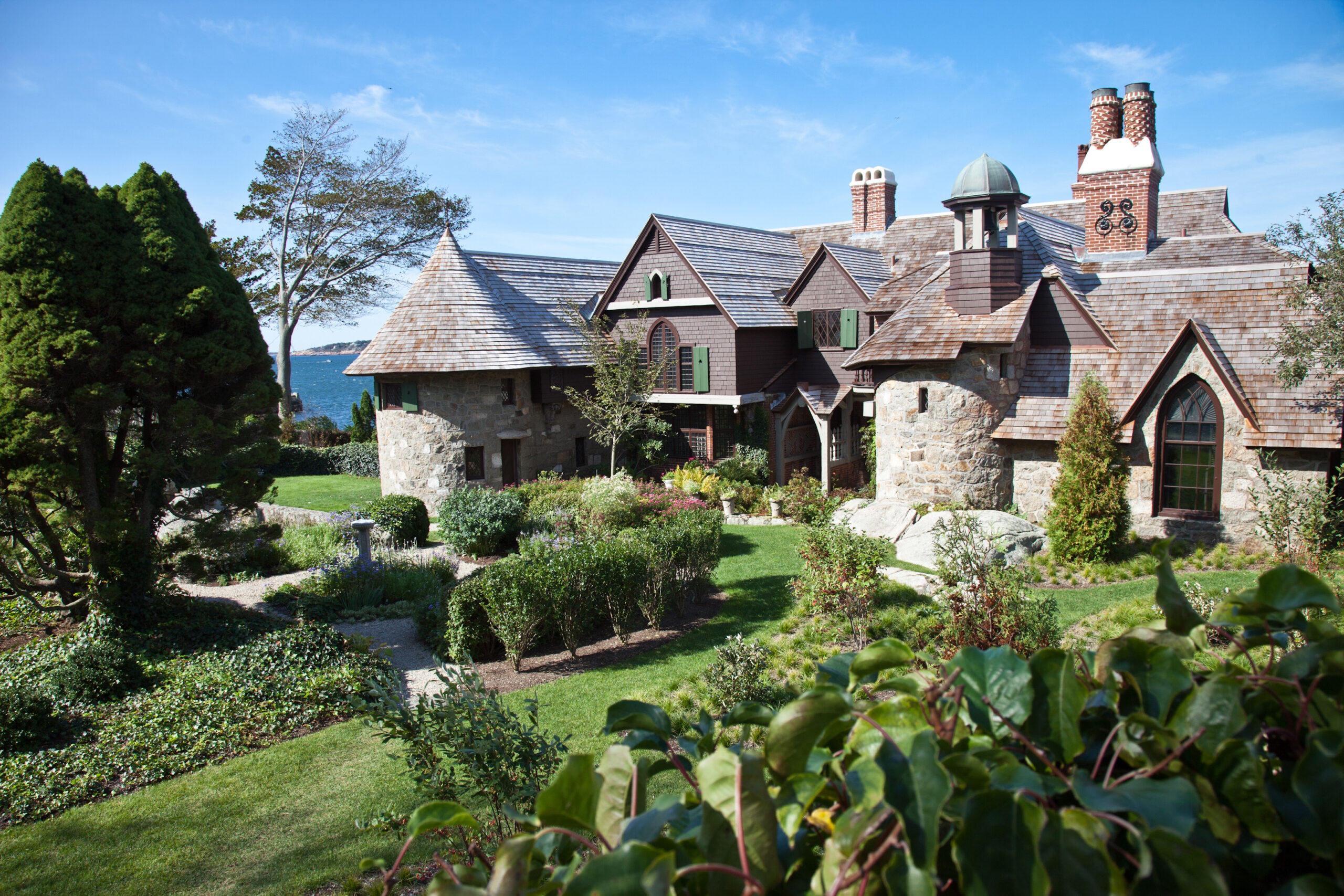
Beauport highlights interior designer Henry Davis Sleeper’s lifetime collection of curiosities, colored glass, folk art, china, and silhouettes. Perched on a rock ledge overlooking Gloucester Harbor, the summer house reveals Sleeper’s creative vision in every nook and alcove. Each of the forty rooms spotlights a historical or literary figure, theme, color, shape, or object. No two rooms are the same, and each is more visually dazzling than the last.
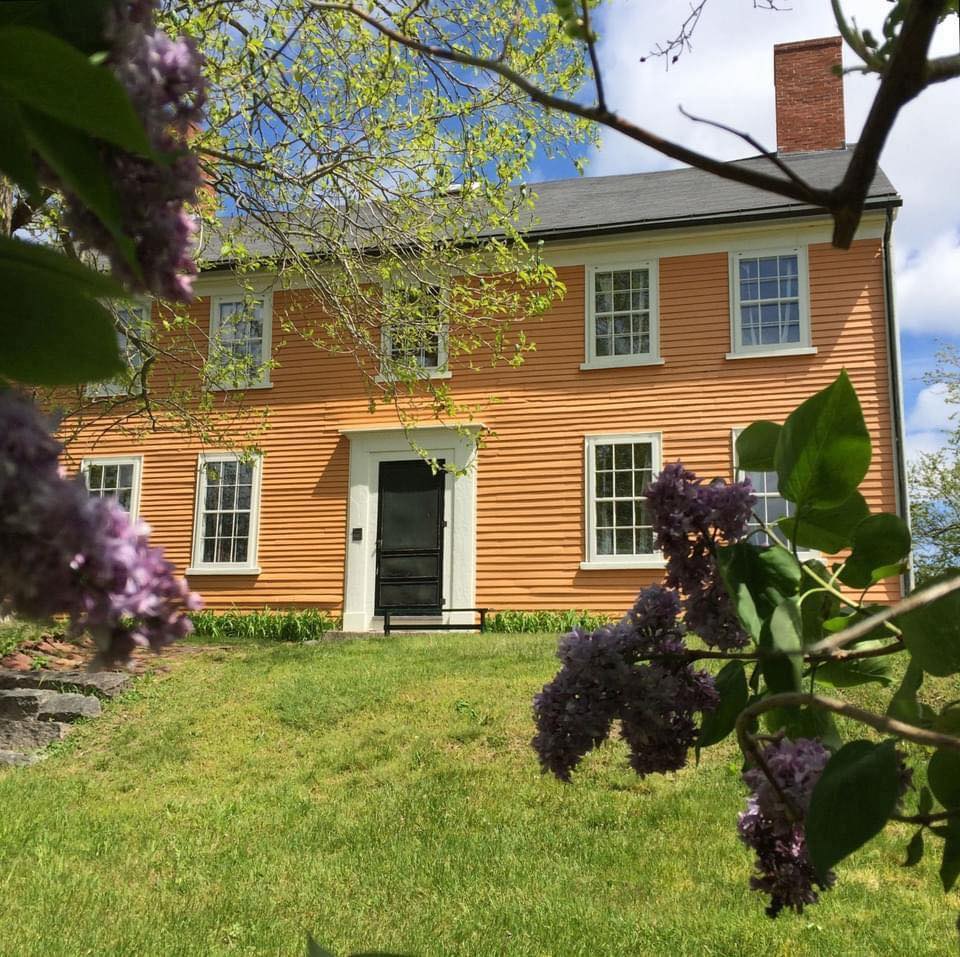
Bert and Nina Little were preeminent folk art collectors before they purchased the 1728 farmhouse on Boston’s North Shore. The moment they saw it in the summer of 1937, they realized it would be the perfect setting for their collection, which had outgrown their Brookline town home. Assembled over nearly sixty years, the Littles used their collection to decorate with an eye for visual delight rather than historical accuracy. The rooms overflow with folk art portraits, painted furniture, redware, hooked rugs, weathervanes, and decoys. It is one of the only places in the United States where you can visit such a collection in the home for which it was assembled.
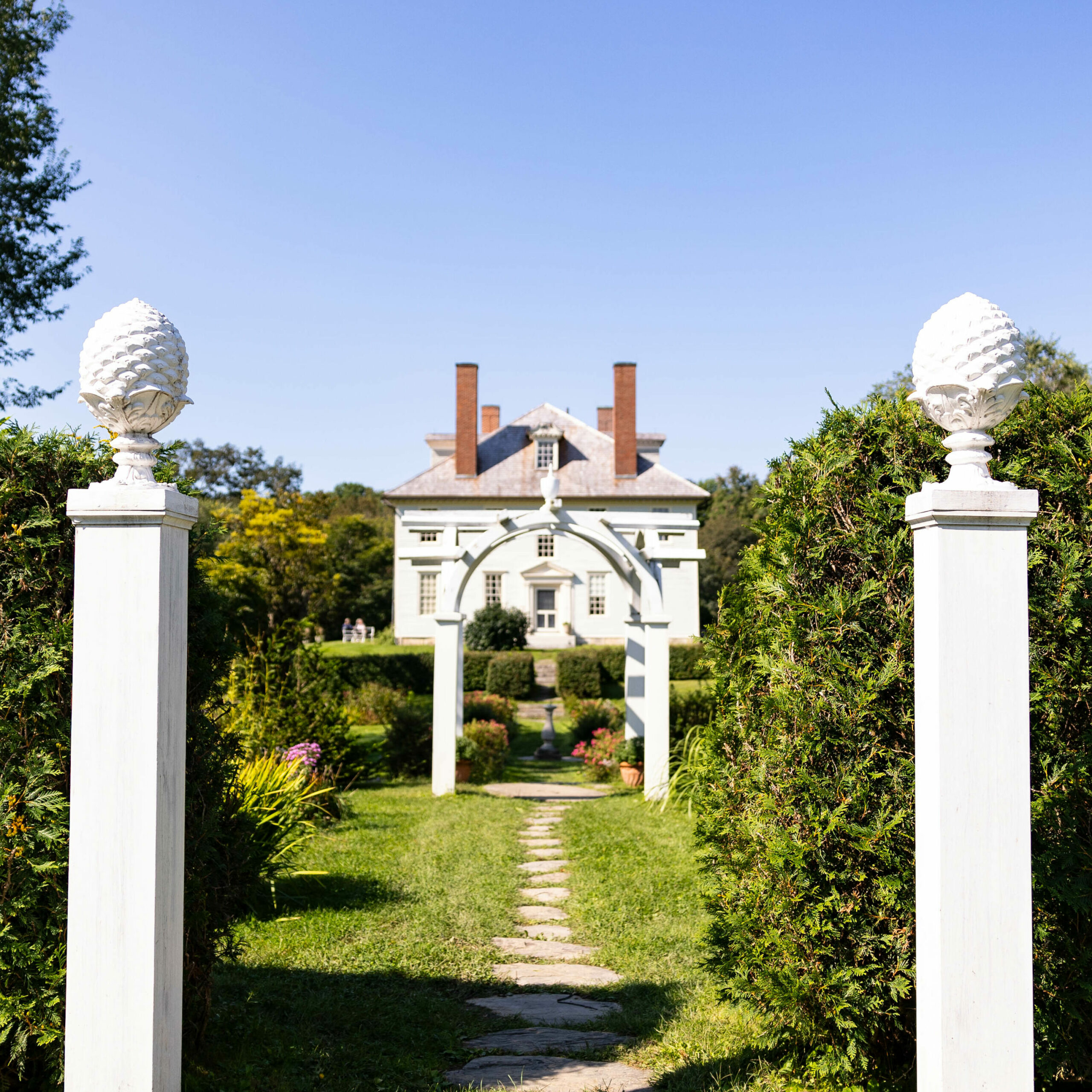
In 1898, Maine writer Sarah Orne Jewett convinced her friend Emily Tyson, a wealthy Philadelphia widow, to purchase the 1785 Hamilton House, a storied mansion in an idyllic location in Jewett’s hometown. Tyson was part of a new wave of summer residents who were caught up in the Colonial Revival romance of owning country houses which reflected the grace and prosperity of colonial forebears and provided a healthful rural retreat away from the heat and pollution of cities. The Tysons embarked on creating a grand Colonial Revival-style garden encircled by an elaborate pergola and built a charming garden cottage fitted with interior paneling salvaged from a colonial-era home.
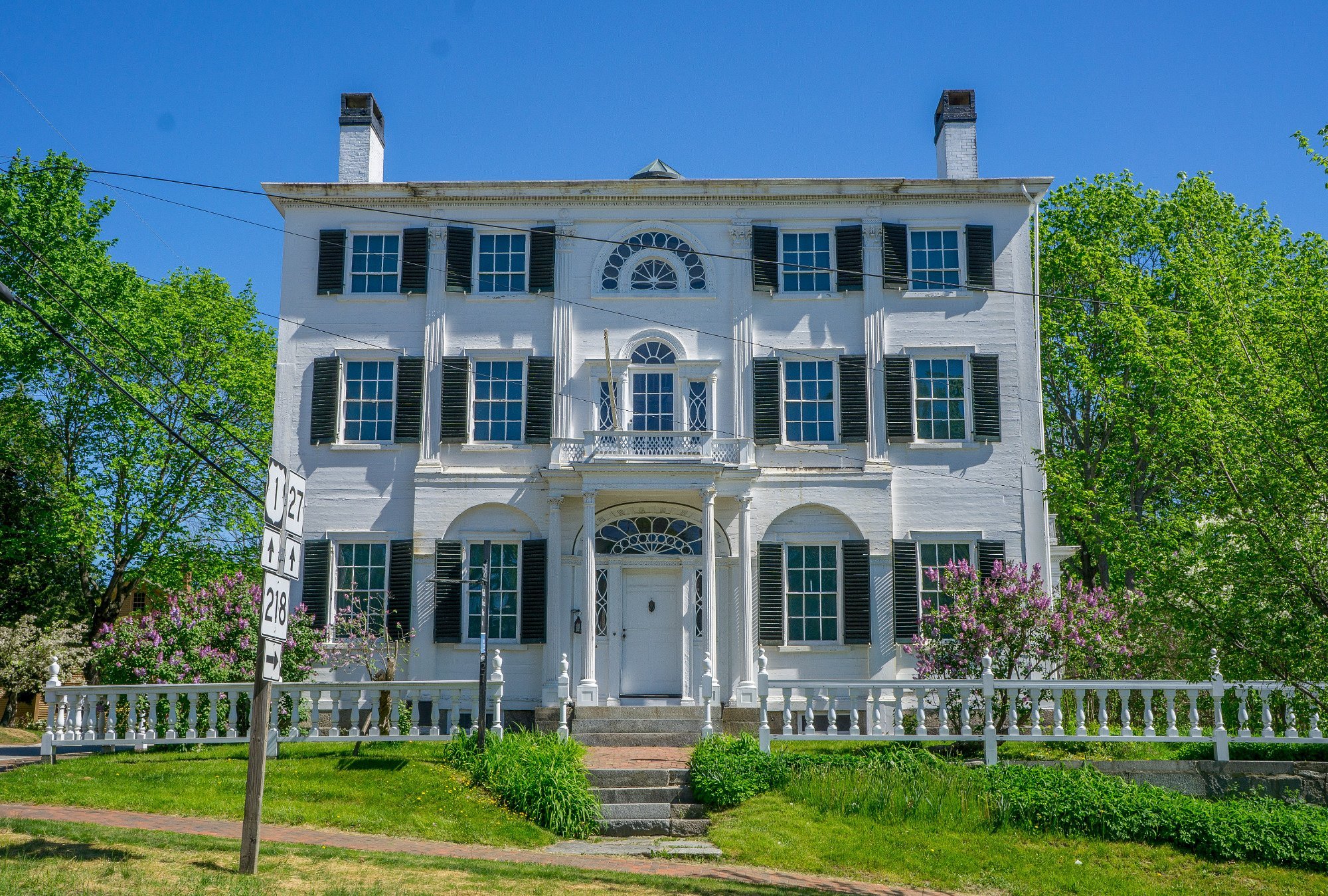
In 1899, industrialist Alvin Sortwell and his wife Gertrude purchased the 1807 Nickels mansion, which had served as an inn and hotel for the past eight decades. Sortwell’s maternal line had roots in Wiscasset and it seemed like a perfect spot for a country retreat for the Massachusetts family with six young children between eight and seventeen years old. The house’s architecture was magnificent and hardly altered in spite of it having been used commercially for nearly a century. The Sortwells dedicated themselves to restoring the house to its former grandeur and prominent position overlooking Wiscasset’s main street.
Written by Peter Gittleman, Team Leader for Visitor Experience
Sign up to our newsletter for our latest news and events