
Historic preservation offers a range of tools to protect the places that give a community its character. These include the National and State Registers of Historic Places, Local Historic Districts, and preservation easements, each of which is designed to meet specific preservation goals. Understanding how these tools work can empower you to protect meaningful cultural resources in your community—maybe even your own home.
The National Register of Historic Places
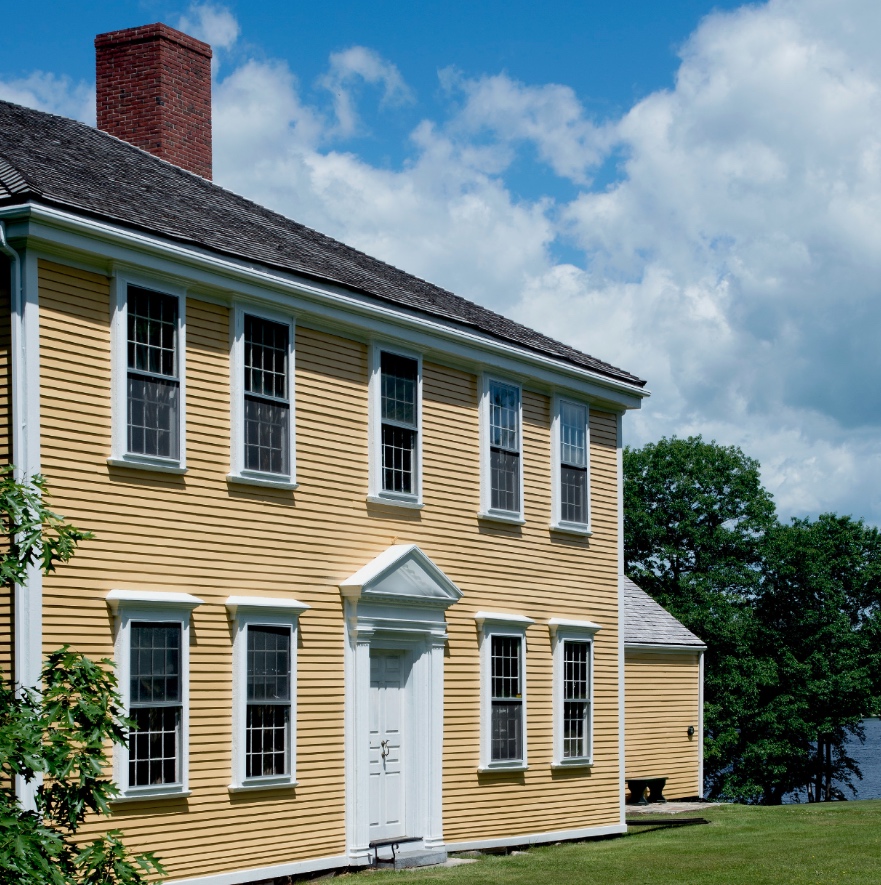
The National Register of Historic Places is the federal government’s official list of historic and cultural resources recognized for their historical, architectural, or archaeological significance. Anyone can nominate a property for the National Register, a process managed by state and tribal historic preservation offices.
Some properties are listed individually, while others are part of a historic district—a group of buildings, structures, or sites that together convey shared significance. Historic districts communities to recognize and preserve the broader character of neighborhoods or landscapes whose collective importance is greater than the sum of their parts. Of the thousands of National Register listings, about 2,600 are considered of such exceptional national importance that they are designated National Historic Landmarks.
The most common misconception about the National Register of Historic Places is that it provides broad protections against alterations or imposes restrictions on private owners. It does neither. The designation is voluntary and honorary, though it may offer some protection against federally funded projects. Listing may open opportunities for federal tax incentives and provides valuable guidance for homeowners who want to make historically sensitive repairs or renovations. Each listing includes a nomination form describing the property’s history, architecture, and character-defining features, which helps owners, planners, and developers understand what is historically significant.
Beyond individual benefits, the National Register also serves as a planning tool by providing documentation and official recognition of historic resources, helping communities make informed decisions about development, zoning, and preservation priorities. Municipalities often use this information when reviewing projects, updating zoning, or creating local historic districts, while federal agencies must consider the impact on National Register-listed properties when undertaking federally funded or licensed projects.
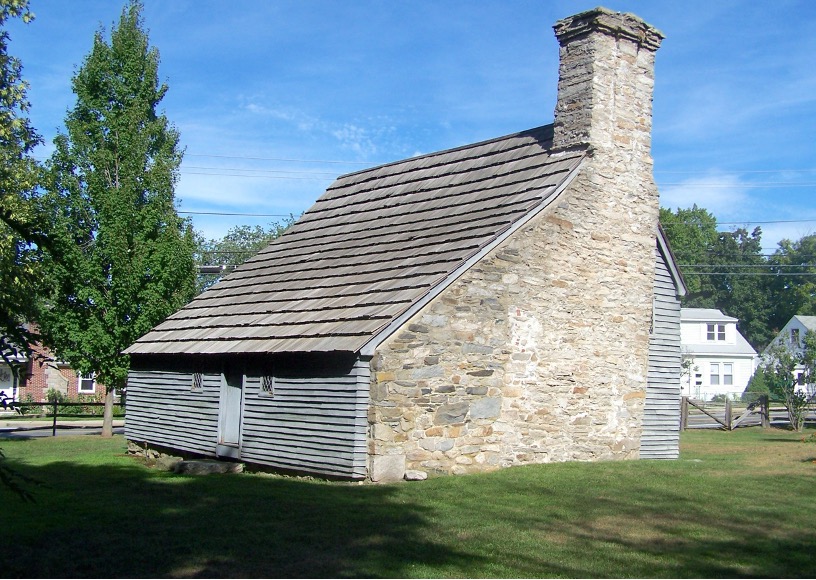
Many (though not all) states maintain their own State Registers of Historic Places, which function similarly to the National Register but at the state level. Like the National Register, state listing is honorary and voluntary, yet it provides valuable recognition, documentation for property owners, and supports local planning efforts. Property owners can use this documentation to guide repairs, qualify for state incentives, or strengthen grant applications.
A State Historic Preservation Officer typically determines the criteria for listing eligibility, allowing each state’s register to reflect local needs. In many states, properties listed on the National Register are automatically included on the State Register. Listing on a State Register may offer limited protection from state-funded projects that could affect the property and can also make properties eligible for certain funding opportunities. In New England, for example, Massachusetts municipalities and nonprofits can apply for matching grants through the Massachusetts Preservation Projects Fund; LCHIP makes grants to New Hampshire properties that are publicly owned or owned by a publicly supported nonprofit; and in Connecticut, homeowners and nonprofit housing corporations are eligible for state tax credits.
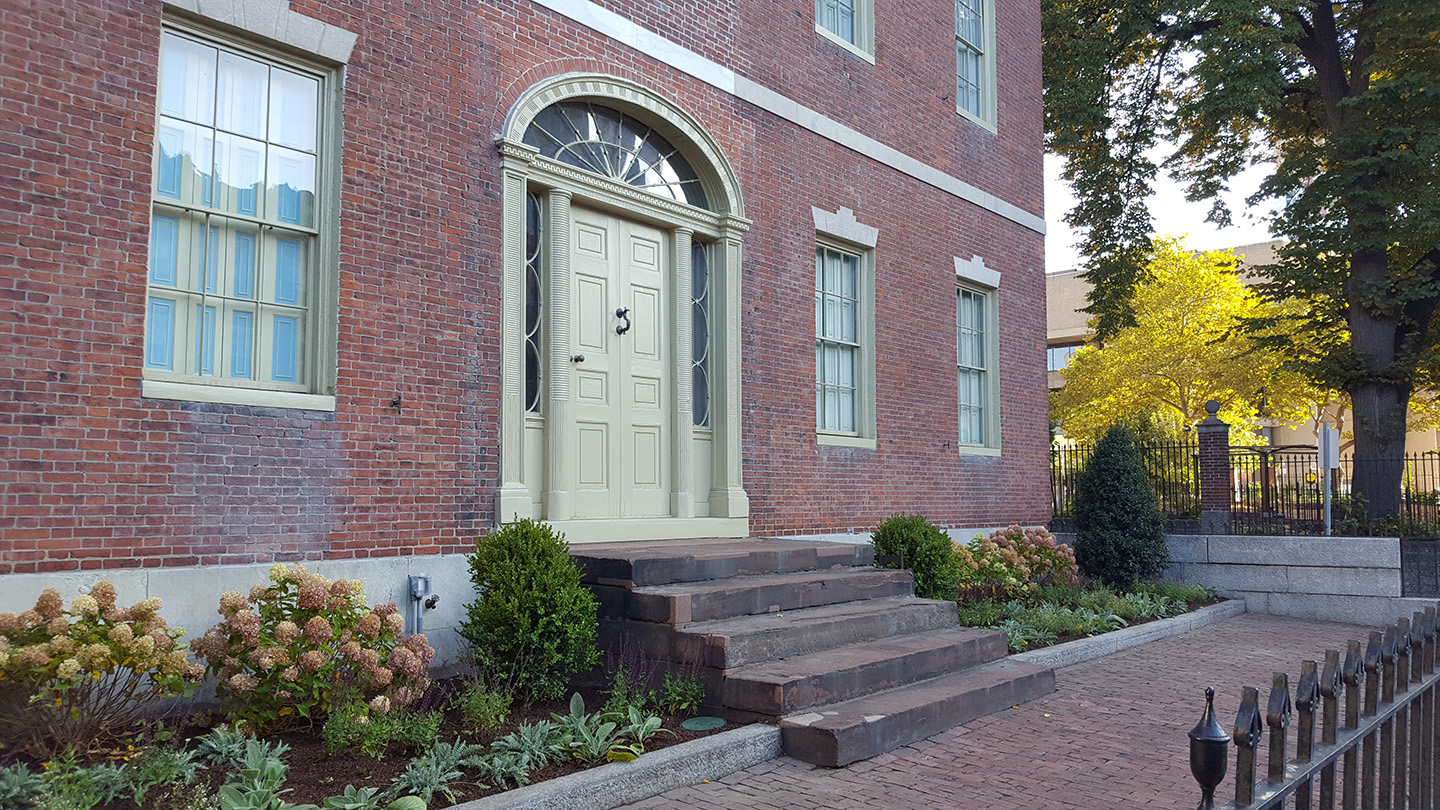
Local historic districts are regulatory tools created through local zoning ordinances and enforced by local governments. They are distinct from National or State Register Historic Districts, which are separate designations administered at different levels of government. Although their boundaries may overlap, local historic districts function independently as local zoning overlays. Beacon Hill in Boston—where Historic New England’s Otis House is located—is designated a historic district at the local, state, and national levels. Beacon Hill was designated as Boston’s first local historic district in 1955, and it was listed on the National Register of Historic Places on the day the Register was established in 1966. Because Massachusetts automatically includes National Register listings on the State Register of Historic Places, the district is also listed at the state level.
Establishing a Local Historic District takes significant time and advocacy, but it can be a very effective way for communities to safeguard their historic resources. Local historic districts do restrict what a private owner can do to their property. Regulations vary by locality, but they typically protect only exteriors visible from the public way, not interiors or rear elevations. The scope varies, but Local Historic Districts may have the legal authority to deny demolition permits, enact demolition delays, review proposed exterior changes, ensure additions or new construction are compatible with surrounding buildings, and more.
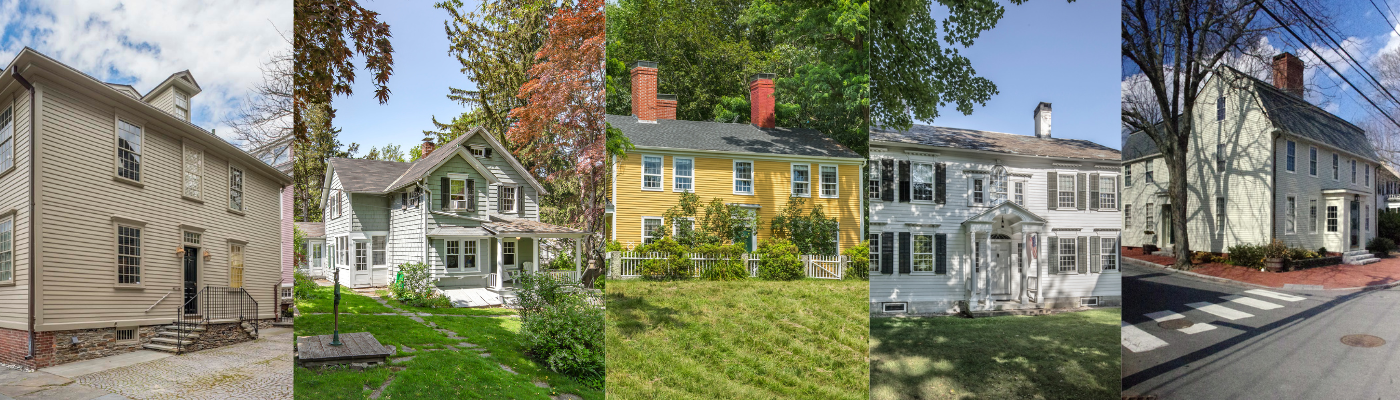
For homeowners looking for strong, long-term protection, preservation easements are one of the most effective tools available. An easement is a voluntary legal agreement between a property owner and a nonprofit organization or government entity that sets conditions to protect a property’s historic character. Historic New England holds more than 125 preservation easements across New England.
What makes an easement so powerful is that it is filed with the property’s deed. Like a deed restriction, it stays in place even when the property is sold or inherited, ensuring protections remain in effect for generations. For an easement to be effective, enforcement is key; if a violation occurs, the holder has the authority to require compliance.
Easements can be tailored to the property’s needs. Some focus on exteriors, preserving historic windows, roofs, or facades, while others extend to interiors, landscapes, or outbuildings. They can prevent demolition or neglect and safeguard significant historical features, while still allowing owners to make changes that meet modern needs, such as painting or redecorating.
Easements also connect property owners with preservation professionals who provide guidance on repairs, review proposed changes, and monitor the property over time. In this way, easements balance flexibility and protection: They safeguard irreplaceable historic features while giving owners the ability to continue using and enjoying their property. When executed thoughtfully, preservation easements are among the most powerful tools for safeguarding historic resources for future generations.
Written by Rachel Farago, Preservation Services Manager, Central New England
Sign up to our newsletter for our latest news and events