
At Historic New England, every month is Preservation Month, and has been since 1910! As the oldest, largest, and most comprehensive preservation organization in the United States, over the years we have assembled a wide range of resources for taking care of old buildings, and we want to share them with you.
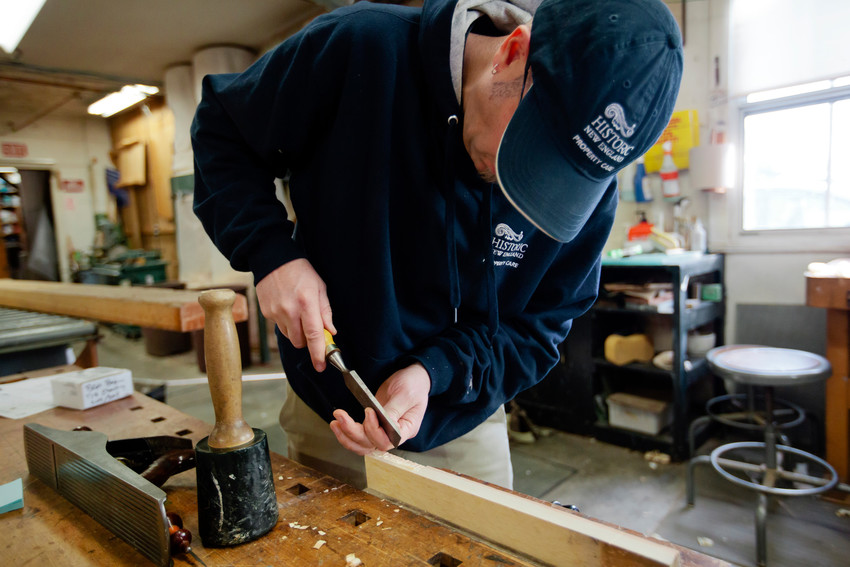
Whether it’s for a museum, a National Register-listed property, or one of the hundreds of thousands of century-old (or older) homes that give our region its unique sense of place, the information included below can be adapted to take care of any old building. Remember: If your old home is part of a local historic district or protected by a preservation easement, you may need to seek approval from the proper authorities before undertaking rehabilitation or updating its mechanical systems.
Our preservation experts have assembled advice on common topics related to updating and protecting old buildings. Check them out before your next DIY project or share them with your contractor.
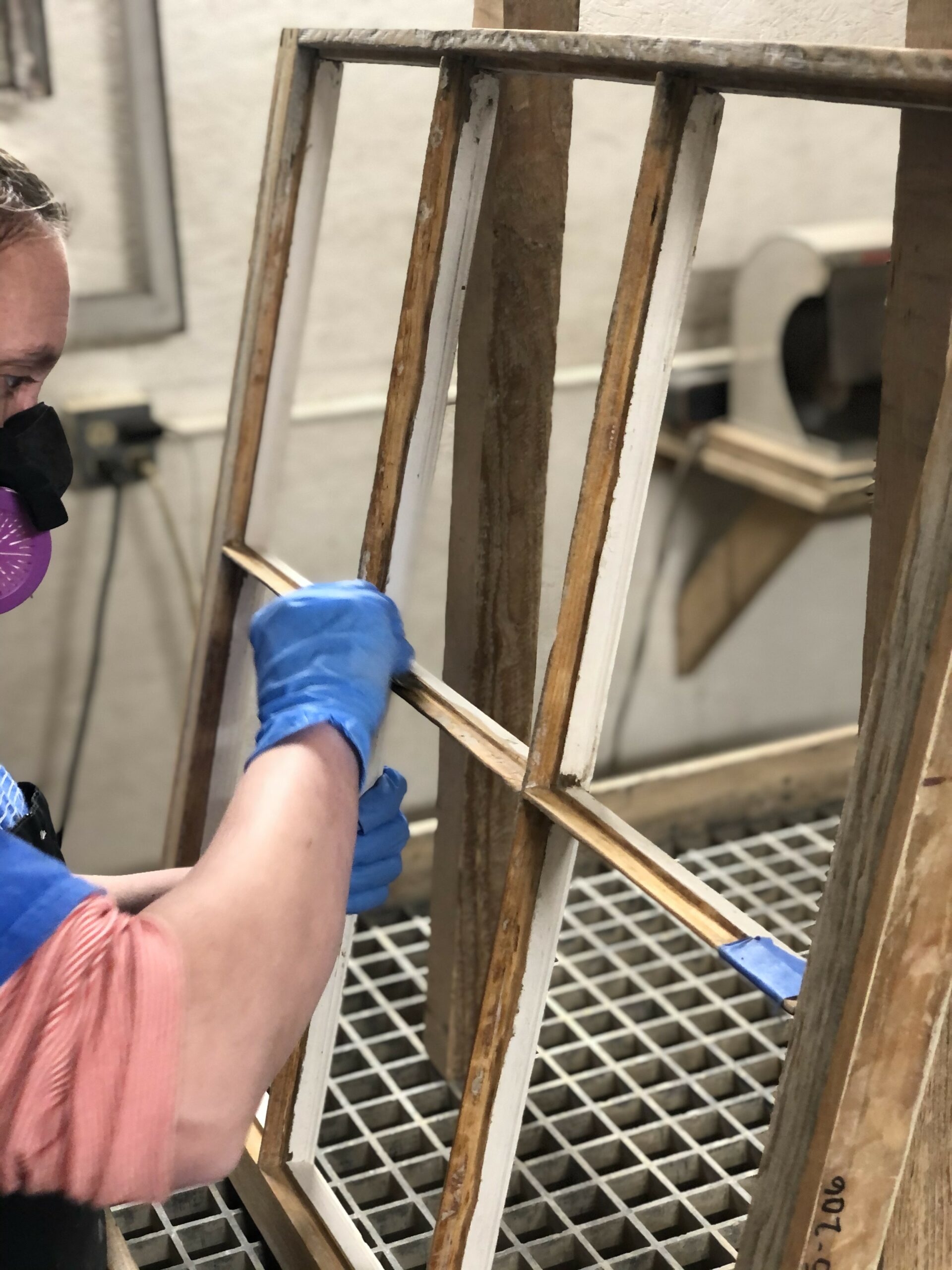
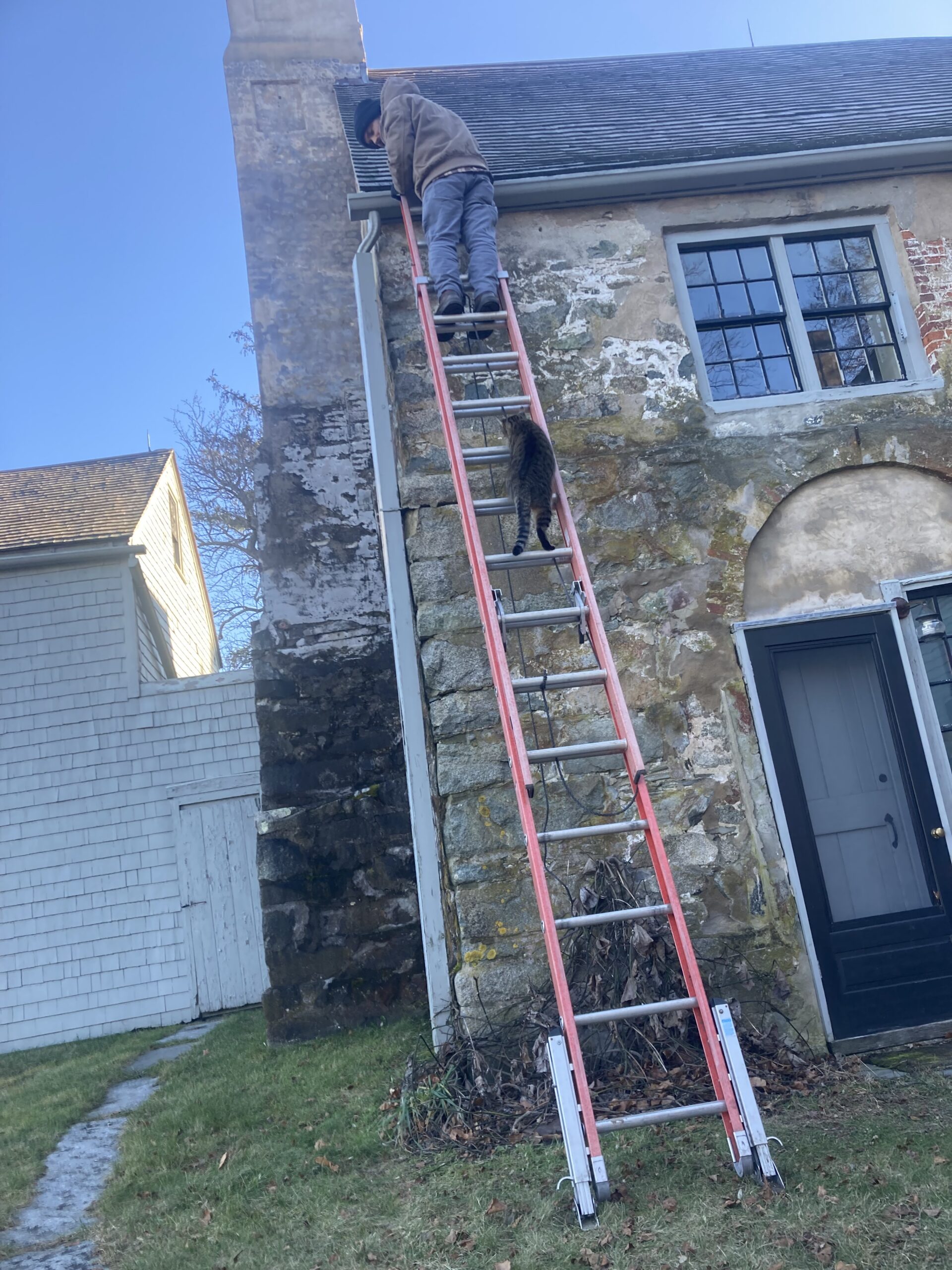
Finding contractors willing to perform work in a historically sensitive manner can be a challenge. Every New England state has a nonprofit preservation advocacy organization, and each one maintains lists of contractors with experience working on old buildings.
Local preservation organizations and local historic district officials may also be able to direct you to information on contractors who have performed historically sensitive restorations in your area.
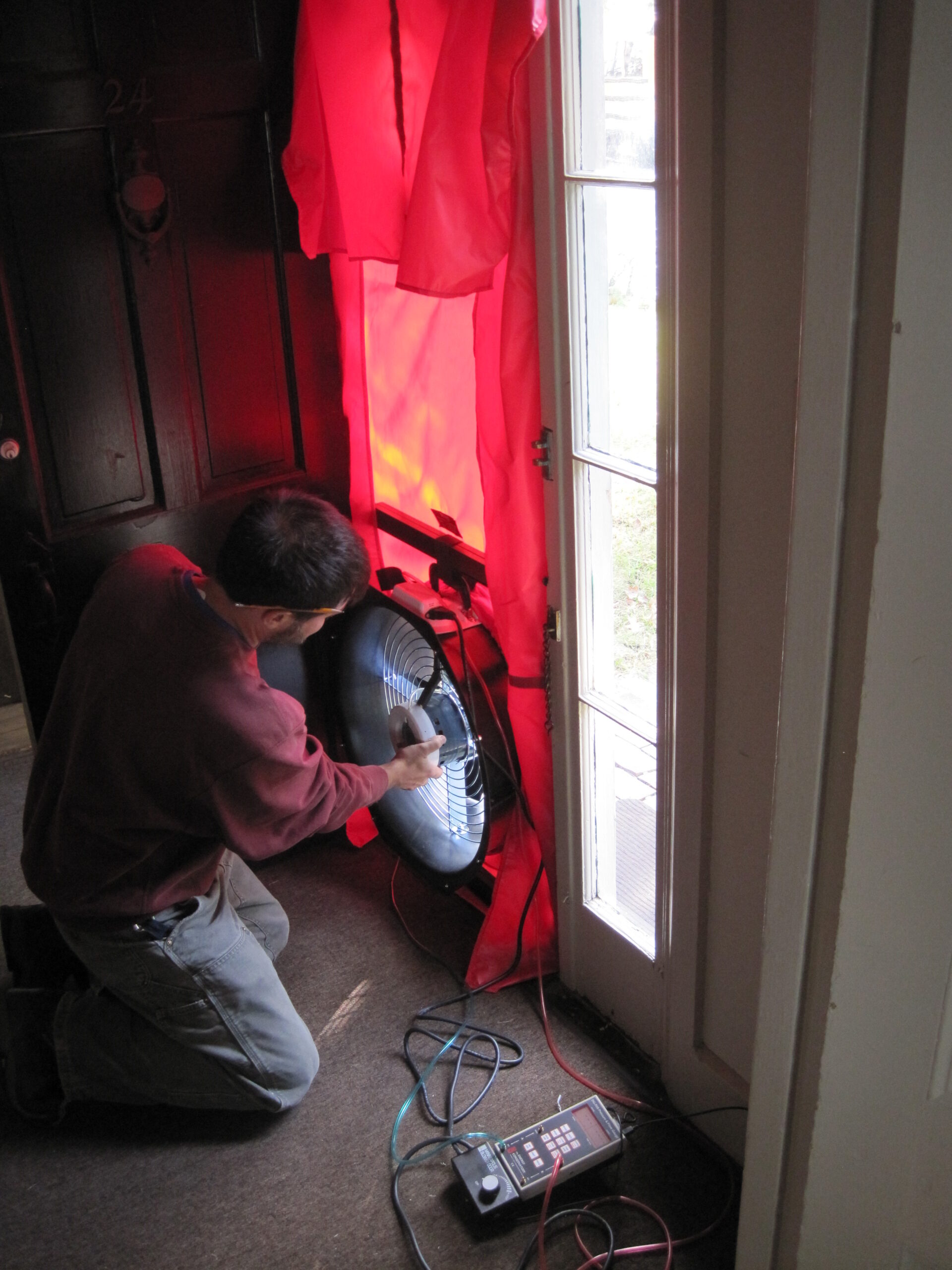
Each New England state maintains information on programs, incentives, and rebates for everything from energy audits to heat pump installations. It’s important to know that energy audits and incentives are not designed with preservation principles in mind, and some programs and tools may do more harm than good to old buildings.
What’s a climate-conscious homeowner to do? Start by reviewing Historic New England’s energy efficiency advice before scheduling an audit or pursuing incentives. Still have questions or want to learn more? Register now for our May 8, 2024, virtual program on how to retrofit your old home to make it more efficient and more comfortable. (Registrants will receive a link to the video after the event, so even if you can’t attend, you can watch later and benefit from our experts’ advice!).
State energy programs:
If you’re still unsure about an energy efficiency recommendation, remember the first tenet of Historic New England’s preservation philosophy: reversibility. Is the recommendation reversible? Can you find examples of its successful implementation in other buildings of the same age and construction technique?
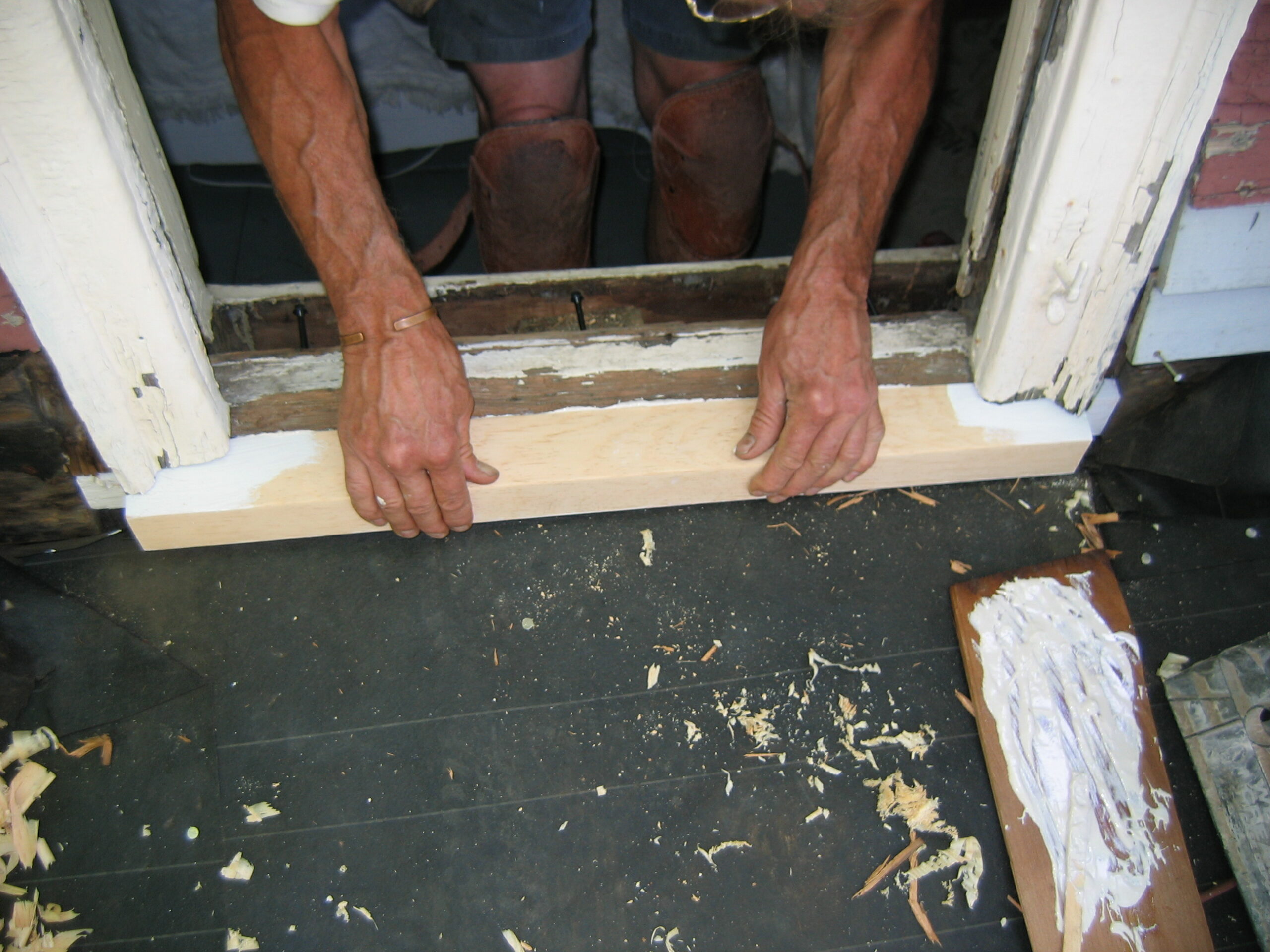
Historic New England’s Homeowner Services is a benefit of premium membership that offers you personalized support from our preservation staff when you research, paint, renovate, or repair your home.
Donating a preservation easement to Historic New England is one of the best ways to ensure the long-term preservation of your property. This legal agreement allows Historic New England to protect the character-defining features of your home from insensitive alteration or neglect, even after the property sells.
Sign up to our newsletter for our latest news and events