
This summer, leave your car at home and explore Historic New England’s properties on public transportation.
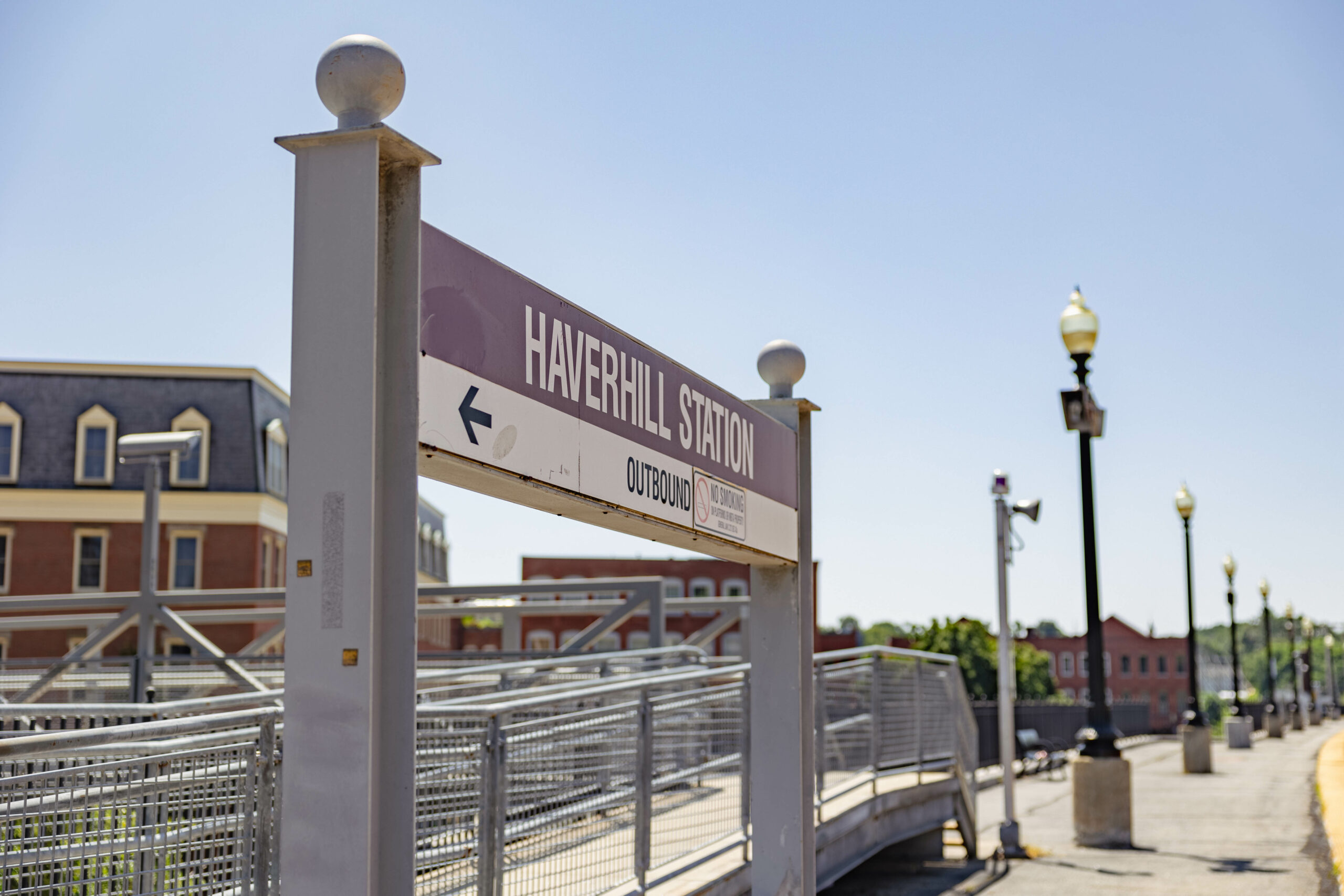
Have you ever been asked — or asked someone else — “You don’t have a car? How do you manage to get around?” For many people, the answer is public transportation. Relying on public transportation requires a bit more planning and preparation than using your own car, but it is usually cheaper and more ecologically sound than driving a passenger vehicle. And on busy summer weekends, it might also be quicker.
The transportation sector—cars, trucks, ships, trains, and planes—accounts for a staggering 28 percent of the United States’ total emissions. Of the emissions produced by people and goods making their way around the country, more than half come from the internal combustion engines in passenger vehicles. That’s a daunting statistic. The good news? We can reduce transportation emissions by making different choices about how we get around.
Transportation emissions are typically measured in emissions per passenger mile. Cars emit around 213 grams of carbon dioxide (CO2) per mile, while buses emit only 177 grams and passenger trains (such as Amtrak) emit 135 grams. Rail transit (such as a subway) is even more efficient, emitting just 77 grams. This stark difference in emissions per passenger mile is why public transportation is such a game-changer.
Imagine your daily commute. Let’s say you have a forty-mile round-trip drive and you make it alone. Your emissions—sometimes called your carbon footprint—would amount to a hefty 16 kilograms per passenger mile. Carpool with just one person, and you reduce your emissions to eight kilograms per passenger mile. With four people in your car, emissions drop to just four kilograms per passenger mile. Take a train or bus instead, and the CO2 your car would emit is never released into the atmosphere.
Driving less doesn’t just reduce carbon dioxide emissions. Cars also produce harmful by-products like nitrogen dioxide, carbon monoxide, and benzene. By opting for public transportation, you’re helping combat climate change, improving air quality, and promoting healthier communities.
You might be surprised by how many Historic New England properties you can reach using public transportation. Whether it’s a direct route, a short walk from a transit stop, or a convenient drop-off point, it is possible to visit many of our sites without a car. Avoid parking hassles, save money on gas, and have a more enjoyable, stress-free journey. Visit our website and select the property you’d like to visit to find public transportation directions. You can also plan your travel between sites, or to sites without public transportation directions, using each state’s transit resources:
Next time you’re contemplating how to get around, consider the benefits of public transportation. It’s not just a ride, it’s a step towards a greener, healthier future for all of us and something for everyone to think about on the last day of Earth Month. Instead of automatically reaching for your car keys, why not try something different this season and opt for public transportation?
Did you visit one of our properties on public transportation? Take a picture and let us know by tagging @HistoricNewEngland on your favorite social media platform!
Written by Joie Grandbois, Sustainability Coordinator, and Laura Sullivan, Director of Marketing
Sign up to our newsletter for our latest news and events