
In the permaculture world one phrase that you often hear is “waste is a resource.” This means that the things we throw away can have another purpose that helps conserve resources and energy. On a larger scale, we see a similar principle in the discussion of circular economics—the idea that we can have an economic system that repurposes, recycles, and reuses as much as possible with the goal of reducing or eliminating waste, decreasing emissions, and allowing nature to regenerate.
Many of us already incorporate this idea into our lives. If you do things like composting, reusing your empty glass jars, or repairing your clothes instead of getting rid of them, you have participated in making waste a resource. It is also the driving idea, although with mixed success, behind recycling. Earlier this year, Historic New England held an event that also supported this ideal of waste as a resource.
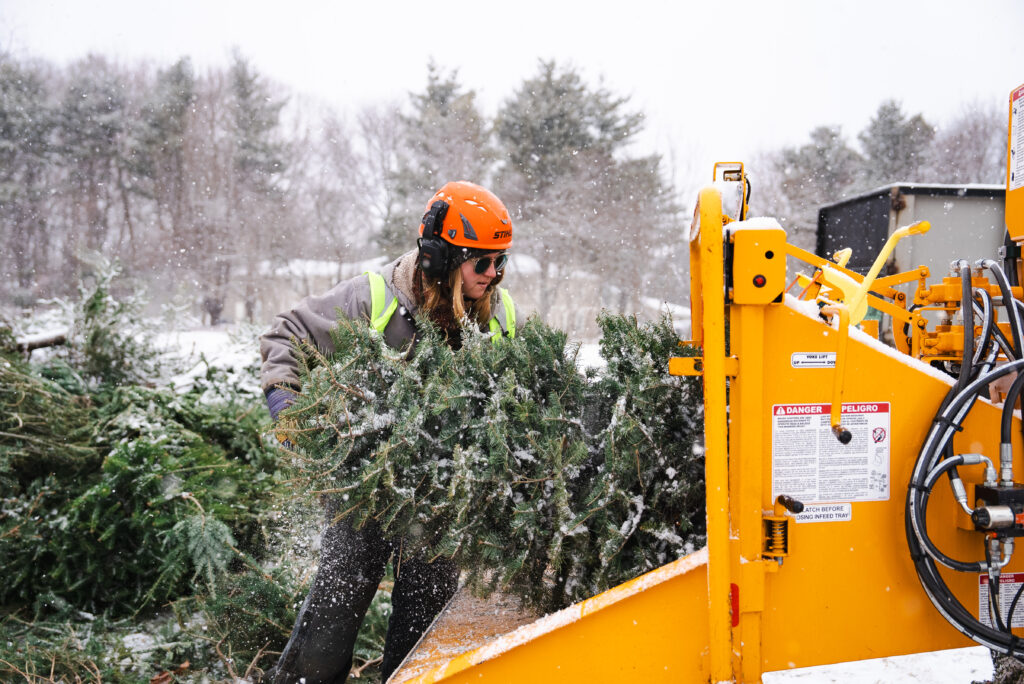
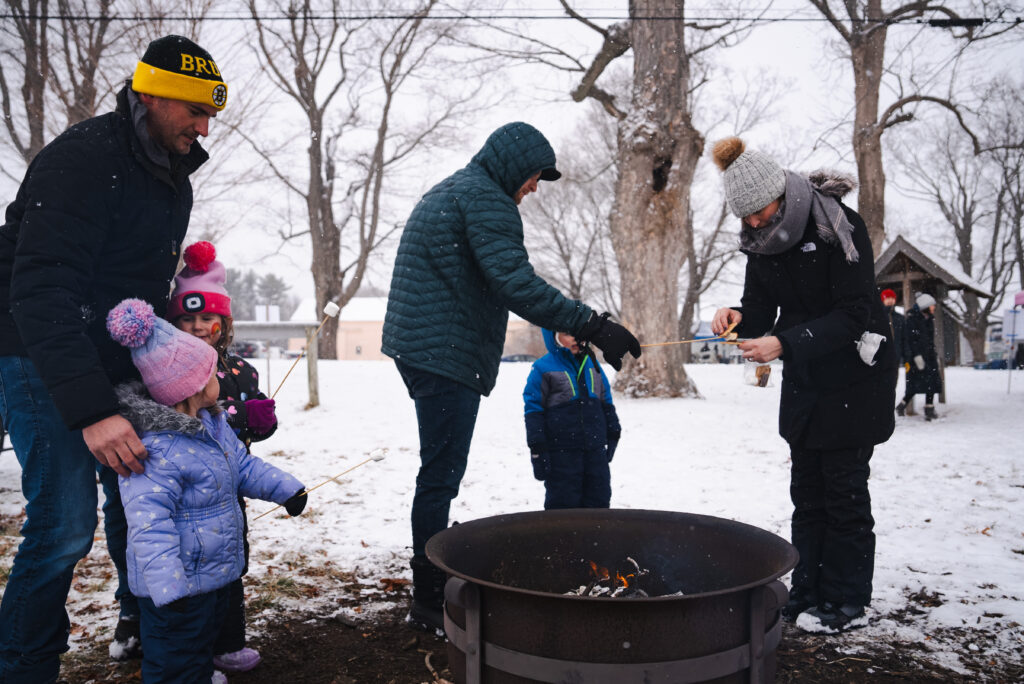
For many years, we had held an annual Christmas tree bonfire at Spencer-Peirce-Little Farm in Newbury, Massachusetts. Each year, thousands of trees were piled high and burned the first weekend in January. But in December 2024, after a very dry fall, the fire danger was extremely high and there were concerns about the safety of the event. People also raised concerns about the emissions and air quality impacts that result from burning thousands of trees. We took these concerns very seriously, so this year, inspired by long running events such as MulchFest in New York City, we hosted our first ChipFest!
In many ways, ChipFest was similar to our past events. We had face painting, a story hour, s’mores, and tractor rides, but there was one big difference: Instead of burning trees, we had a woodchipper on site that turned the trees into mulch.
Trees play an important role in fighting climate change. As a tree grows, it absorbs carbon dioxide (CO2) from the air. The carbon remains part of the tree for its lifetime (a process known as carbon sequestration). A typical Christmas tree holds about 16 to 20 kilograms of carbon. When that tree is burned, the stored carbon is emitted back into the atmosphere. In addition to CO2, burning trees also produces fine particles and other pollutants, which can degrade local air quality and affect people’s health.
While 16 to 20 kilograms may not sound like much, the impact of burning Christmas trees adds up quickly:
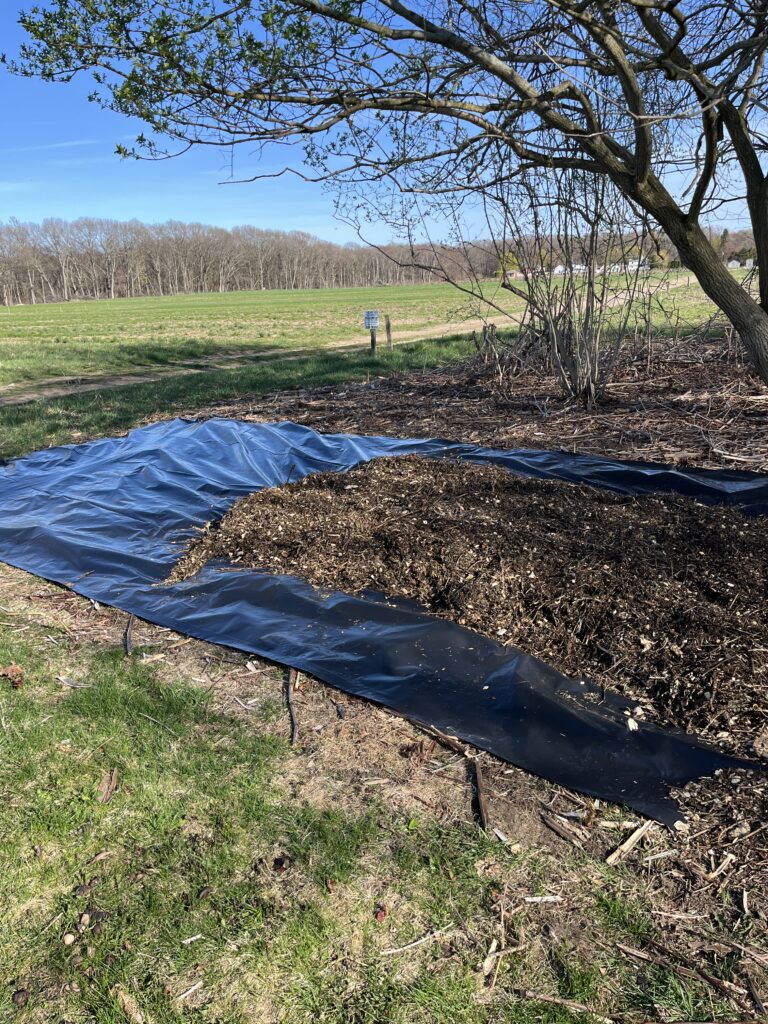
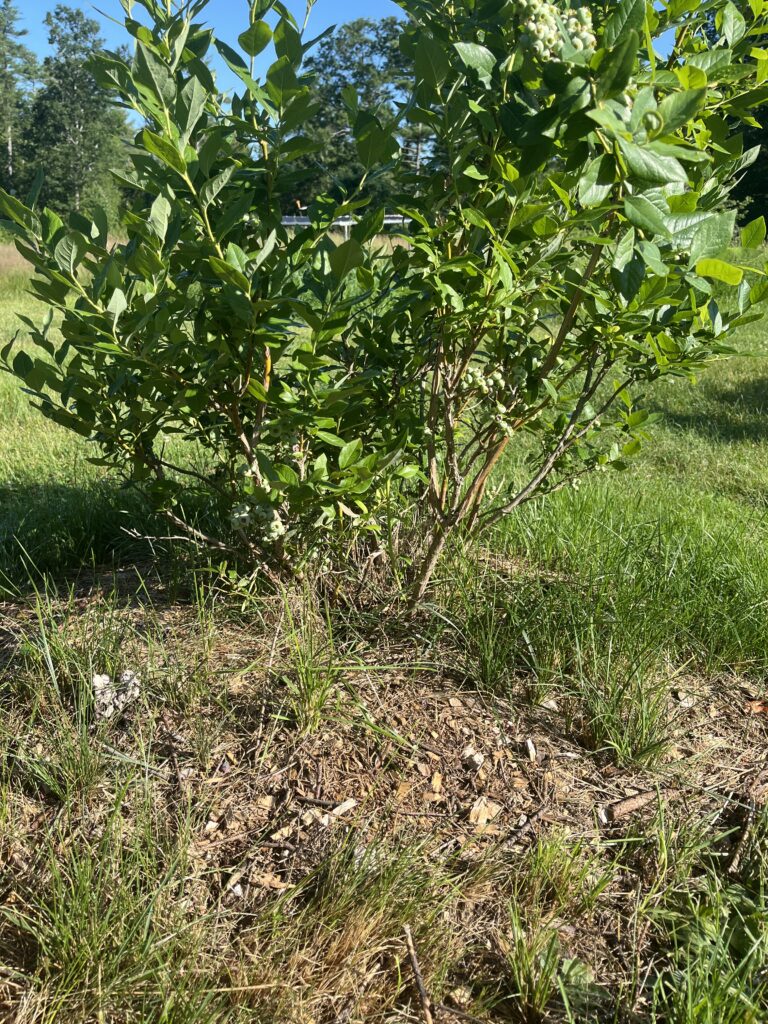
This year, we turned eight hundred trees into mulch instead of burning them, preventing an estimated 15.2 metric tons of carbon from being released. The mulch is also a great example of circular economics—holiday waste produced a new resource that can be put to a variety of uses. Several attendees took a bag of mulch home to use in their own yards and gardens. Our landscaping teams have used it at our sites, including as part of a knotweed control test at Spencer-Peirce-Little Farm. A Historic New England staff member used some to mulch around his blueberry bushes, which we have been told produced an exceptional crop this summer.
At the height of summer, you may be thinking about keeping rabbits out of your garden rather than how people dispose of their Christmas trees. But if you celebrate Christmas and put up a real tree, it’s never too early to start planning a more sustainable holiday. There are many ways to make sure your tree doesn’t end up in a landfill or incinerator. Many municipalities have collection programs that compost the trees or turn them into mulch, while other communities use them to help restore beaches and other landscapes. Some farms collect trees to use to feed goats or other animals. Keep an eye out for information about sustainable options in your community!
Written by Joie Grandbois, Director of Sustainability
Sign up to our newsletter for our latest news and events