
In 1895, Haverhill, Massachusetts was at the peak of its industrial power, turning out thousands of shoes each day from its many factories. It was to great dismay of factory owners that, in February of that year, workers across the city engaged in a massive strike, stopping shoe production and crippling local infrastructure. Over 3,500 workers left the factories that winter, demanding wage increases, unions, and a nine-hour day. The interruption to Haverhill’s busy production schedule lasted for over a month, and factory owners rushed to fill the void with replacement workers. They found a ready workforce in immigrants who came from across the Austro-Hungarian empire, including Russia, Poland, Ukraine, Lithuania, Latvia, and Romania. The Great Shoe Strike of 1895 became a key moment in Haverhill’s history, drawing large numbers of Eastern European immigrants to the city for the first time. Many were Jewish, and they gathered in what became the area’s first major Jewish community.
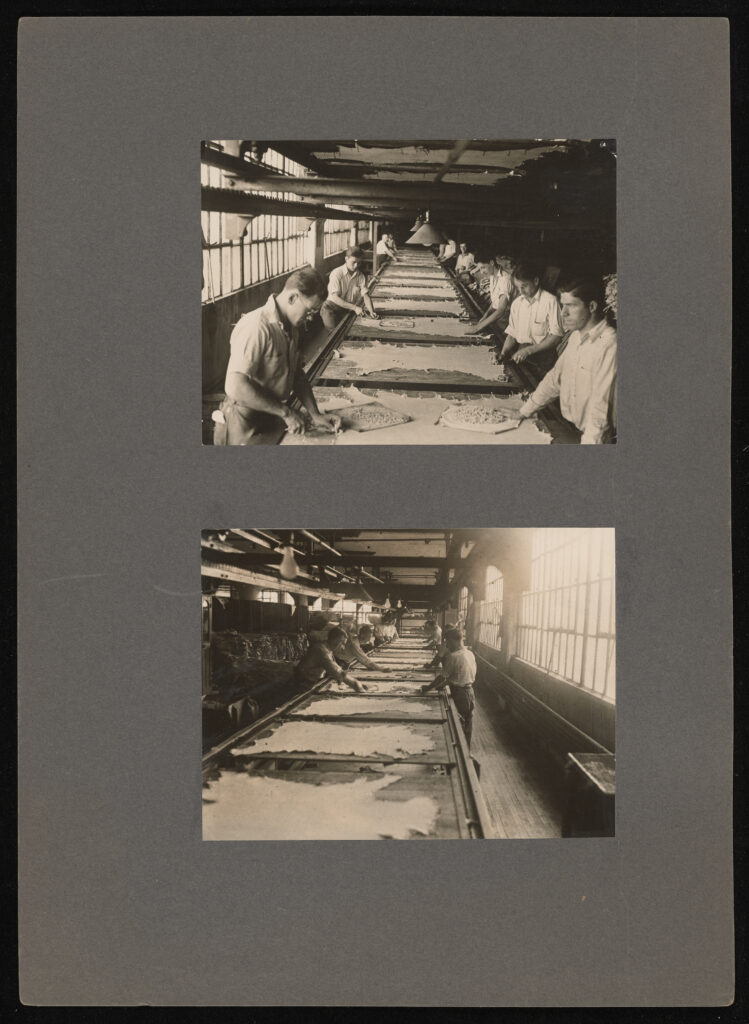
These new arrivals were fleeing economic hardship, political repression, and the anti-Jewish violence that was spreading across Europe. Haverhill was already home to several other immigrant communities, and the availability of industrial jobs and safe, affordable housing beckoned to those eager to avoid large cities. A small Jewish community had begun settling in Haverhill in the 1880s, led by German and Eastern European peddlers who left Boston and travelled to other Massachusetts cities, becoming storekeepers, merchants, and trades workers. Leatherwork and tailoring were common professions in Eastern Europe, and many immigrants could leverage these skills in the shoemaking and garment industries. H. L. Hamel Leather Company employed many of these workers in cutting, tanning, and finishing leather for shoemaking at their factory complex on Essex Street. As Jewish immigrants established themselves in the profitable shoe and garment trades, they became anchors for chain migrations that followed, bringing large family groups to settle in Haverhill. Many families settled near the factories in the Mount Washington neighborhood and on River Street, sharing traditions from their home countries as they navigated a new world.
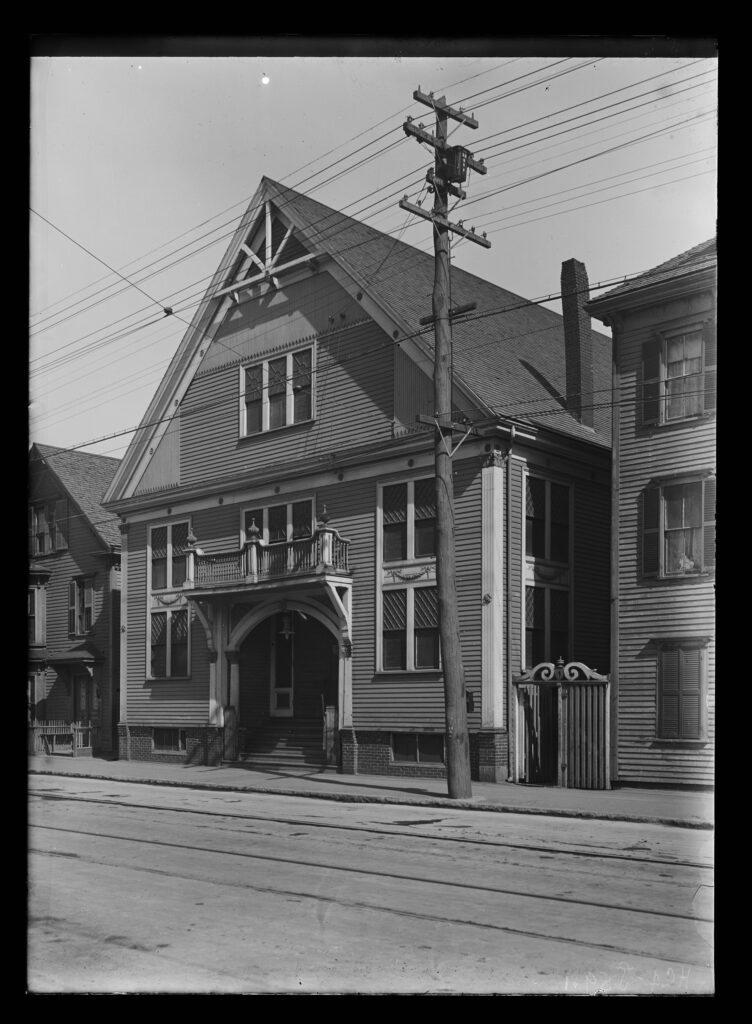
The strike of 1895 brought more than a thousand new Jewish families to Haverhill, but the city had no designated space for Jewish worship. The increasing Jewish population would have no synagogue of their own for many years. In the meantime, Haverhill’s early Jewish residents turned to the home-centered and communal practices they had long relied on in Europe to keep religious practices alive. They did this by using small, quorum-based prayer groups called minyans which met in homes and storefronts. This system was informal and dependent on lay leadership, but it reflected the endurance and resiliency of people who were already experienced in practicing their faith outside of official institutions.
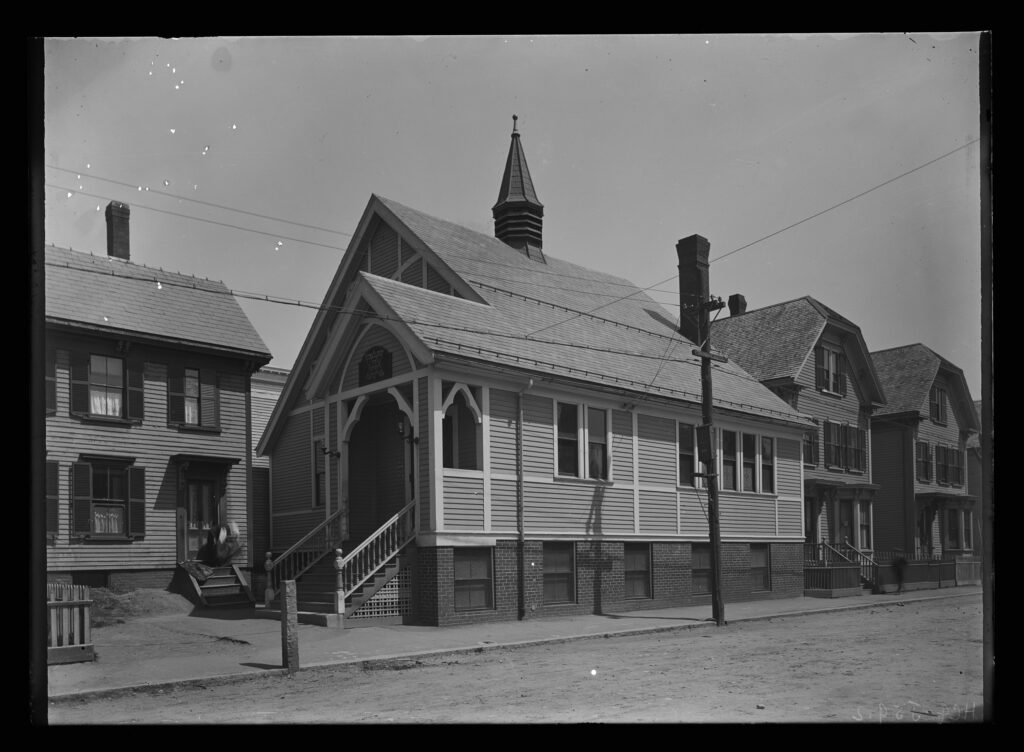
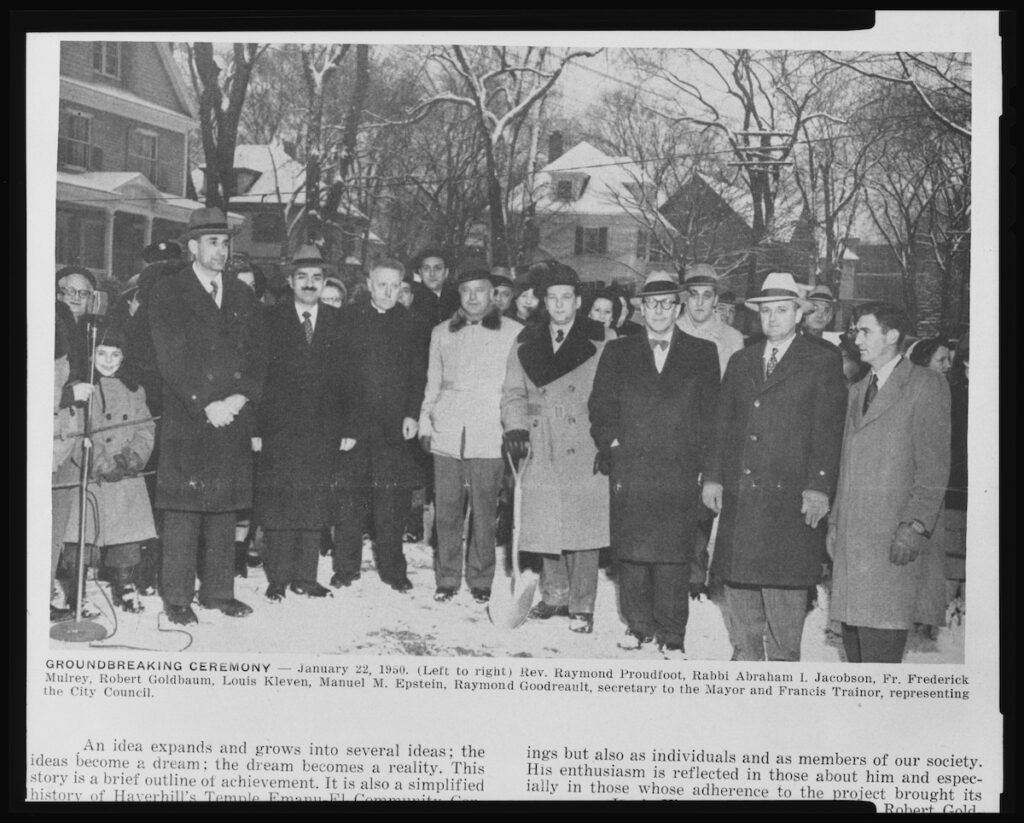
The use of minyans was crucial to keeping community bonds strong until the founding of the first synagogue, Ahavas Achim Synagogue on Shepherd Street, which had a small but active congregation of Russian immigrants by 1916. Temple Beth Jacob, built on River Street in 1923, followed. By the 1920s, the city’s Jewish population had also begun to spread out from Mount Washington, moving uptown to Main Street and the Highlands area. These more established workers were eager to see a modern synagogue in their new neighborhood. In 1937, the community purchased a former Methodist church at 514 Main Street and converted it to Temple Emanu-El, the largest Jewish congregation in the city. The area’s first full-time rabbi, Rabbi Abraham I. Jacobsen, arrived in 1939 to lead the temple through its formative years, and remained at his post for nearly forty years. Rabbi Jacobsen oversaw a major expansion in 1950 as Temple Emanu-El transformed into a large community center with classrooms, offices, a chapel, a library, and an auditorium/gymnasium. As a religious and community leader, Rabbi Jacobsen helped define spiritual and communal life for generations of Jewish people in Haverhill and the surrounding region.
Although Temple Emanu-El closed its doors in the spring of 2025, Haverhill remains home to a large and active Jewish community with deep historical ties to the city. The Anshe Sholom Chabad of Greater Haverhill is now the area’s primary synagogue, observing Shabbat services and holidays, as well as providing Hebrew school and other community services. Led by Rabbi Zalman Borenstein, the Chabad center’s mission is “to develop a sense of community, to enhance the experience of being Jewish, to learn and to have fun.” This simple declaration marks the progress of an American journey that began more 130 years ago, in hushed tones and shuttered storefronts, when Jews seeking peace and freedom remained determined to keep the lights of their community burning in every season.
Written by Eleanor Martinez-Proctor, Study Center Research Fellow
Sign up to our newsletter for our latest news and events