

“It is better to preserve than to repair, better to repair than to restore, better to restore than to reconstruct.”
– Adolphe Napoleon Didron (1839)
In addition to these national standards, Historic New England’s Preservation Philosophy guides the different treatment needs and ideologies of resources under our care, including landscapes, buildings, structures, archaeological resources, objects, and archival material.
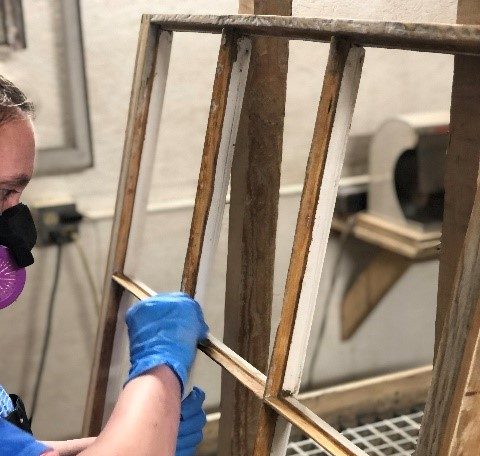
The first of the four treatment approaches, preservation, “focuses on the maintenance and repair of existing historic materials and retention of a property’s form as it has evolved over time.” Preservation advocates for minimally invasive approaches where the least amount of material is replaced. Not only is this preventative approach ideal for museum properties and private homes alike, but also its emphasis on the retention of existing material is more sustainable and environmentally friendly than wholesale replacement. We recently completed a project to refurbish deteriorating windows at Castle Tucker in Wiscasset, Maine. Instead of installing all-new sashes, we consolidated the existing fabric and did in-kind replacements only as needed, preserving the details, craftsmanship, and material for years to come.
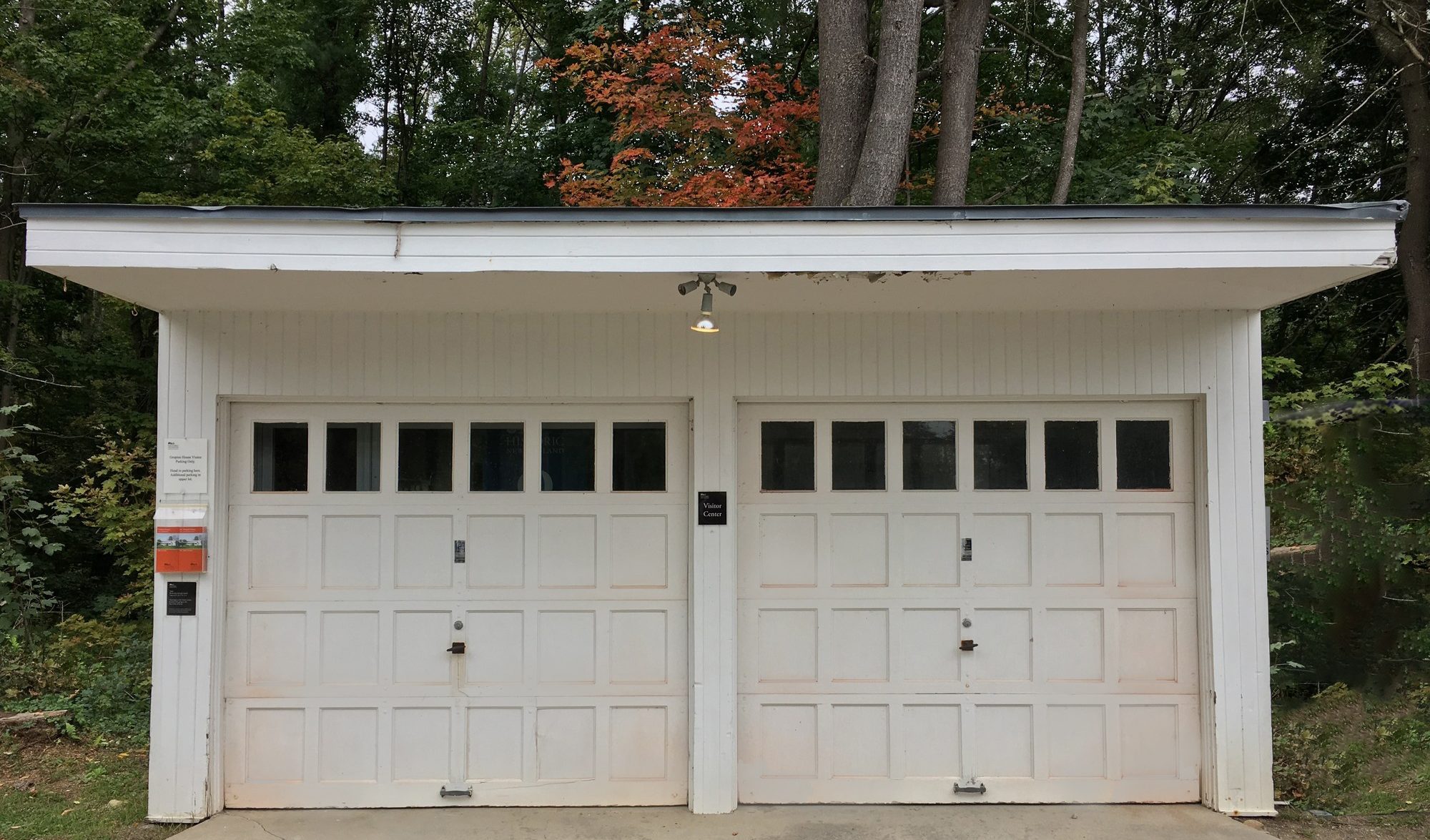
Modern living standards and accessibility needs make rehabilitation an all-important preservation technique. Rehabilitation acknowledges the need for buildings to adapt to their users’ needs. In some cases, adaptive reuse is the only way to keep a building in use and occupied, saving it from benign deterioration or demolition. Homeowners frequently use rehabilitation when they update their kitchens and bathrooms, construct an addition, or add solar panels to their homes. Under the rehabilitation treatment approach, the important part is introducing sensitive changes that respect the historic building fabric and form. If done correctly, adaptations add to a building’s history instead of destroying it. At Historic New England, we used a rehabilitative treatment when converting the Gropius House garage in Lincoln, Mass., into a visitor center in 1997. The design, “a box within a box,” allows the garage to be preserved, while the space functions as a visitor center without impacting the historic building. It is also reversible if site needs change in the future.
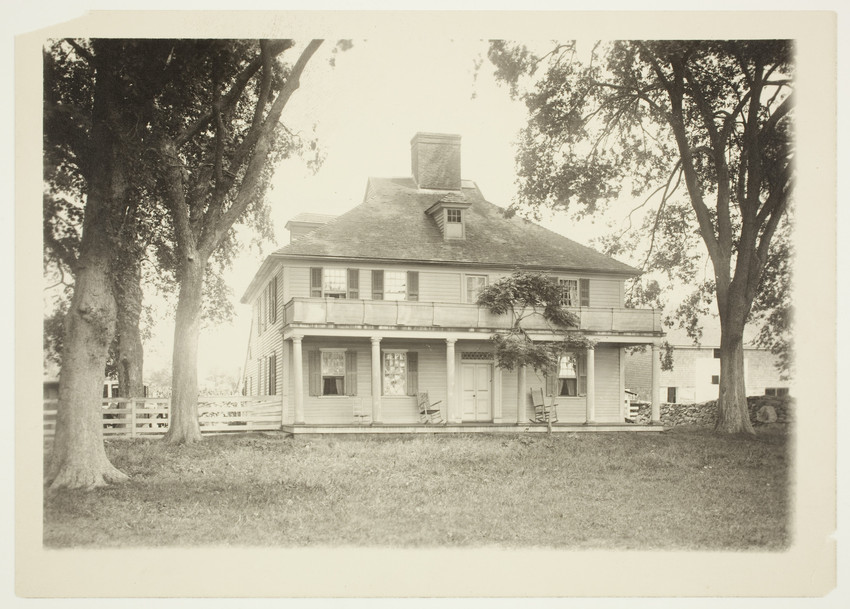
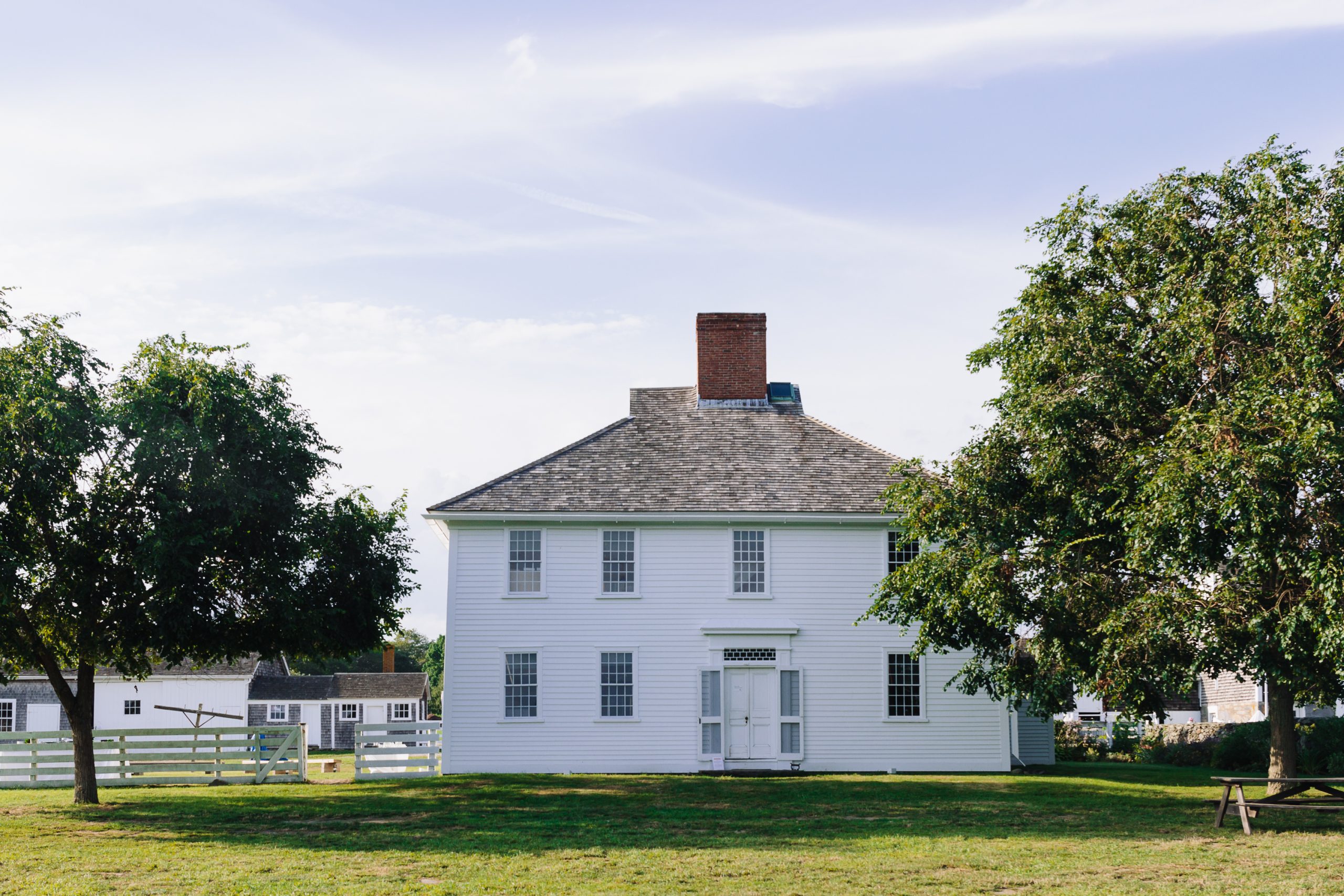
The Secretary of Interior’s Standards for Preservation identify restoration as “depict[ing] a property at a particular period in its history, while removing evidence of other periods.” In the 1950s, the then-owners of Casey Farm in Saunderstown, R.I., took a restoration approach to return the farmhouse’s exterior to its eighteenth-century appearance. Guided by our preservation philosophy, Historic New England would have retained the later porch and dormers as significant additions that tell the story of the building’s evolution, respecting changes over time.
On a smaller scale, restoration is often used selectively to refurbish individual features that have been insensitively altered or have deteriorated with age. Restoration should only be done with evidentiary references to maintain the building’s historic integrity.
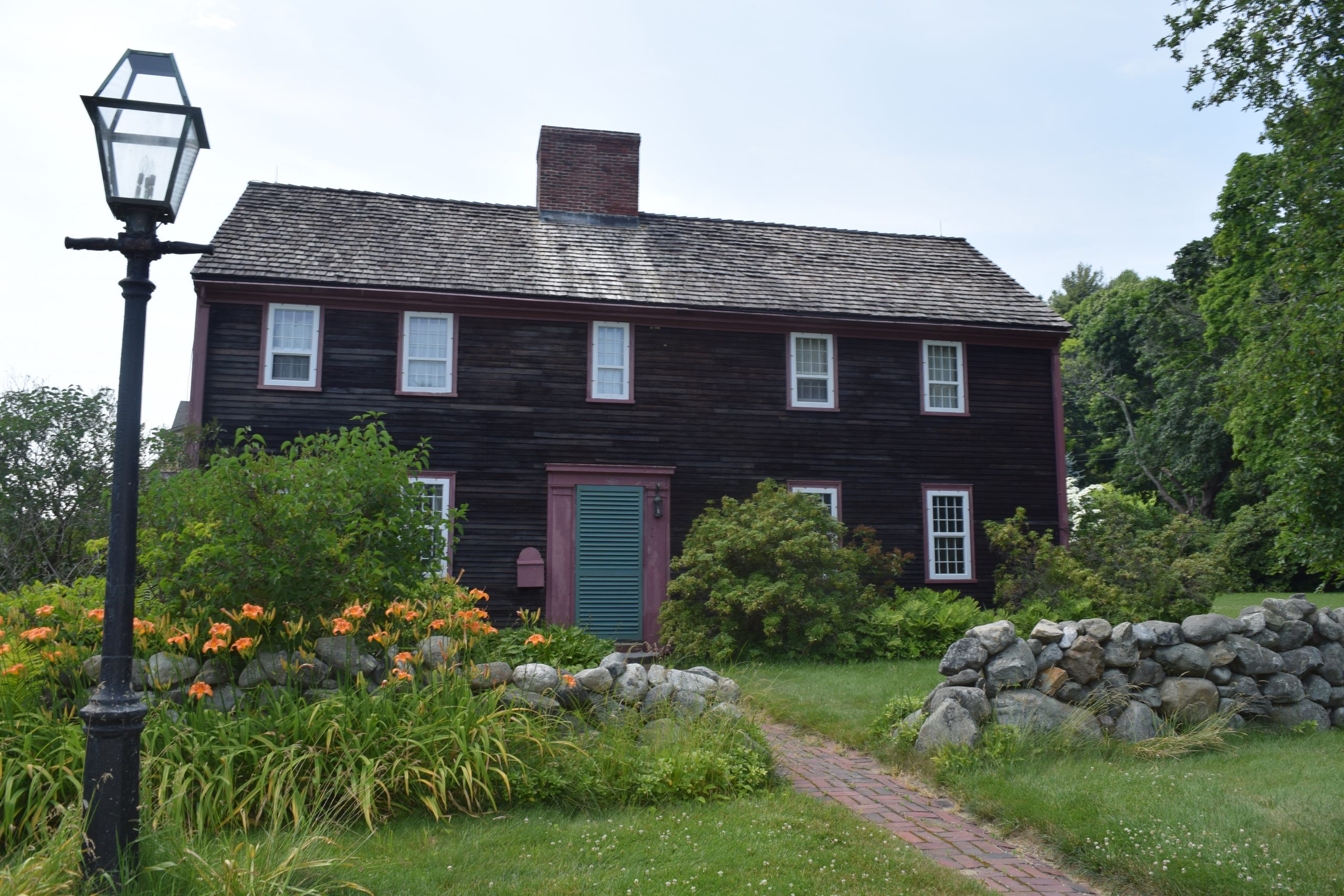
This final treatment approach rebuilds non-surviving portions of a structure. Reconstruction is mostly used for individual features that may have been lost previously, such as a porch or balustrade. Very rarely is a whole building reconstructed today because, without strong evidence, it may depict a structure that never truly existed. Seddon Tavern, a privately owned property protected under Historic New England’s Preservation Easement program, is an example of a completely reconstructed tavern. In 1940, the owners meticulously constructed this structure to resemble a 1728 tavern that once stood on this site.
Sign up to our newsletter for our latest news and events