
Across New England and beyond, bronze markers quietly tell the stories of enslaved individuals whose lives shaped the communities we live in today. These markers are the work of Stopping Stones and Witness Stones, memorial projects now part of Historic New England’s Study Center under the umbrella of our Recovering New England’s Voices initiative.
Inspired by Stolpersteine, Stopping Stones is a public art initiative that honors enslaved Americans by placing permanent markers where they lived and worked. Each marker records a name, a story, a life, giving communities a tangible way to remember and reflect. Every installation is accompanied by ceremonies, conversations, and outreach that bring neighbors, schools, and descendants together. By pairing public art with community engagement, the program encourages dialogue about the history of slavery, racial injustice, and the legacies that shape New England today.
Stopping Stones’s new chapter at Historic New England also carries forward the work of Witness Stones. Founded in Connecticut, Witness Stones has installed more than three hundred markers in six states and developed a curriculum that guides students through researching local archives, uncovering the lives of enslaved people, and sharing their findings through art and public ceremony. By joining Historic New England as Stopping Stones’s educational arm, Witness Stones’s approach—combining scholarship, teaching, and community dialogue—will now reach even more schools and neighborhoods nationwide.
As part of Recovering New England’s Voices, the Stopping Stones program and Witness Stones Project are ensuring that remembrance is paired with learning, reflection, and ongoing dialogue. With Historic New England’s support and network of historic sites, their work will connect even more people with the hidden histories embedded in our towns and landscapes. Whether through a classroom lesson, a new marker installation, or a community ceremony, these efforts invite reflection, dialogue, and action.
Members and friends can get involved by proposing a site for a marker, collaborating on an installation ceremony, mentoring student researchers, or supporting this work financially. Stopping Stones will also be featured at Historic New England’s 2025 Summit—an opportunity to meet the team and learn how small markers are sparking big conversations about our shared past.
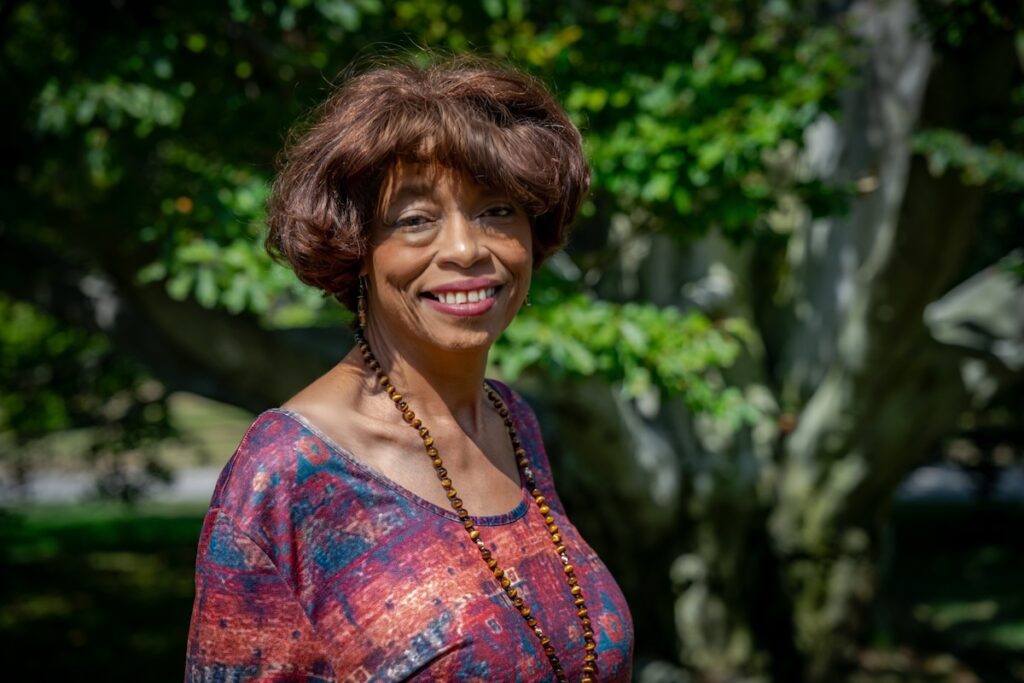
Pat Wilson Pheanious, Program Director
Pat Wilson Pheanious, a Connecticut native and attorney, has served as Commissioner of Social Services and as a State Representative (2018–2021). In 2017, research by the founder of the Witness Stones Project uncovered five generations of her enslaved ancestors, reshaping her life and inspiring her leadership. She became the Project’s founding Board Chair in 2019 and Executive Director in 2024. Pat now leads Stopping Stones’ national effort to engage communities in recovering history and honoring enslaved people, like her own ancestors, who built America and fought for its freedom before securing their own.
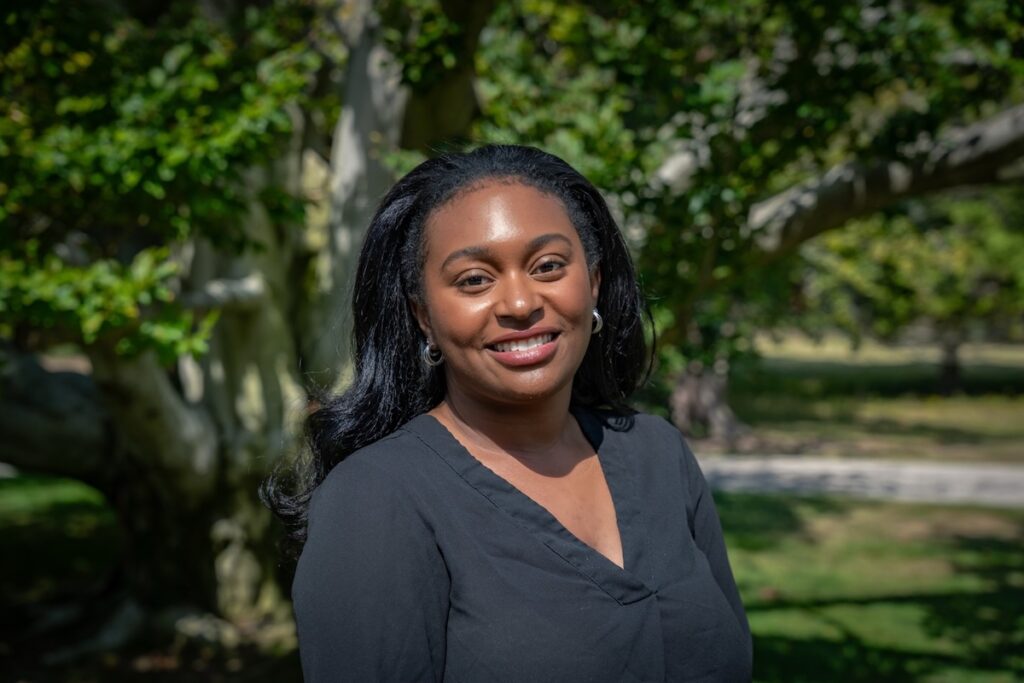
Mikayla Harden, Assistant Director and Researcher
Mikayla Harden holds degrees from the University of Texas at Austin and the University of Delaware and is currently completing her doctorate at the University of Delaware, where her research focuses on the lives of enslaved Black children in eighteenth-century New York. Before joining Historic New England, she served as a leadership consultant with a Black maternal health organization, where she advanced equity-driven initiatives.
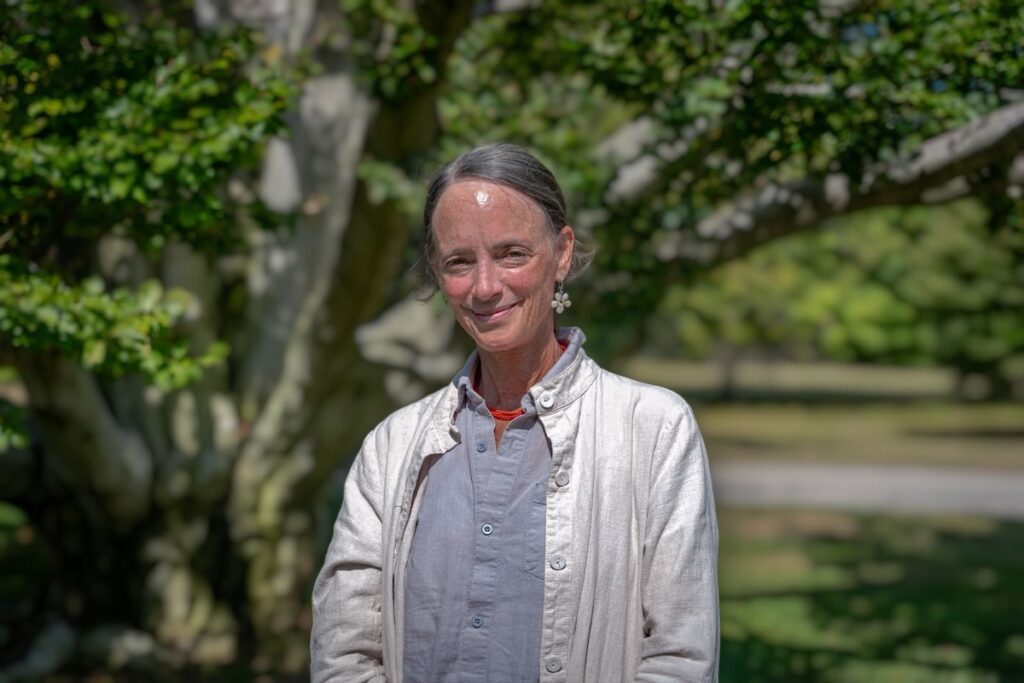
Liz Lightfoot, School and Youth Program Manager
Liz Lightfoot is journalist-turned-educator who has spent her career working for news organizations, schools, and nonprofits. She came to Historic New England from the Witness Stones Project, where, as operations manager, she worked with schools and community groups to restore the history and honor the humanity of enslaved individuals who helped build their communities. At Stopping Stones, she continues to use Witness Stones’ award-winning curriculum to help others engage in deep explorations of historical records with a goal of remembering and celebrating individuals their community had forgotten.
For more information about Stopping Stones, markers, or educational programming, contact Info@StoppingStones.org. Visit our website to make a donation to support this vital work.
Sign up to our newsletter for our latest news and events