
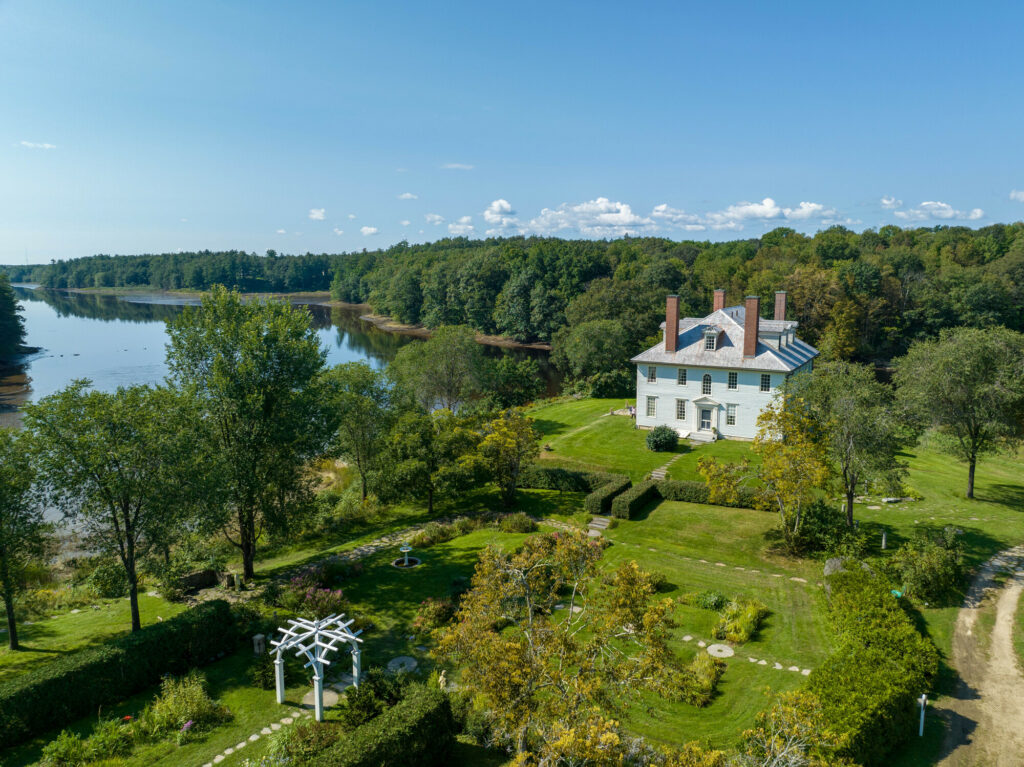
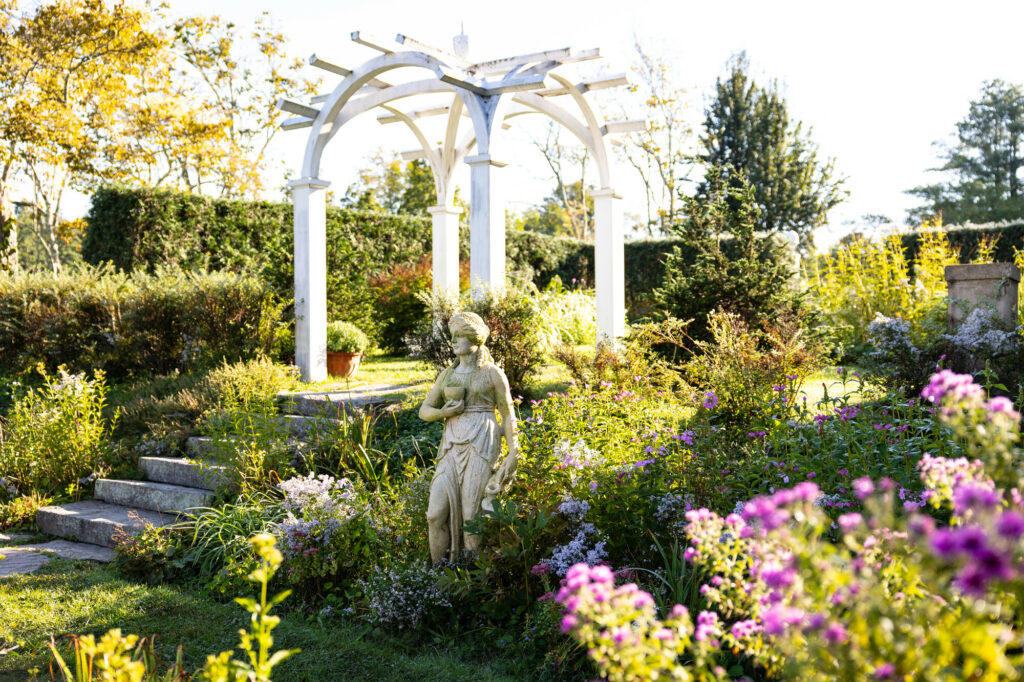
One of the first things visitors notice when they arrive at Hamilton House in South Berwick, Maine, is the home’s striking landscape and gardens. Lush greens and pops of bright blooms give way to the crisply painted house poised in front of a picturesque view of the Salmon Falls River. The garden was beloved by the home’s final occupants, Emily Tyson and Elise Tyson Vaughan. Bringing the outside in, they often used seasonal blooms from their garden to create floral arrangements to brighten their home.
This year, Historic New England introduced a new installation to help tell both the broad history of flower arranging in the United States and the personal story of Emily and Elise’s deep connection with the art form—both of which you can see through the collection of photographs, ephemera, and objects donated by the family.
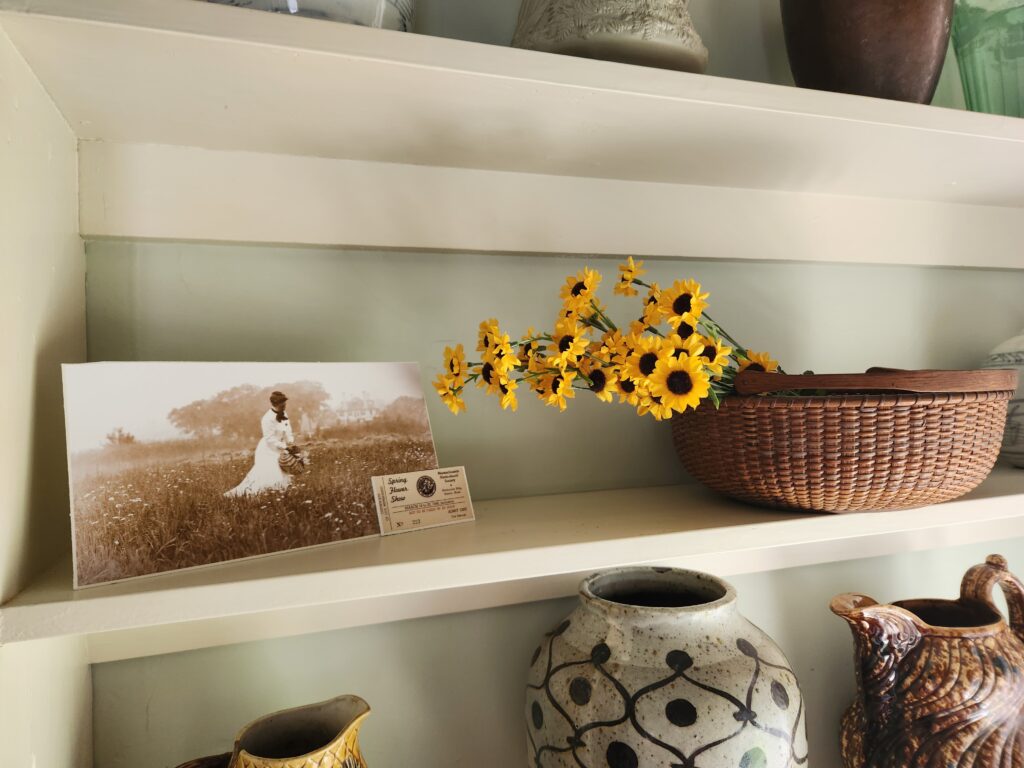
In the nineteenth century, flower arranging became a popular pastime and art for many middle- and upper-class American women. Beginning around the Civil War, books and magazines featuring articles on housekeeping, such as Godey’s Lady’s Book, promoted flower arranging as a skill young women should be expected to learn and offered conventional standards and advice for floristry. By the end of the nineteenth century and into the first few decades of the twentieth century, the popularity of and advice about floral arranging blossomed. Magazines like Ladies’ Home Journal, Better Homes and Gardens, House Beautiful, and Town & Country, among others, regularly published articles on the various ways to choose flowers, what vessels and vases worked best, tablescaping with flowers, starting a garden club, participating in competitions, flower shows, ordering flowers, growing flowers, how to keep cut flowers fresh, and how to photograph flower arrangements.
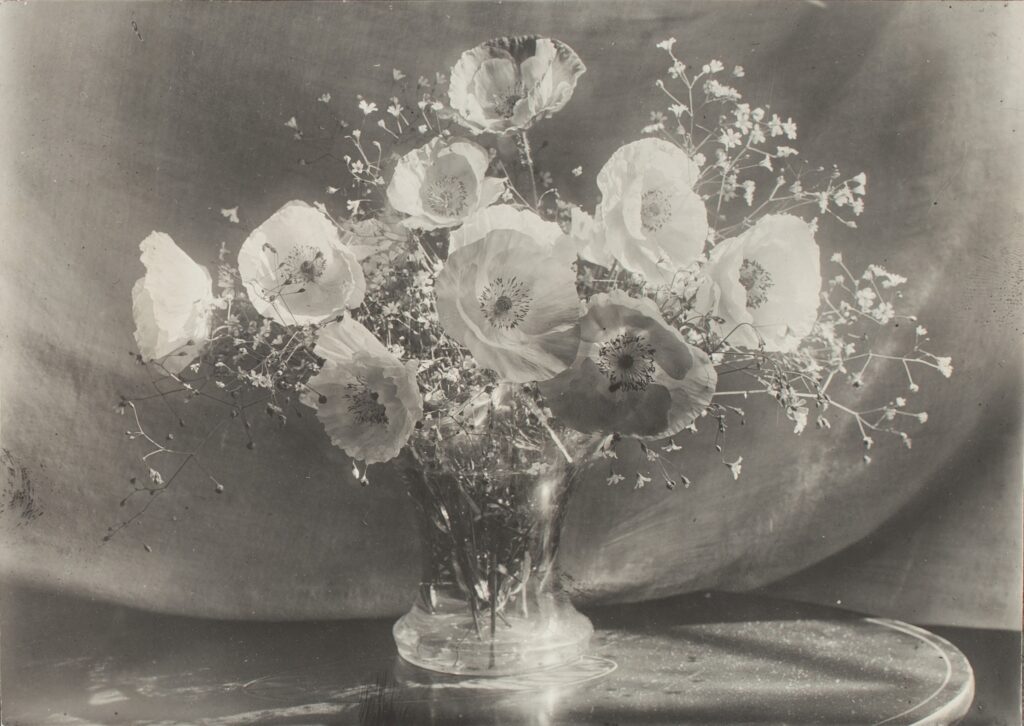
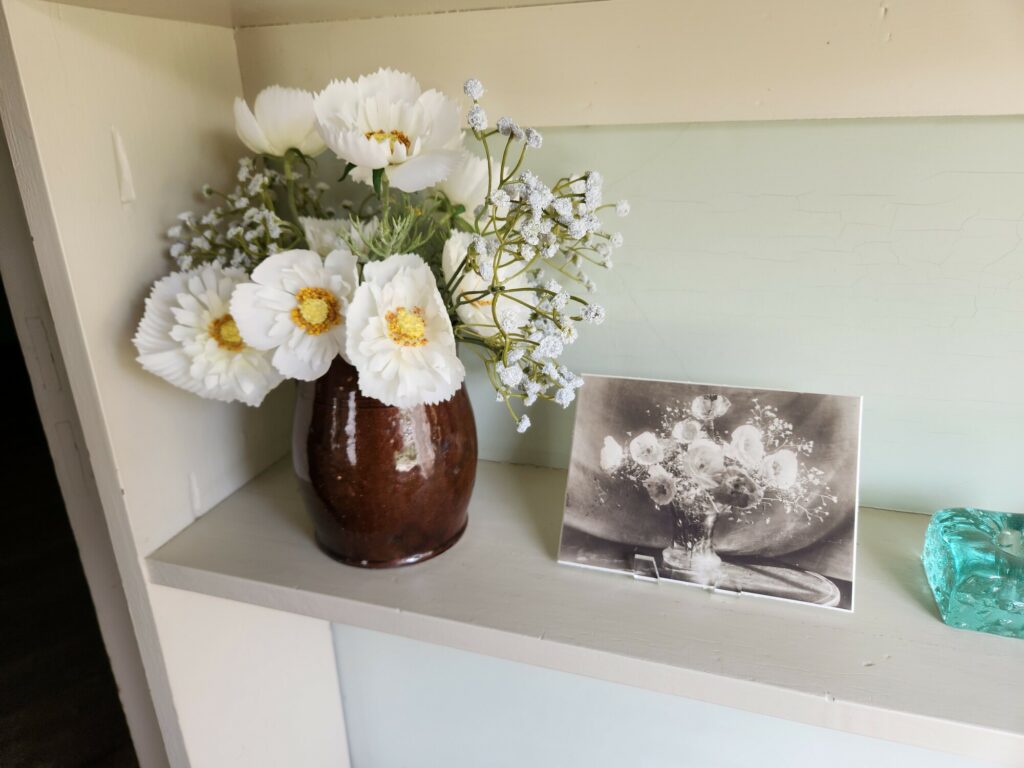
We know from tickets, notes, and signage left by the family that Emily and Elise participated in local garden clubs and went to flower shows along the East Coast. Elise was a talented amateur photographer who captured many photographs of the gardens, as well as their flower arrangements, throughout the house. Unlike many wealthier women who went to florists to purchase flowers, Emily and Elise appear to have relied on local plants found in their gardens and the Maine landscape. They planted and picked forsythia, black-eyed Susans, baby’s breath, poppies, hollyhocks, iris, milkweed, hosta blooms, and apple blossoms.
To help bring this history to life, visitors will now see close-to-photo-accurate faux floral arrangements throughout the first floor of the house. As the landscape gives way from spring and summer into fall and winter, the arrangements will change to reflect the flowers in bloom during those seasons—just like they did in Emily and Elise’s time. A small installation with additional arrangements, photographs, ephemera, and the various vessels that they used for their flowers is now featured as part of the tour.
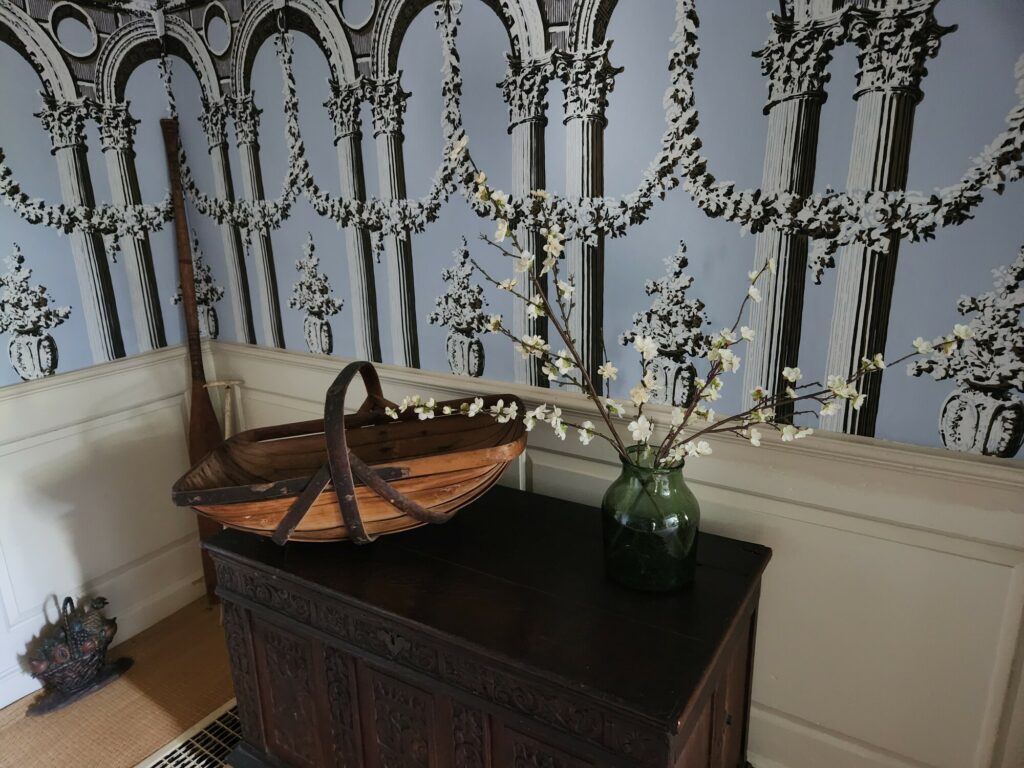
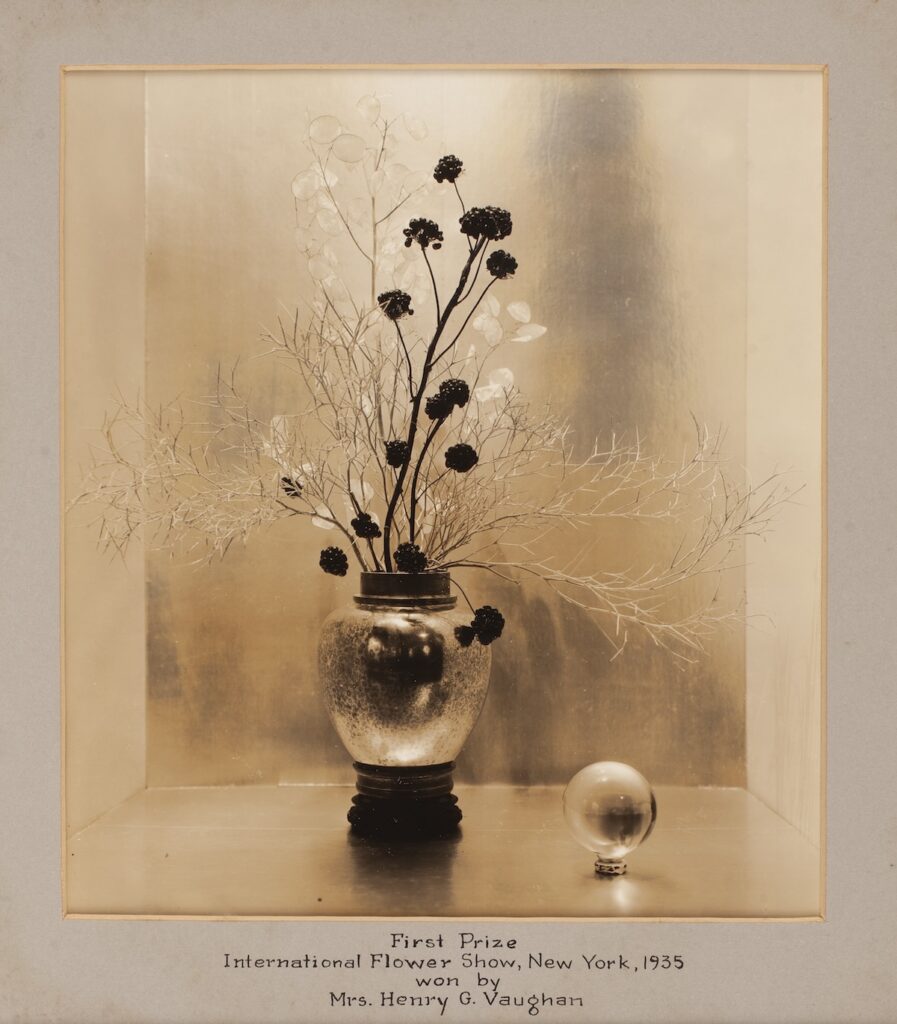
What some may find particularly fascinating is Emily and Elise’s interest in the art of Japanese floral arranging, known as Ikebana. Americans’ love for Japanese art and culture was part of a larger trend known as Japonisme. Japonisme, a French term used both in its time and today, described the immense popularity of Japanese art and design that spread across Europe and the Americas in the latter half of the nineteenth and early decades of the twentieth century after the forced reopening of foreign trade with Japan in the 1850s. Ikebana is characterized by asymmetry, often sparse arrangements, and emphasis on not just the flowers, but the stems. Emily and Elise owned books on Ikebana and would have been familiar with the style. Some of the photographs Elise took of various arrangements throughout the house, as well as her award-winning arrangement, show the influence of the Japanese style.
Written by Dr. Nora Ellen Carleson, Curator of Fashion and Decorative Arts
Sign up to our newsletter for our latest news and events