
The origin of Halloween is not completely known, but it is generally accepted that the celebration began with the Celtic pagan holiday of Samhain. This holiday celebrates the beginning of winter, a time of year when the veil between the lands of the living and the dead is particularly thin. People wore costumes to ward off evil spirits, a practice that came to the United States with increased immigration from Ireland in the 1840s.
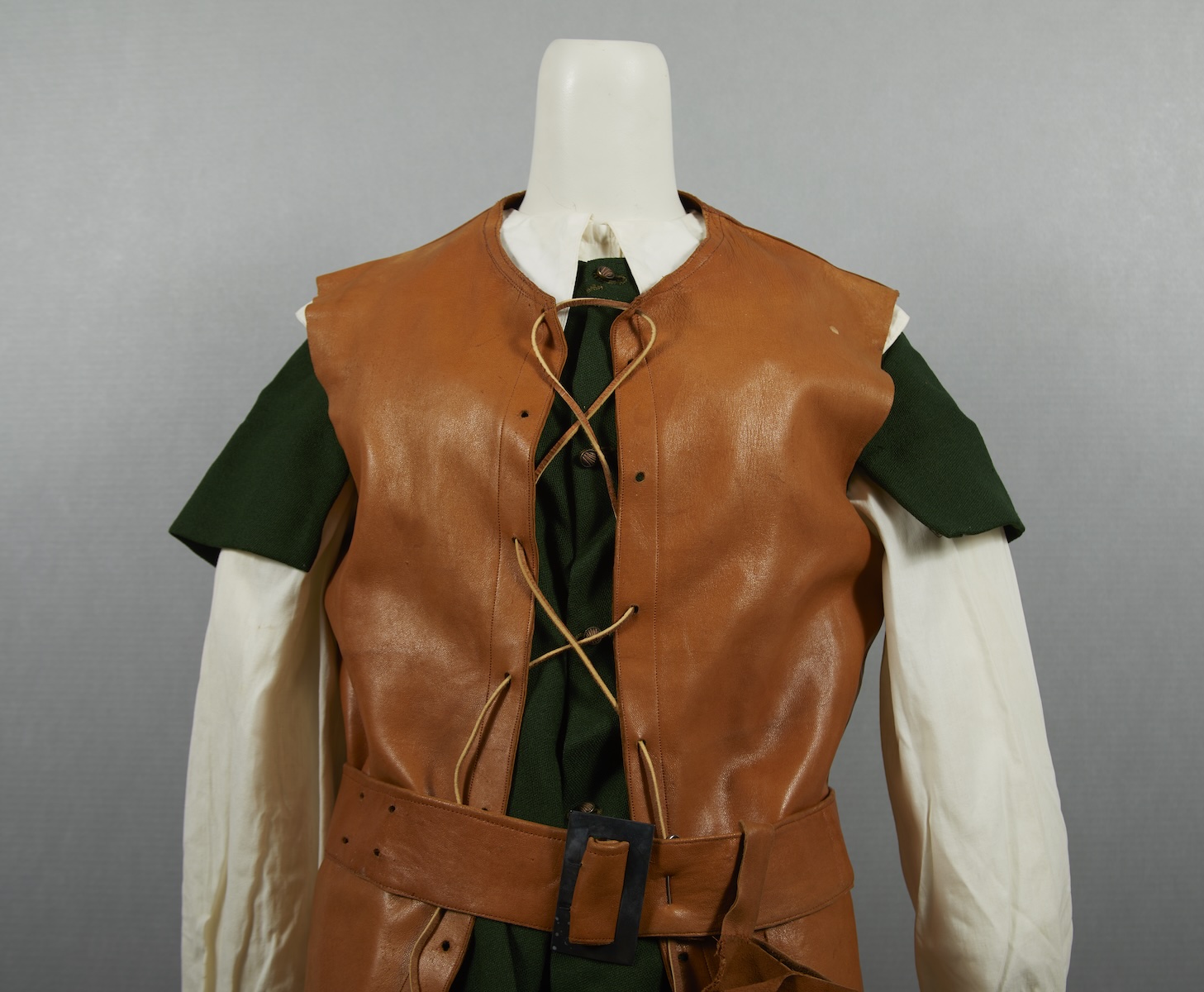
Halloween is a cherished tradition in American culture, offering both children and adults the rare chance to dress up in costumes or disguises. It bridges the nostalgic with the modern, combining past traditions with current pop culture influences. Today’s costumes often reference movies, TV shows, or memes, but this reflects a significant shift in costume styles over the past century. The evolution of Halloween attire mirrors broader changes in tastes, creative expression, and even technology.
Costumes in the early nineteenth century still leaned toward spooky themes designed to cause a genuine fright. Until the 1930s, in fact, children and teens spent the holiday playing tricks on each other and adults, making anonymity a priority and prolonging the practice of wearing ghoulish disguises. Popular choices were ghosts, witches, or demons, in addition to the general portrayal of “the night” and the ubiquitous black cat. The purpose of these costumes, which were primarily a combination of masks and aprons, was to conceal the identity of the wearer.
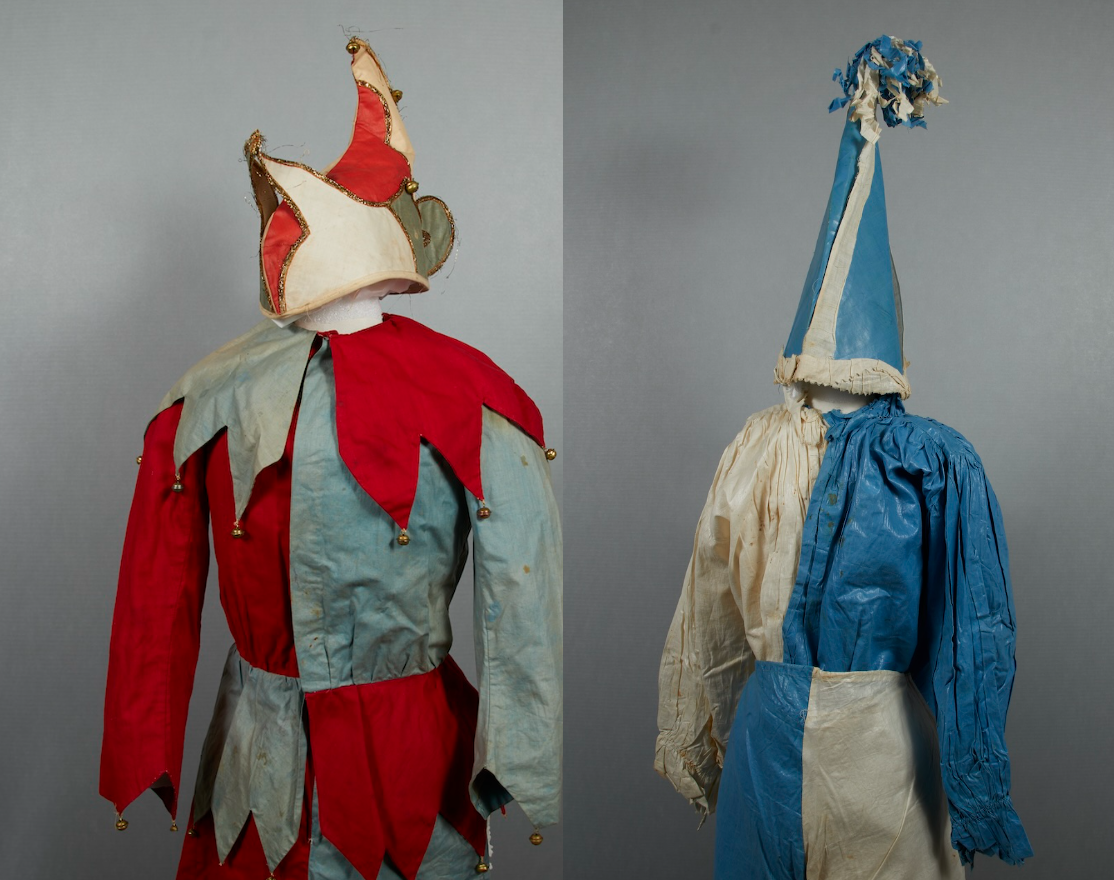
During the Great Depression, communities worried about violence and vandalism began offering alternative activities for youth, including passing out candy and costume parties. With an emphasis on wholesome, family-friendly activities at Halloween, children and teens began to choose costumes more in line with their interests. New licensing from entertainment companies, in turn, led to rising popularity in costumes for characters such as Popeye and Mickey Mouse, in addition to the already popular monsters, princesses, and clowns.
Around the same time, mass-produced costumes began to make their way onto the market. Sears and other big box stores began selling ready-made Halloween costumes for children in the 1930s. however, due to the Great Depression, many people could not afford these luxuries and opted to make their costumes at home using household products or patterns, a practice that continues to this day. The end of the Depression and the economic upswing after World War II made ready-to-wear Halloween costumes more affordable in the 1950s.
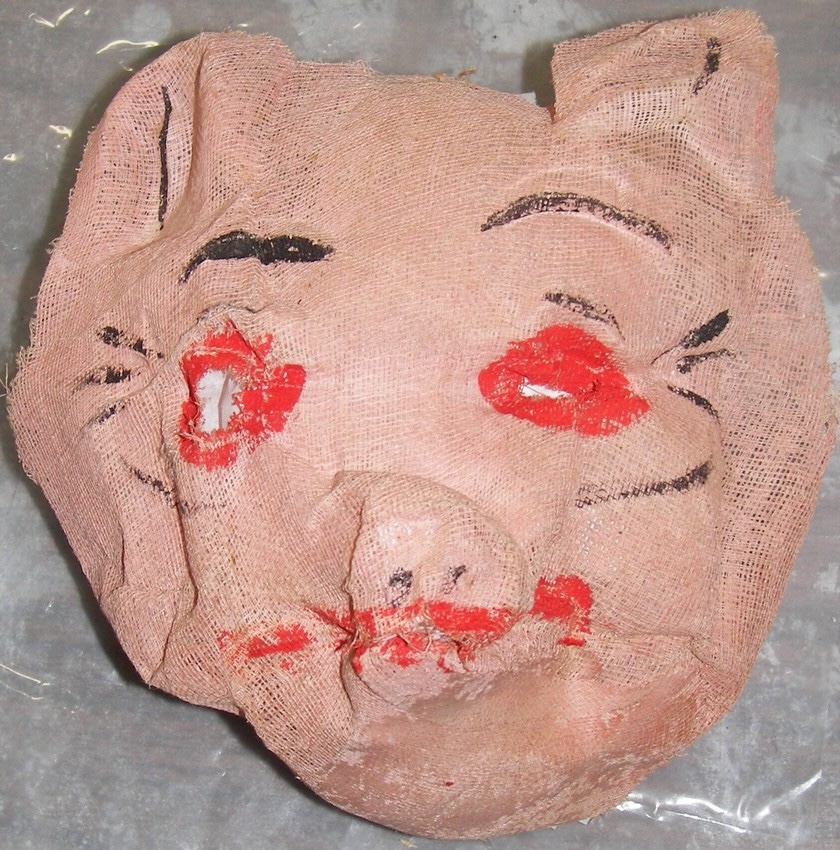
The rise of affordable store-bought costumes, coupled with the growing influence of television, opened a world of new inspiration. TV Westerns created demand for cowboy costumes, while the popularity of comic books fueled interest in dressing up like Batman and other superheroes. As pop culture references expanded in the latter half of the twentieth century, so did costume variety. Presidential masks, like the iconic Nixon mask, became popular in the 1970s. The 1980s—an era of slasher films–brought new styles of scary costumes for children and adults, both homemade and store-bought.
Twenty-first century costumes are even more entrenched in pop culture, whether through direct references or “joke” costumes that involve some sort of word play. The purpose of a Halloween costume in the modern era is often to show off individuality or creativity, as opposed to the desire to remain anonymous. However, classic choices such as witches, ghosts, and cats remain as popular today as they were in the early twentieth century. Pop culture references come and go, but it seems we still love a good, old-fashioned scare on Halloween.
Written by Julia Foster, Assistant Registrar
Sign up to our newsletter for our latest news and events