
Sustaining Our Past, usually written by Historic New England’s Director of Sustainability Joie Grandbois, explores Historic New England’s climate action efforts and highlights how we’re adapting historic sites to meet the challenges of a changing environment. This month, Climate Action Intern Riley Flannery, who is working with Joie this fall, takes over for a guest post about the power of radical hope for changing the climate conversation.

When it comes to the natural environment, the news we see online is often pessimistic. It is easy to get overwhelmed by the constant stream of negative climate news we see on a daily basis. It can help to remember bad news always makes a better story, no matter what it’s about. However, that doesn’t mean that good news doesn’t exist. It does! There’s good news happening every day, it just might take some more digging to find, because fear garners more views than hope does.
I am a recent graduate from Connecticut College, with a BA in Environmental Studies and English. I’m not quite sure what I want my career path to look like, but I do know I belong in the environmental sphere. Still, it’s a daunting field, especially now. Everywhere I turn, there is more bad news about our natural environment. But I don’t let that deter me; if anything, it’s part of why I chose to work in this field.
I do climate work every day, which is exactly where I want to be. As Historic New England’s climate action intern, I have completed research on renewable energy sources for all Historic New England properties, I am drafting a resilience assessment for Hamilton House in South Berwick, Maine, and I have written this post! Everything I’ve worked on has impacted the climate positively in some way, which gives me great joy.
Choosing to think positively about climate change and the future is actually the first step toward taking action. It’s normal to feel overwhelmed about climate change, and for that feeling of powerlessness to result in a lack of action. Many view climate change as too big, or too scary, for them personally to be able to do anything about it. Reading positive climate news can help change that feeling, so here are some encouraging stories from around New England:
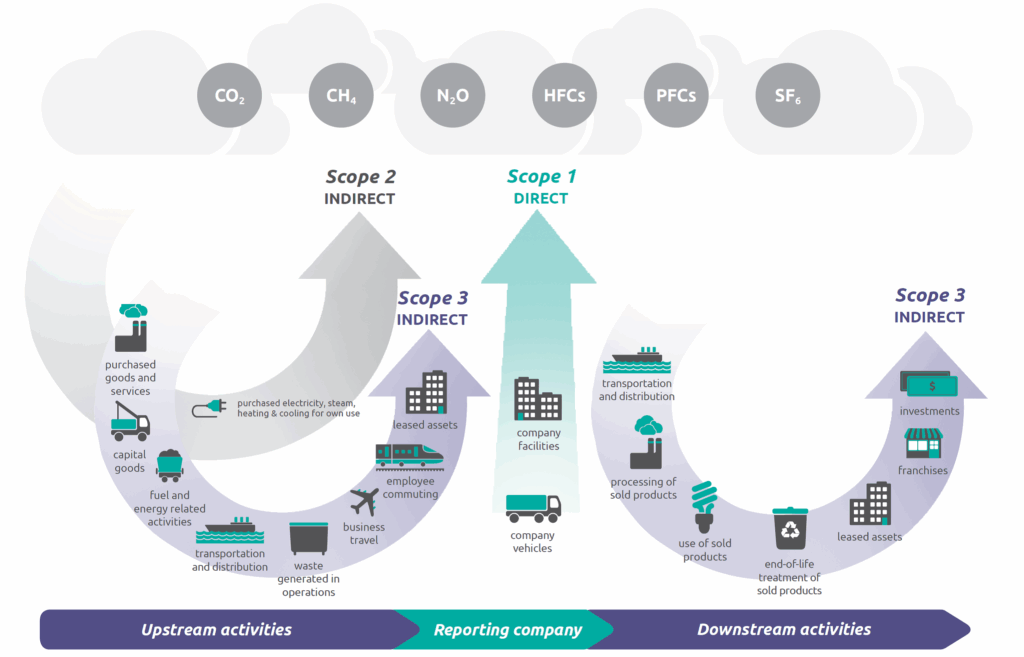
Historic New England, too, has plenty of positive climate news to share. A critical goal for the organization is to preserve sites in preparation for our changing climate, which can be seen through assessing our sites to make them resilient in the face of climate change (be sure to check out coastal resilience planning for Sayward-Wheeler House!). Additionally, there are advancements when it comes to tracking emissions. Historic New England has long tracked Scope 1 and Scope 2 emissions. Scope 1 includes direct emissions from sources the organization owns or controls, such as company vehicles, boilers, and furnaces. Scope 2 covers indirect emissions from purchased energy like electricity and heat. This year, for the first time, Historic New England is also tracking Scope 3 emissions, which are indirect emissions that occur across the organization’s broader activities, such as those from business travel and suppliers. Building resilience and tracking emissions is Historic New England’s way of helping to lessen the impact of climate change going forward. In short, the overall goals of Historic New England align with positively impacting our climate, which is some good climate news right there.
By choosing to have hope in the future, we take the first step to tackle our changing climate. Fear is a primary motivator for what holds us back. Choosing to have hope, again and again, will prime each of us to take further action, as we become more comfortable thinking about climate change. So, I challenge you: Have hope in the future. Dare to believe that there are others who care just as much as you do. Talk to your neighbors and share a positive climate story. Have faith that climate action happens every day, sometimes right under our noses, we just have to look for it.
Written by Riley Flannery, Climate Action Intern
Sign up to our newsletter for our latest news and events