
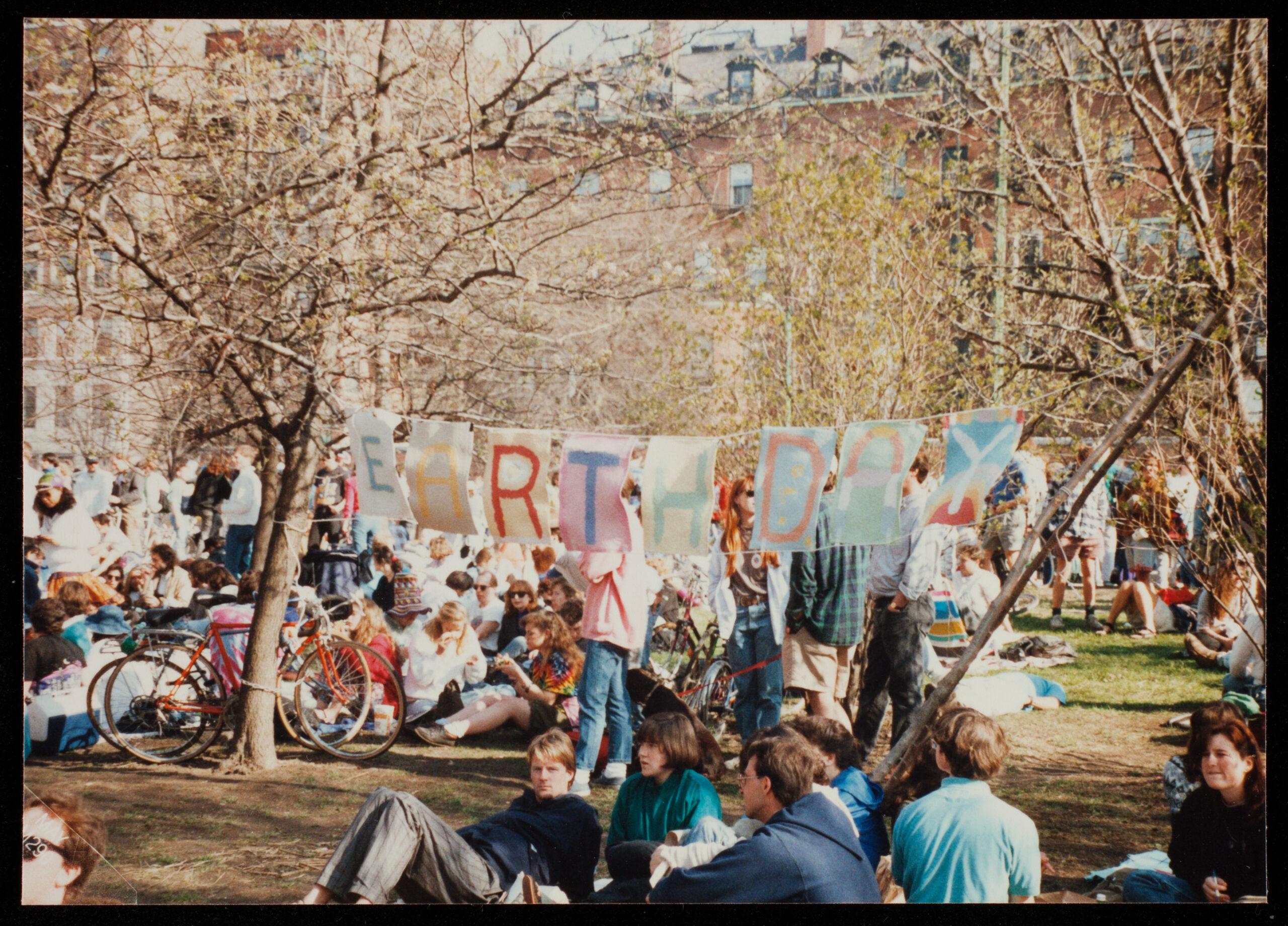
Welcome to Earth Month. Over April’s thirty days, we will see an abundance of articles, news segments, blog posts, and podcasts that turn towards the subject of how we can all live more earth-friendly lives. There will be all kinds of advice about reducing food waste, taking public transit, recycling, and signing up for renewable energy. As someone who works in the sustainability field, I’m often called upon to give a talk about this very subject (and I will be doing one with a bit of a history twist on April 22), but no matter what actions I recommend, when it comes time for the Q & A part of the presentation I am asked the same question nearly every time: Do any of the actions I take as an individual actually make a difference?
It isn’t an unreasonable question. We are all starting to see the impacts of climate change through increased wildfires, warmer winters, stronger storms, and longer periods of drought. We’ve also seen a lot of news about how some of the actions many of us regularly take, such as recycling, may not be as effective as we thought. The problem can also feel overwhelmingly huge, leaving us feeling a bit like anything we do is just a tiny drop in very large bucket.
My answer to this question is, Yes, any action you take matters.
First, every bit of warming we can reduce matters, which means every bit of emissions we can reduce matters. Whether you are choosing to drive less, reduce your meat consumption, or enact energy efficiency measures in your home, you are not doing it alone. The majority of Americans (64%) are worried about climate change. That’s about 217 million people in the United States who think we should be doing something, and if only half of those take some sort of action, that’s over 100 million people doing what they can, just as you are. That adds up.
In addition, many of the actions we take have impacts beyond just emissions reduction. Every mile we drive less, and every oil or gas furnace we replace with a heat pump, has the immediate impact of reducing the air pollution produced in our neighborhoods. When we reduce our food waste, or choose to repair something instead of replacing it, that is one less bit of waste going into our landfills or incinerators. And none of these actions take place in a vacuum: When people see others taking action, they are more likely to do something too. A 2024 study showed a major factor that contributed to people installing solar panels on their homes was seeing others in their neighborhood doing it.
Our choices don’t just impact our neighbors, but they can also create larger changes. From the 1970s to the early 2000s, if you wanted to buy organic food you either went to your local natural food store or farmer’s market. Today, the most popular place to buy organic food is in your regular grocery store—56% of organic foods are purchased there. The amount of farmland for organic crops or livestock increased from 1.8 million acres in 2000 to 4.9 million acres in 2021. The main driver of this was that consumers wanted it, and they expressed that desire through the choices they made when grocery shopping.
Finally, taking action feels good. While it’s not always easy to make changes and factors like income and location can have an impact on just what options are available for you to take, when you make choices that support the things that you care about it is an empowering feeling. And that’s a feeling that often leads to doing more things that have a positive benefit on you, your neighborhood, and the world.
What’s the next question I’m asked?
If my actions do indeed have an impact, what exactly are the most impactful actions I can take?
I’ll be answering that question in next week’s blog post.
Written by Joie Grandbois, Sustainability Coordinator
Sign up to our newsletter for our latest news and events