
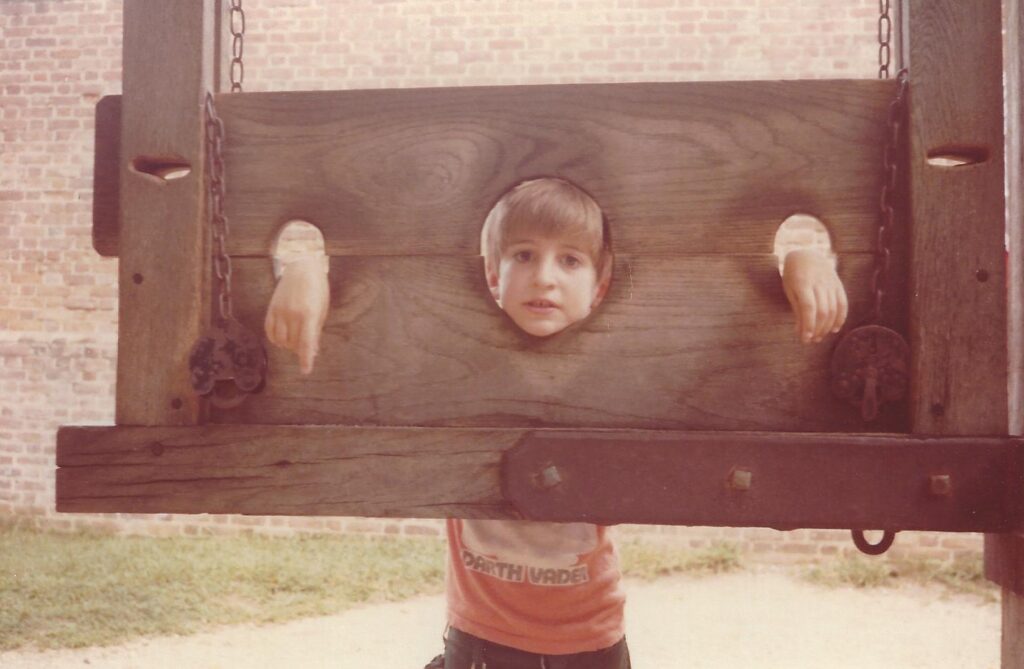
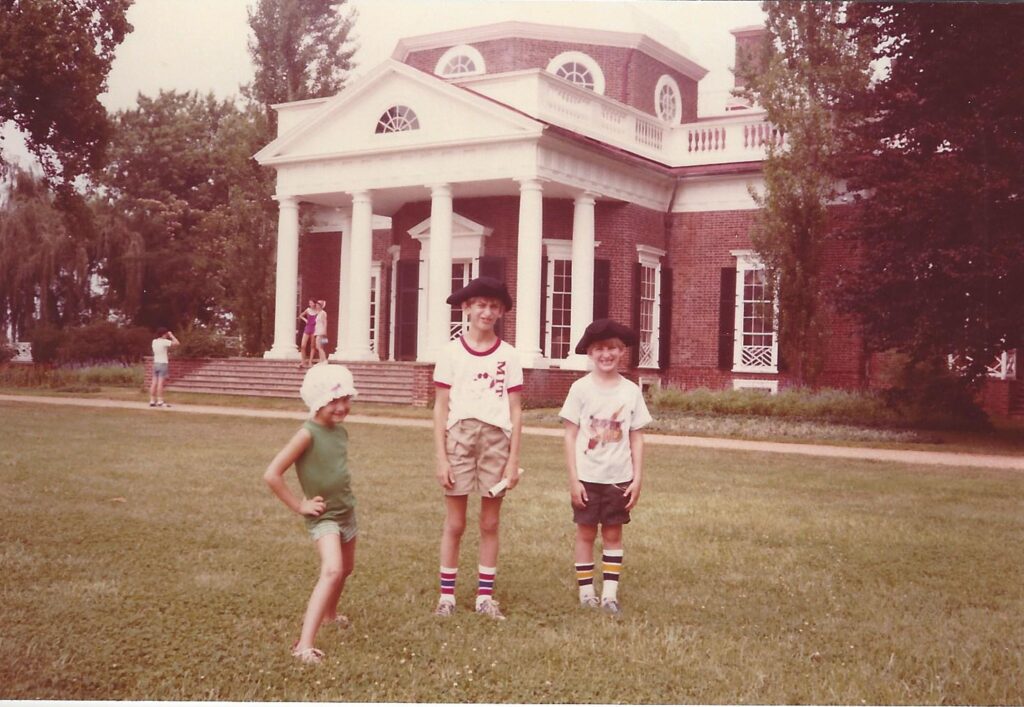
I was a young lad during the US Bicentennial—too young to remember specific details, but old enough to notice the pomp and circumstance. What I do recall clearly are family road trips in the late 1970s and early 1980s to visit historic sites still steeped in the spirit of 1976—the Liberty Bell, Monticello, Mount Vernon, Colonial Williamsburg, Fort Ticonderoga, and many others. I didn’t realize at the time that those trips were my first encounter with a pattern I would later see throughout my professional career: investment in historic preservation tends to surge around major anniversaries, when attention and funding align, and then recede just as quickly once the commemorations end.
Fast-forward to my college years. At Haverford College, just down the road from Valley Forge (which we visited on one of those family vacations, of course), there was only one major for me: history. I had been groomed for it from a young age. My focus sharpened during my junior year seminar, where each of us selected an obscure object and spent the entire semester researching its significance—this was before Google or the internet, so that meant going to libraries and archives in person. In my case, it was a band saw sharpener used in nineteenth-century Pacific Northwest lumber mills. That experience was more formative than it might sound, because it led me to merge my interest in history with historic sites. At the University of Pennsylvania Graduate School of Design, I pursued a master’s degree in historic preservation. Echoing my junior seminar work, the building and landscapes became the objects I studied and researched.
The University of Pennsylvania is in Philadelphia, where landmarks of the American Revolution lurk around almost every corner. My first internship was cleaning a collection of original ink on vellum drawings from the 1876 world’s fair (the first to be held in the United States)—better known as the Centennial Exposition, because it coincided with the one-hundredth anniversary of the signing of the Declaration of Independence. Hundreds of buildings of all types were erected within the confines of Fairmount Park, located just a few miles from Independence Hall. Most world’s fair buildings were meant to be temporary, and for more than a hundred years, the only known records of those built for the Centennial Exhibition were photographs and written accounts—until, amazingly enough, thousands of original architectural and engineering drawings were discovered in the basement of Memorial Hall, one of the permanent structures built for the event. And here I was, inventorying and cleaning them. What an experience!
The Centennial Exposition, the Sesquicentennial International Exposition (another world’s fair held in Philadelphia, in 1926), and the Bicentennial understandably became a focus of attention for much of my time in Philadelphia. While the buildings were mostly gone from these events, they left a major footprint in the city’s landscape. In school, I wrote papers analyzing buildings like the Connecticut state pavilion (not extant) and Ohio House (still standing in Fairmount Park), a building crafted out of sandstone from different quarries in Ohio with the name of each quarry carved into the stones.
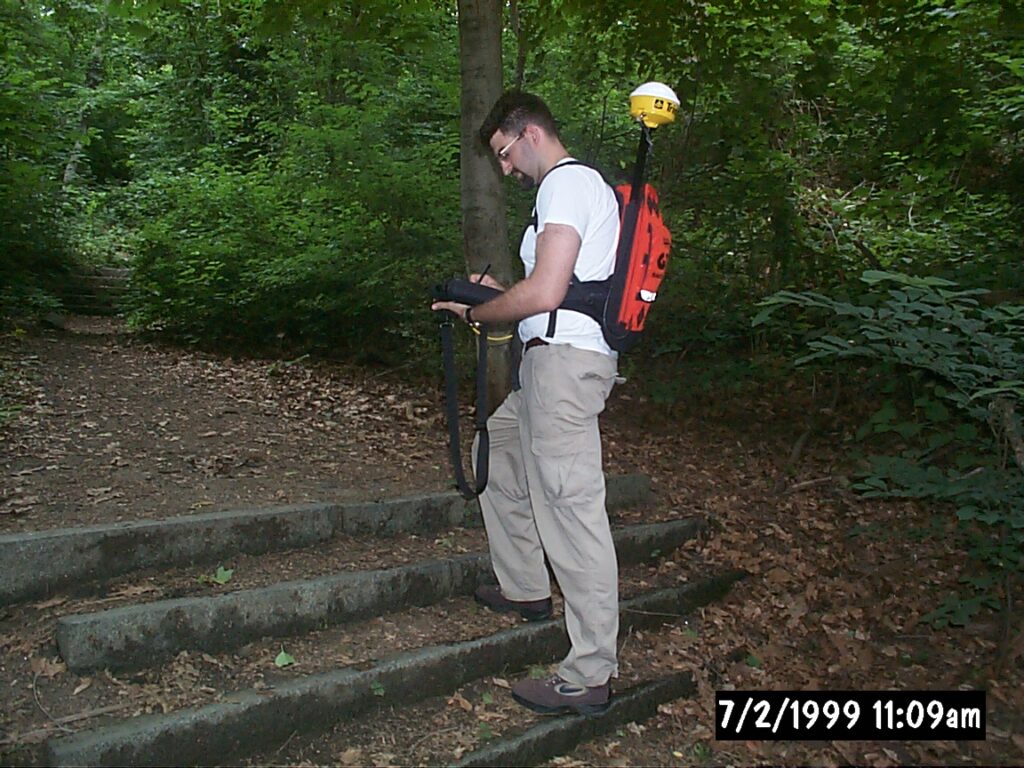
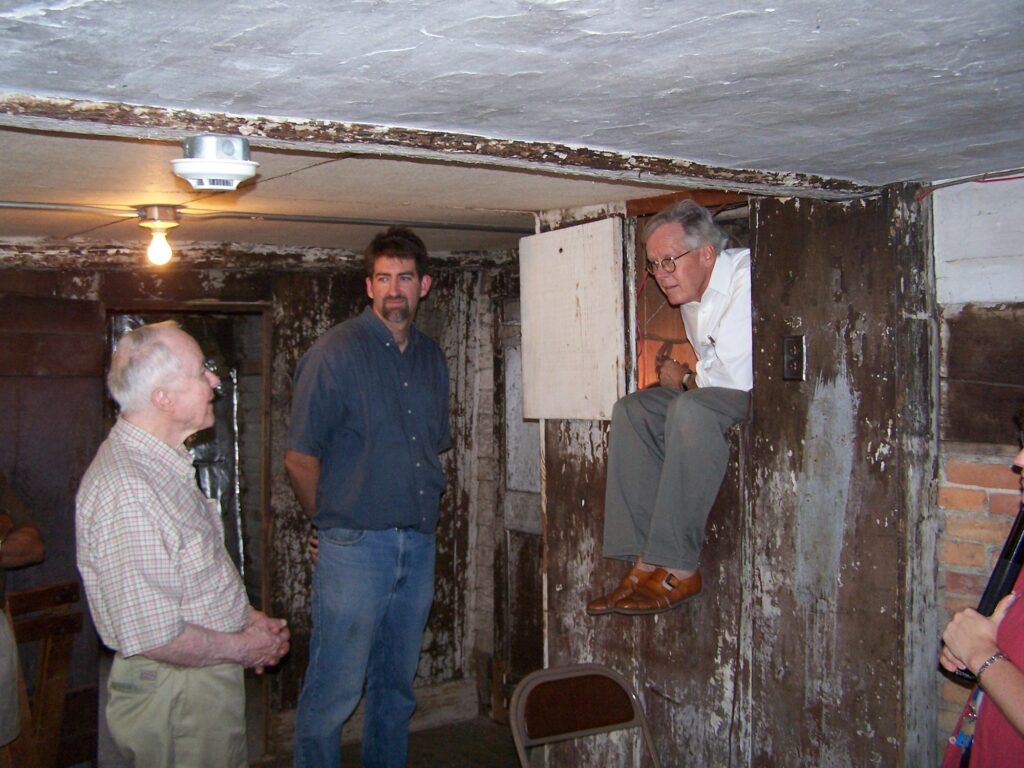
After graduating, one of my first professional jobs was to inspect every building and map the human-made features of the entire Philadelphia city park system. This allowed me the opportunity to explore and document the landscapes of Centennial and Sesquicentennial expositions. That work also allowed me to survey the amazing historic houses along the Schuylkill River, and studying these buildings revealed something I hadn’t expected: preservation efforts often tracked anniversaries more closely than maintenance needs. These country houses of eighteenth-century Philadelphia high society included privateers, politicians, signers of the Declaration, and even the home of Benedict Arnold. Studying these buildings and the history of their care allowed me to see an interesting trend. I noticed at the time that all the roofs were failing. Wood shingle roofs last about twenty-five or thirty years, and so backtracking, of course these roofs were all installed for the Bicentennial. Looking deeper, there was also an investment in those properties for the 1926 sesquicentennial celebration, but the years between 1926 and 1976 improvements were often rare. The various groups managing the properties didn’t always have the support they needed when the nation wasn’t in an anniversary year.
The ghosts of the Revolution and its anniversaries have stuck with me since leaving Philadelphia. The Centennial Exposition followed me to my next job, in New York City. One of the buildings I helped care there for was the Swedish Cottage Marionette Theater in Central Park. The Swedish Cottage was, in fact, a Centennial Exposition building. It served as the Swedish pavilion at the event, but was moved to Central Park a year later because Frederick Law Olmsted was enamored with the building. And of course, Historic New England’s sites offer a wealth of stories related to the founding of the United States, which we are celebrating with a special exhibition and new tours and events this anniversary year.
With the semiquincentennial nearly upon us, here are my hopes and dreams for the nation’s 250th, particularly as it relates to preserving sites associated with the Revolution:
These places—and the stories they hold about the nation’s founding—deserve steady, ongoing support, not just bursts of enthusiasm that flare up around big anniversaries and then fade away. Let’s commit to honoring the nation’s past by helping historic organizations outside of anniversary years!
Written by Ben Haavik, Vice President, Property Care and Climate Action
Sign up to our newsletter for our latest news and events