
Sitting on an open desk in a small bedroom at Marrett House in Standish, Maine, is a brochure for the White Star Line’s “twin-screw steamer” fleet, including the Cymric, which sailed from Liverpool to Boston on October 23, 1907. This little piece of ephemera gives us a peek into the lives of the fiercely intelligent, energetic, cultured, and independent women of the Marrett family.
Listed among the First Class passengers are Miss Mary E. Dudley (i.e. Mary Marrett Dudley), Miss S. Minerva Lilley and Miss Frances Sarah Marrett. Mary was forty-five, the second oldest of the four Marrett sisters and a recent widow after the death of her husband, Rev. Myron Dudley. Frances, the youngest of the four sisters, was forty-one, and traveling with her partner Sarah Lilley, forty-three. All the women were teachers.
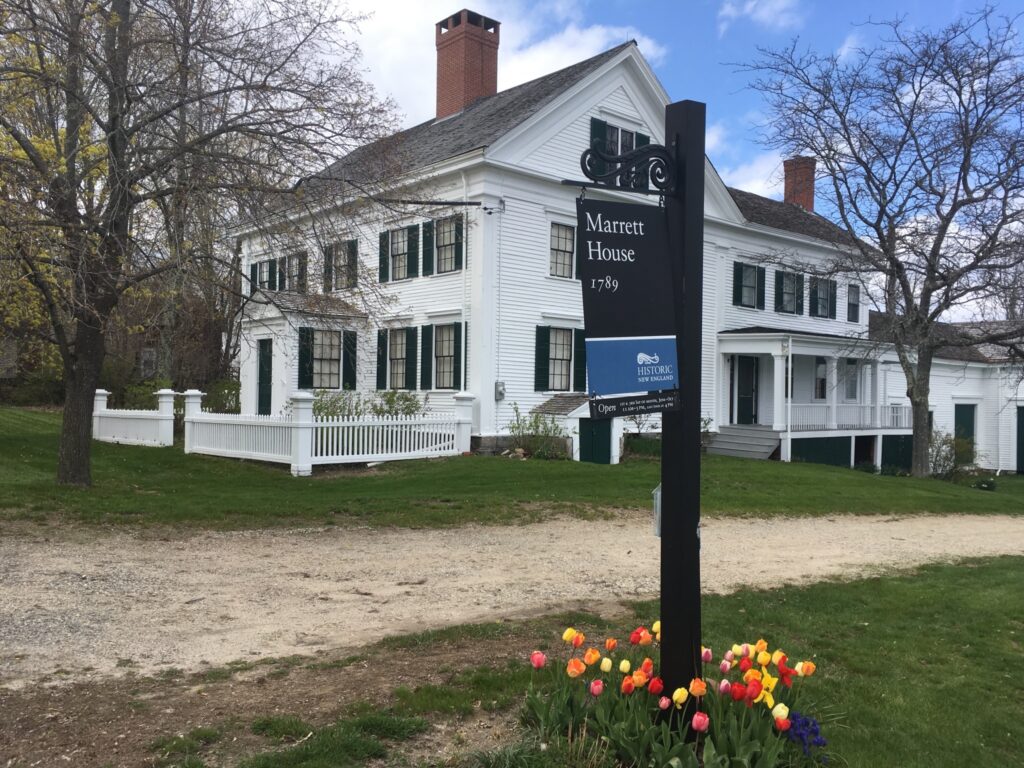
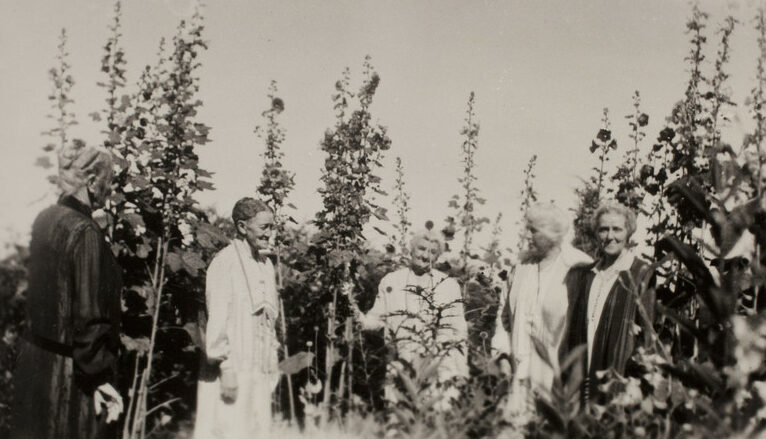
Frances and Sarah met as young women when they joined the faculty of Perkins Institute for the Blind in Boston in 1886. Frances graduated from Abbott Academy in Andover, Massachusetts, in 1885, after completing its three-year teacher training program; Sarah likely graduated from Bridgewater Normal School around 1882 or 1883. The two women became lifelong partners, inseparable even while living in separate Boston boarding houses (Frances in Ward 15 and Sarah in Ward 22) until after their retirement from Perkins in 1913. They often visited Standish and spent time with Frances’s sisters. The Marrett sisters all accepted their relationship, with elder sister Carrie referring to them affectionately as “the Gainsborough girls” when they moved into an apartment on Gainsborough Street in Boston after they retired.
Frances and Sarah often travelled together, including a trip to Europe in 1899. They left in July, and Frances’ “Travel Diary” describes how they so enjoyed relaxing and reading on the deck of the ship after the hectic final weeks of the school year. The couple rang in the New Year of 1900 in Naples, Italy. The beginning of the new century must have been especially exhilarating, with celebrations that included fireworks and the Italian custom of throwing objects out of windows to represent getting rid of the old for the new. What a change from Boston!
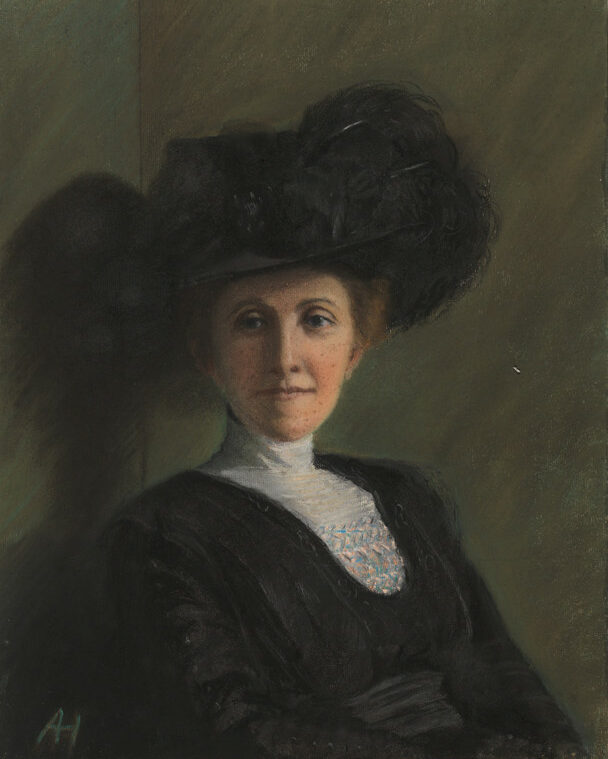
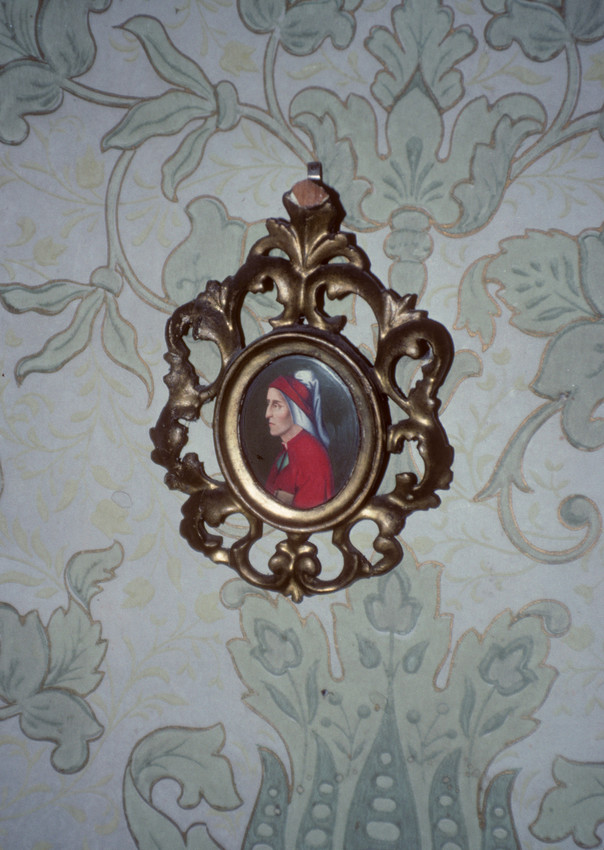
The 1907 voyage was their second trip to Europe, this time including Mary. We’re lucky to have souvenirs from their travels still in Marrett House, including a small portrait of a medieval man in a red hat and robe—possibly Dante Alighieri, the Italian poet and philosopher who would certainly have appealed to these literary women.
Our collection includes some of Frances and Sarah’s letters, a valentine from Sarah to Frances and more. Documents such as shared bank and investment accounts show how completely their lives intertwined. In the 1920 census, Sarah identified herself as the head of household, while Frances identifies herself as Sarah’s partner. Frances donated the house to Historic New England with an endowment for both house and garden and gave Sarah a life tenancy. Frances died in 1944, and in a letter written shortly after, William Sumner Appleton remarked that he wondered how long the grief-stricken Sarah would live after the loss of her beloved partner. Sarah outlived all the Marrett sisters (she died in Standish at age 97), none of whom had children. When the house opened to the public for tours after the end of World War II, Sarah was our first tour guide.
Written by Peggy Konitzky, Midcoast Maine Site Manager
Sign up to our newsletter for our latest news and events