
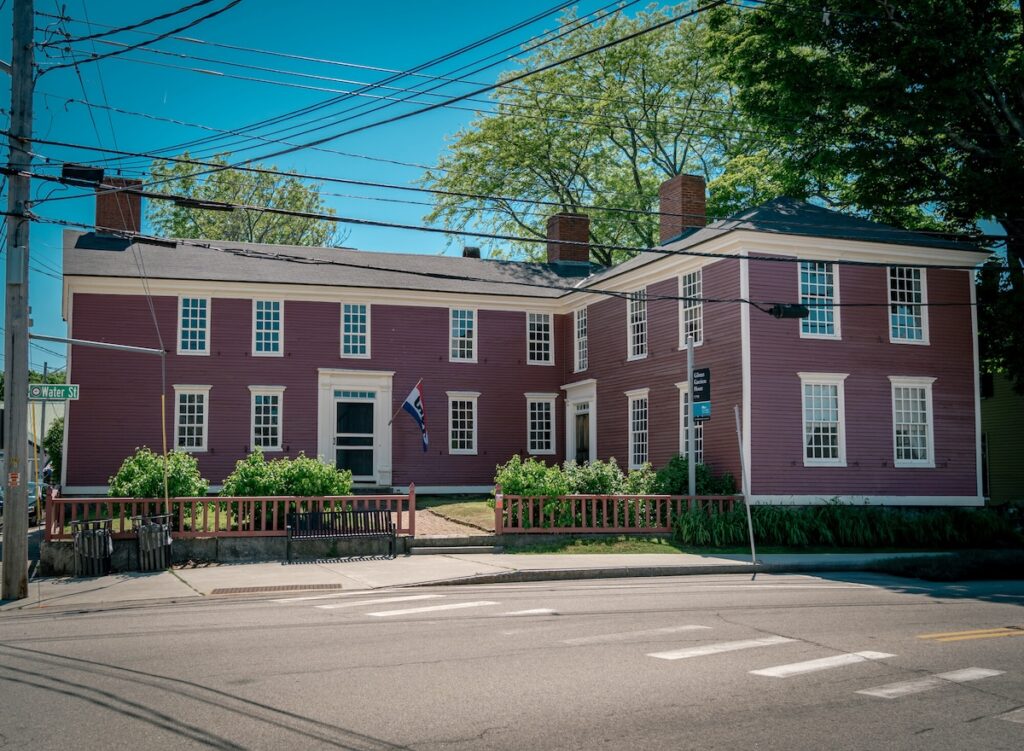
For more than 130 years, Gilman Garrison House in Exeter, New Hampshire, was shaped by a remarkable succession of women whose enterprise, creativity, and determination ensured the house’s survival. Beginning with Betsy and Eunice Clifford, who inherited the property in 1821 and transformed its Georgian parlor into a thriving millinery shop, the house became a center of local commerce. Their legacy of entrepreneurship continued with Asenath Harvey Darling, who operated her own successful millinery business in the same space, and with her sister Jane Harvey, a teacher who took in boarders and became the first to guide visitors through the garrison. Early preservationist Frances Perry Dudley restored the property with uncommon vision at a time when historic preservation was still emerging, laying the foundation for its future interpretation. Together, these women embodied the economic ingenuity and cultural influence of women in New England in the nineteenth and early twentieth centuries.
Betsy and Eunice Clifford
John Gilman built the fortified building in 1709 and a member of the Gilman family occupied it for nearly eighty years. Inventor, builder, and entrepreneur Ebenezer Clifford purchased the house after the last Gilman to own it died in 1788. A native of Kensington, New Hampshire, Clifford was a well-known early Piscataqua architect. He was instrumental in building two other homes that are now Historic New England museums: Langdon and Rundlet-May houses in Portsmouth. While living in the spacious house, Clifford offered living quarters in spare bedchambers to young students attending Phillips Exeter Academy, including future politician Daniel Webster.
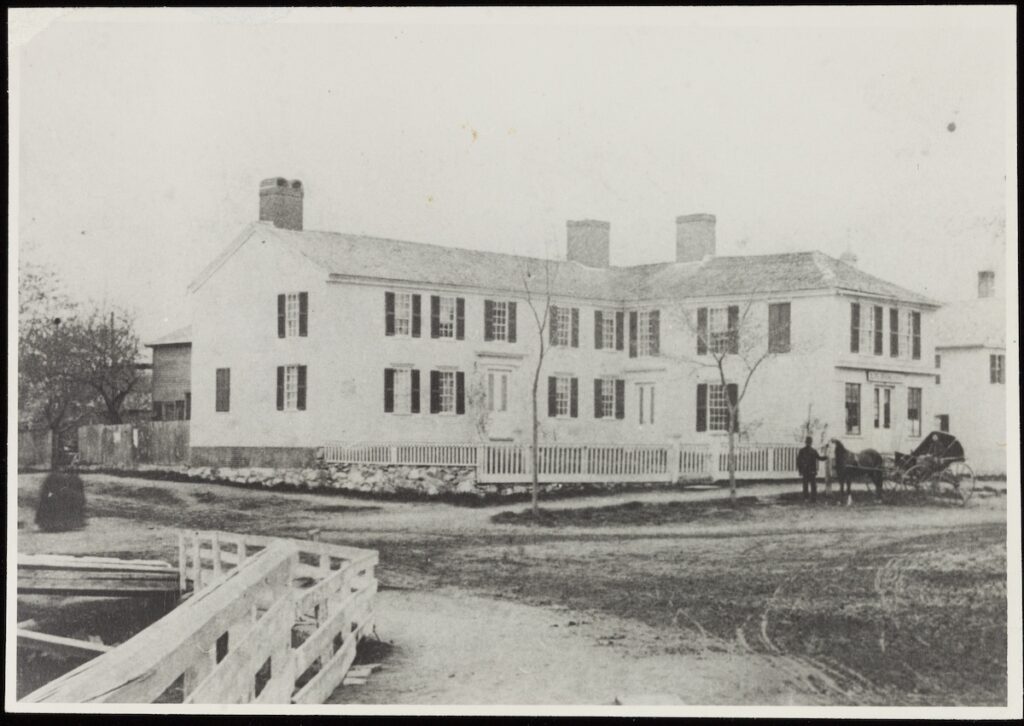
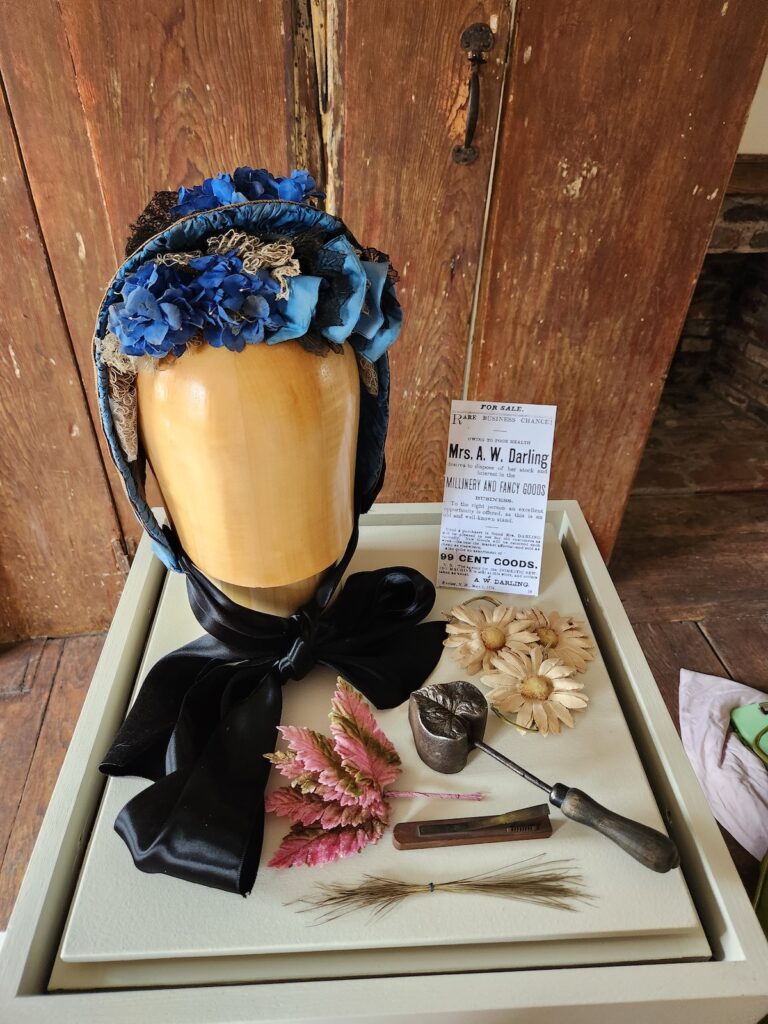
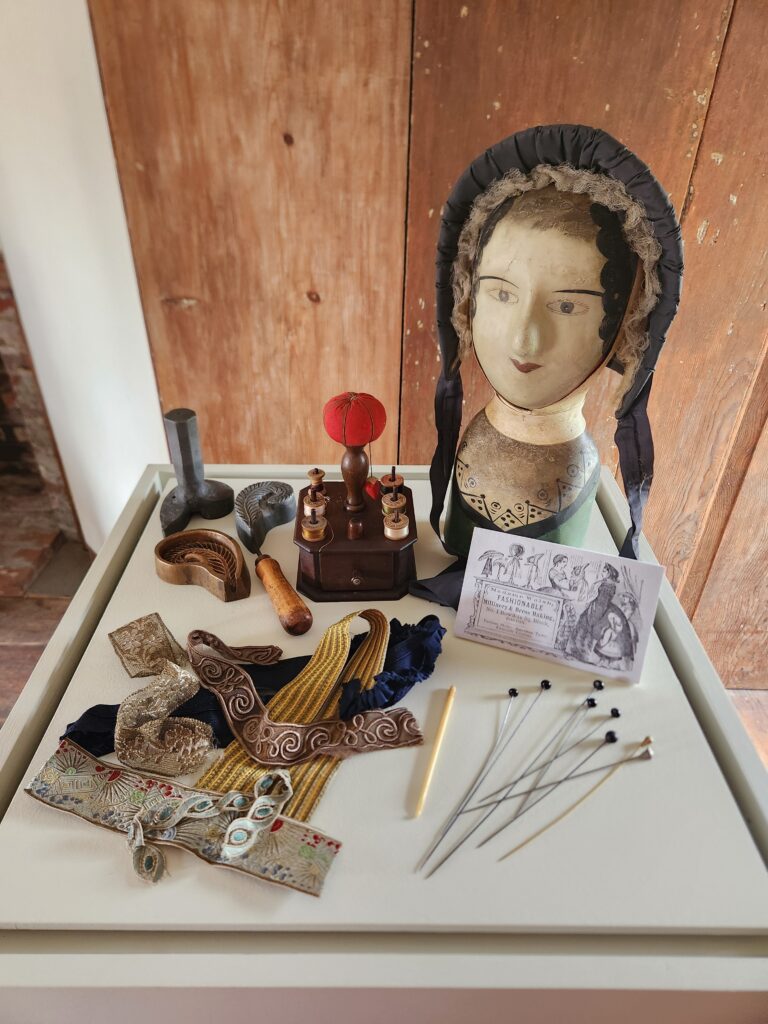
Clifford’s daughters, Betsy and Eunice, inherited the house in 1821. The sisters lived in the house for the rest of their lives and continued their father’s enterprising spirit by operating a boarding house and opening a lucrative millinery shop in the parlor. For over forty years, the women made and sold fashionable products for the people of Exeter. Their inventory included bonnets, hats, and caps of straw, silk, velvet, and wool. They made fully finished headwear, and provided trimmings and findings such as feathers, ribbons, faux flowers and more that could be used to decorate or update hats by customers at home.
Exeter resident William G. Perry recalled the successful shop as well as its proprietress, Betsy Clifford in an early twentieth century oral history: “It was the leading one in that line and was quite successful. . . Miss Betsy was prim and formal, with a rather cold expression, strong and decided in her opinions, quaint in her dress. I can recall her, wearing the old fashioned calash [a folding bonnet popular in the eighteenth century] of green silk; later she used a small green sun shade, which she generally forgot to let down as she marched almost the length of the aisle to her pew in the First Church.”
Asenath Darling and Jane Harvey
Asenath Harvey Darling purchased the house from the Clifford estate in 1864, noting that she wished her property to be “independent of her present or any future husbands.” Asenath owned and operated a millinery shop in the same space the Clifford sisters used. She specialized in hat making, but also offered retail sales of millinery supplies, sewing notions, and fabrics, as well as catalog sales for Singer sewing machines. Her shop was well managed and successful, making Asenath financially independent of her husband for the duration of her marriage. (At the time of her death, her “present” husband was Manly Darling, a carriagemaker who may have used Asenath’s carriage barn as headquarters for his taxi service.)
Jane Harvey, Asenath’s sister, inherited the house in 1895. A schoolteacher who took in boarders to supplement her income, Jane was the first to show the interior of the garrison to visitors. Tours highlighted the elegance of the Georgian addition juxtaposed with the defensive features of the ca. 1709 original garrison structure. Many aspects of the tours were fabrications of Harvey’s imagination, including accounts of violent encounters between the Pawtucket people and the residents of Gilman Garrison, and escape tunnels between the basement of the building and the riverbank across the street. So convincing were her stories, that residents who visited the site as school children recalled exploring the tunnels themselves. (In 1932, an excavation conducted as part of Historic American Building Survey confirmed that no tunnels existed). Harvey’s apocryphal accounts of violence perpetrated by the Pawtucket remained uncontested until very recently and became part of the history of the house passed down through subsequent owners.
Frances Perry Dudley
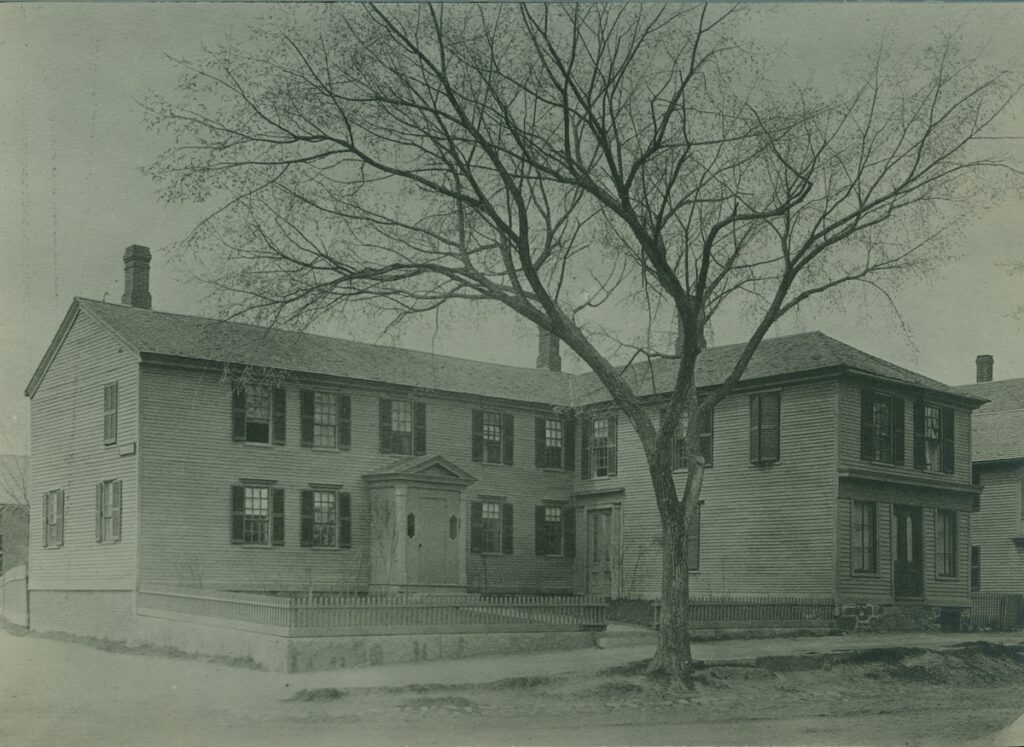
Frances Perry Dudley, a descendant of Peter Gilman, first visited the house sometime during the first decade of the twentieth century, as attested by the guestbook owned by the Exeter Historical Society. She purchased the house in 1912 and started a restoration of the property. The work she directed occurred the during infancy of the historic preservation movement, yet her efforts were focused and purposeful. Frances quickly removed the shop front door and windows used by the Clifford sisters and Asenath Darling. Other changes made during the nineteenth century, such as an exterior portico at the front door, were also corrected, returning the building to its appearance in the 1780s. In December 1913, Frances showed Historic New England founder William Sumner Appleton through the house. During his visit, Appleton noted the remarkable garrison features from the ca. 1709 structure and recalled the notable construction techniques revealed in the restoration that was then underway.
After her death in 1953, her son William Perry Dudley completed the restoration. William returned portions of the house to its late-eighteenth century appearance, revealed aspects of the early eighteenth-century defensive features in other areas, and created a history museum documenting the lives of the Gilman family and other residents, including many of the myths handed down by the Clifford and the Harveys.
Written by Melissa Kershaw, Regional Site Administrator, Northern New England
Sign up to our newsletter for our latest news and events