
“Drink plenty of fluids, stay in an air-conditioned room, stay out of the sun, and check up on relatives and neighbors.” – National Weather Service
This week, much of New England is either under an extreme heat watch or extreme heat warning. The National Weather Service issues an extreme heat watch when dangerous heat is possible, while an extreme heat warning means that dangerous heat is already happening or is imminent. At Historic New England, we are carefully monitoring these weather advisories to make sure everyone has a safe experience at our sites. We may make changes to a tour (such as not going to the second floor of a building due to high heat), close all or part of a site, or reschedule an event to a time when it can be safer for everyone. We also understand there may be times visitors decide to change their plans to visit one of our sites due to the extreme heat.
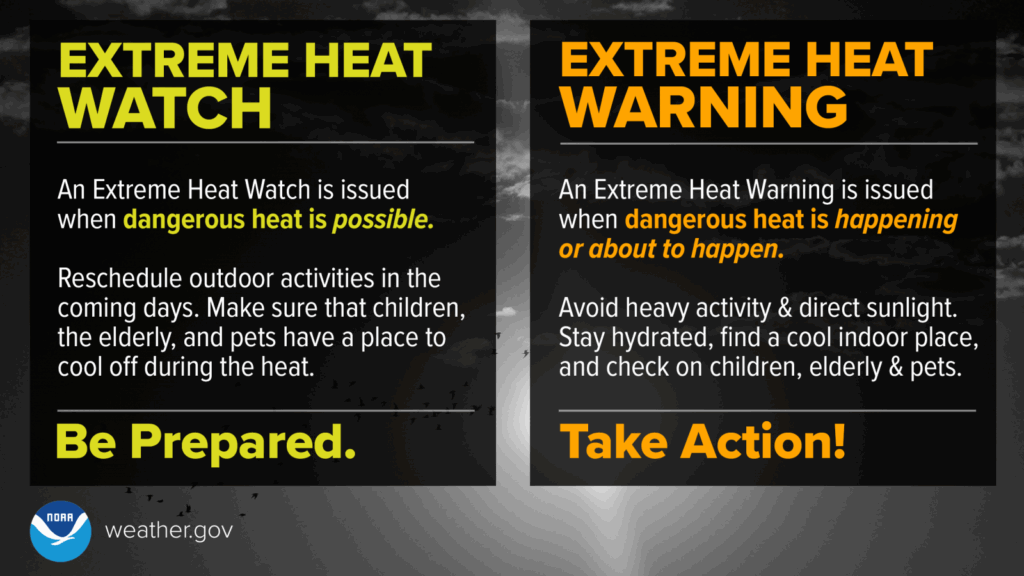
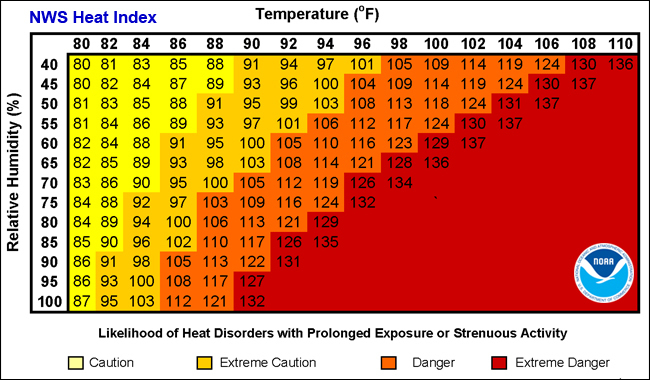
The criteria for issuing heat watches, advisories, or warnings vary by location, but are generally based on the expected heat index and how long dangerous temperatures are expected to last. In the Boston area, a heat advisory is issued when daytime heat indices are between 95˚F and 99˚F for two consecutive days, or between 100˚F and 104˚F for two or more hours on a single day. An extreme heat warning is issued when the daytime heat index is expected to reach 105˚F or higher for two or more hours.
Have you ever checked the temperature before leaving the house, only to step outside and feel like it’s much hotter? That’s the heat index in action. While a thermometer shows the air temperature, the heat index tells us how hot it actually feels to the body. It combines air temperature and relative humidity to give a more accurate sense of how our bodies experience the heat. For example, if it’s 88˚F with 70% humidity, it will feel more like 100˚F to your body.
In New England, we often try to tough out the hot days and we are even known make a game out of how long we wait before making use of our air conditioners, but high heat is not something to take lightly. In 2023, there were over 2,300 heat related deaths in the United States. This is more than double the nearly 1,100 deaths that occurred 1999 and the numbers are rising every year as our summers become warmer.
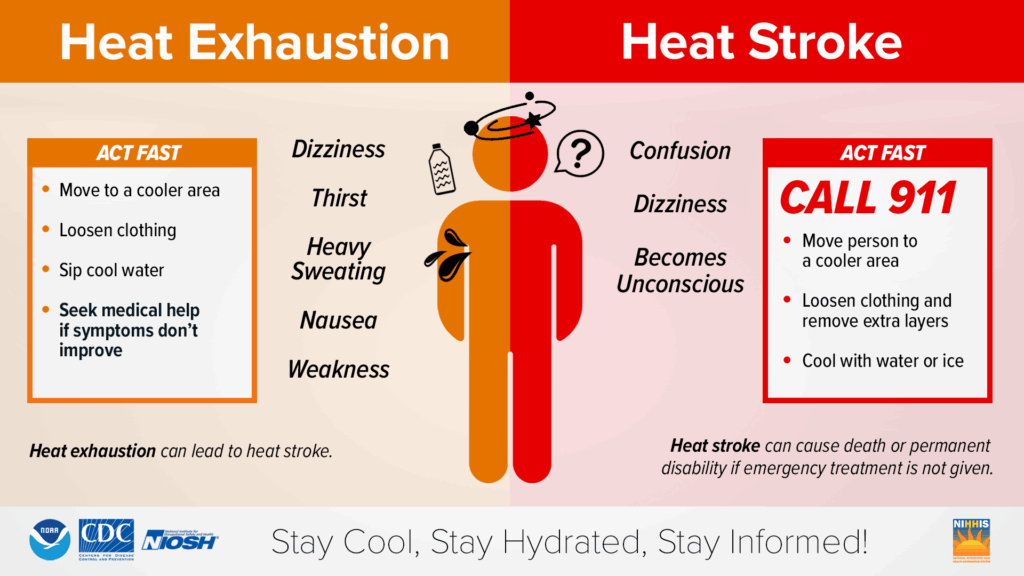
What should you do when a high heat alert is issued?
Extreme heat may be relatively new to many of us in New England, but a sense of community is not. During these times, caring for one another is what will help us to keep each other safe as hotter summers become the new normal.
Written By Joie Grandbois, Director of Sustainability
If you need to make changes to your tour schedule, please contact the site.
Sign up to our newsletter for our latest news and events