
Several of our own historic properties were built with design-driven features to naturally mitigate the effects of our region’s seasonal temperature fluctuations and facilitate air flow. Some of these features may easily be revived or rediscovered in older homes or could even provide inspiration for new building construction.
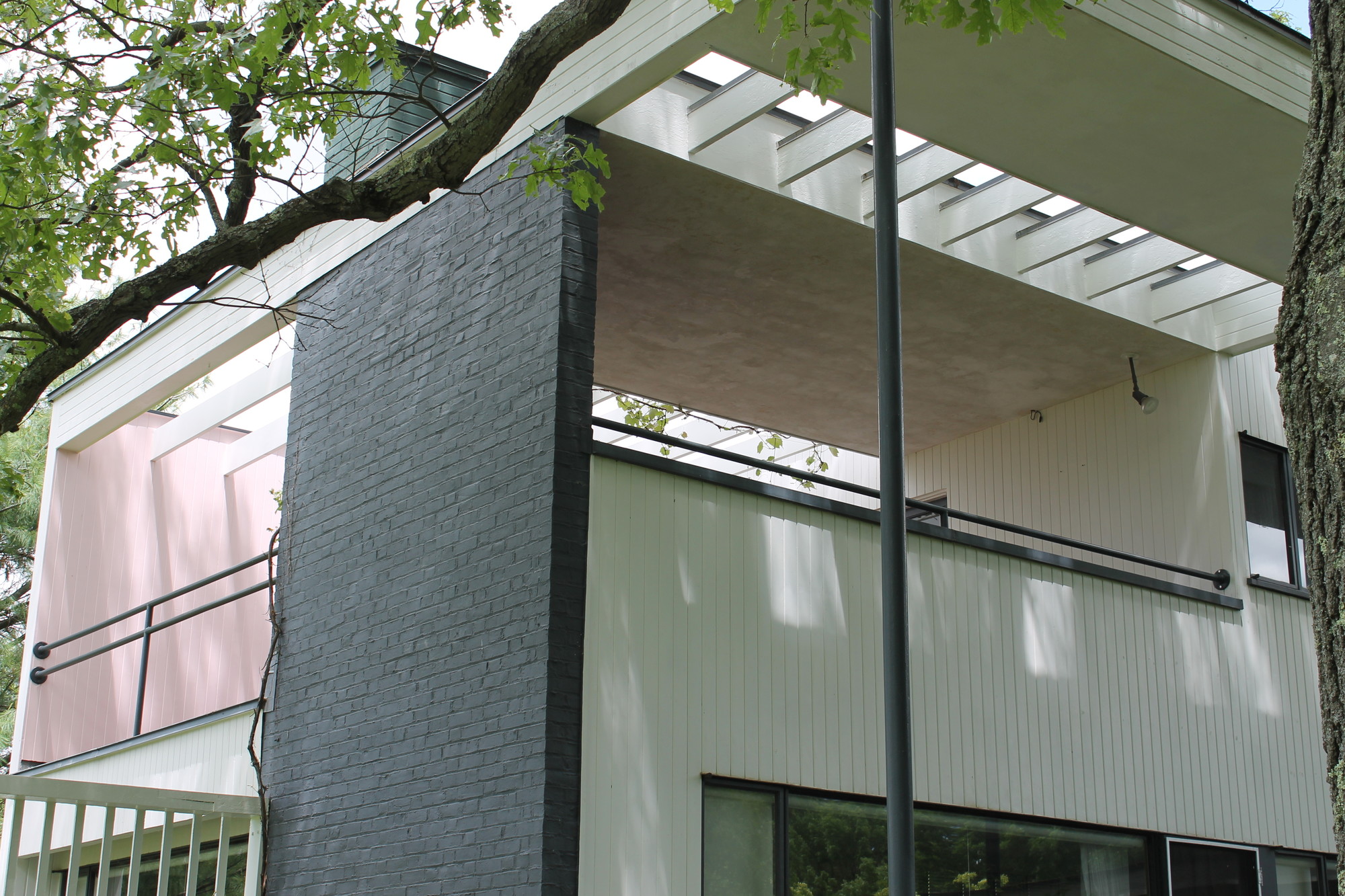
When Walter Gropius moved to the United States in 1937 and began designing a home for his family in Lincoln, Mass., New England’s regional building traditions and materials were a key part of his design strategy. In 1943’s Scope of Total Architecture, he wrote:

“I tried to face the problem [of design] in much the same way as the early builders of the region had faced it when, with the best technical means at their disposal, they built unostentatious, clearly defined buildings that were able to withstand the rigors of the climate and that expressed the social attitude of their inhabitants.”
The final structure realized elements such as consideration of site, insulation, and passive ventilation. In addition, the use of an overhanging brise-soliel enhances the heating and cooling effects of seasonal changes resulting from the sun’s shifting angle. University of Massachusetts Amherst scholars conducted a 2011 study indicating that Gropius’s design maximizes solar gains in winter and overshadowing in summer.
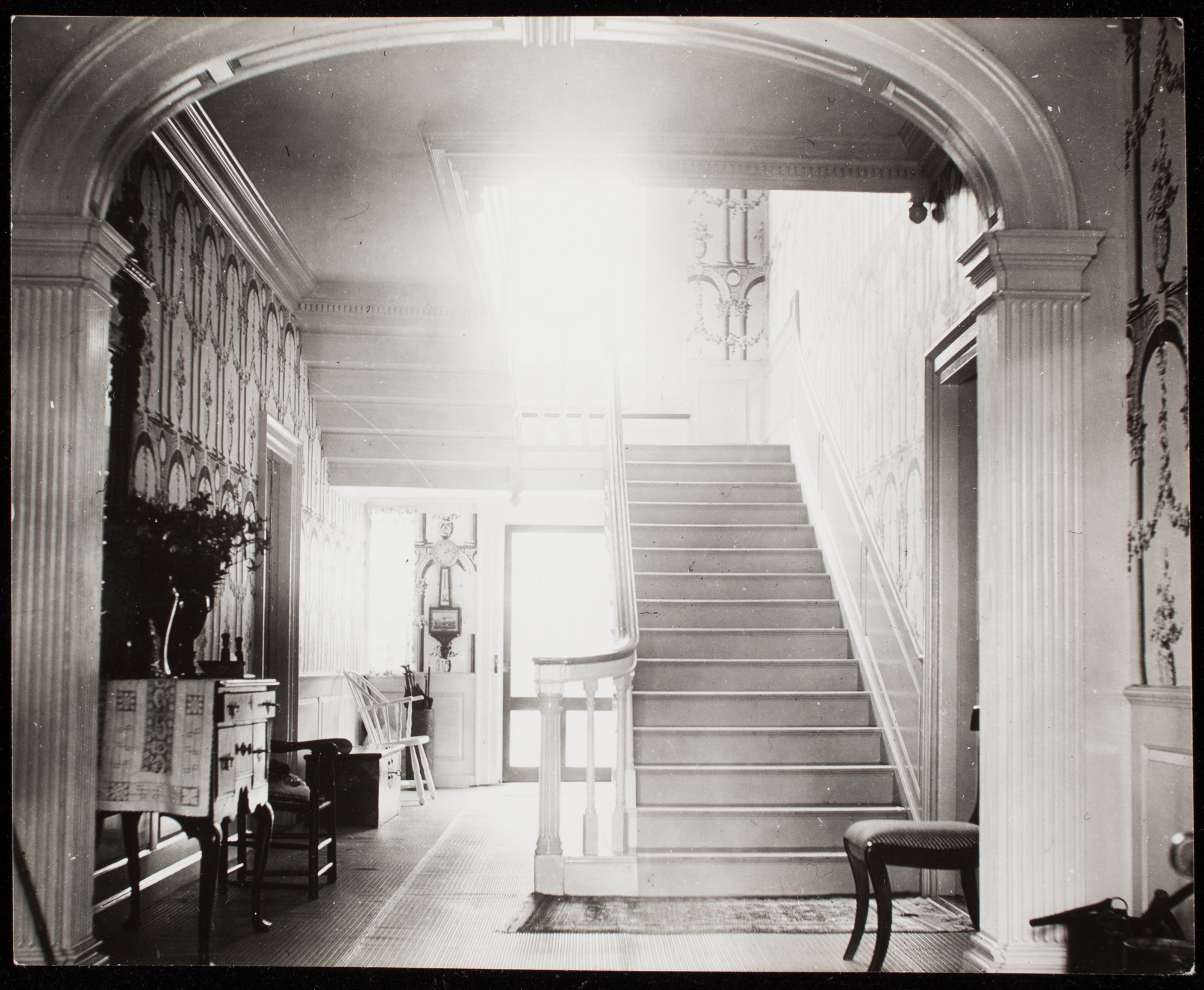
The COVID-19 pandemic put a spotlight on building systems and the importance of air circulation. Historically, structures in New England were built to maximize air flow without electricity in order to provide optimal cooling effects during the summer. Windows or doorways placed at opposite ends of a space can naturally take advantage of differences in pressure, allowing for a continuous flow of air. This principle is evident at Hamilton House (c. 1785) in South Berwick, Maine, where open front and rear doors can make ample use of cross-breezes.
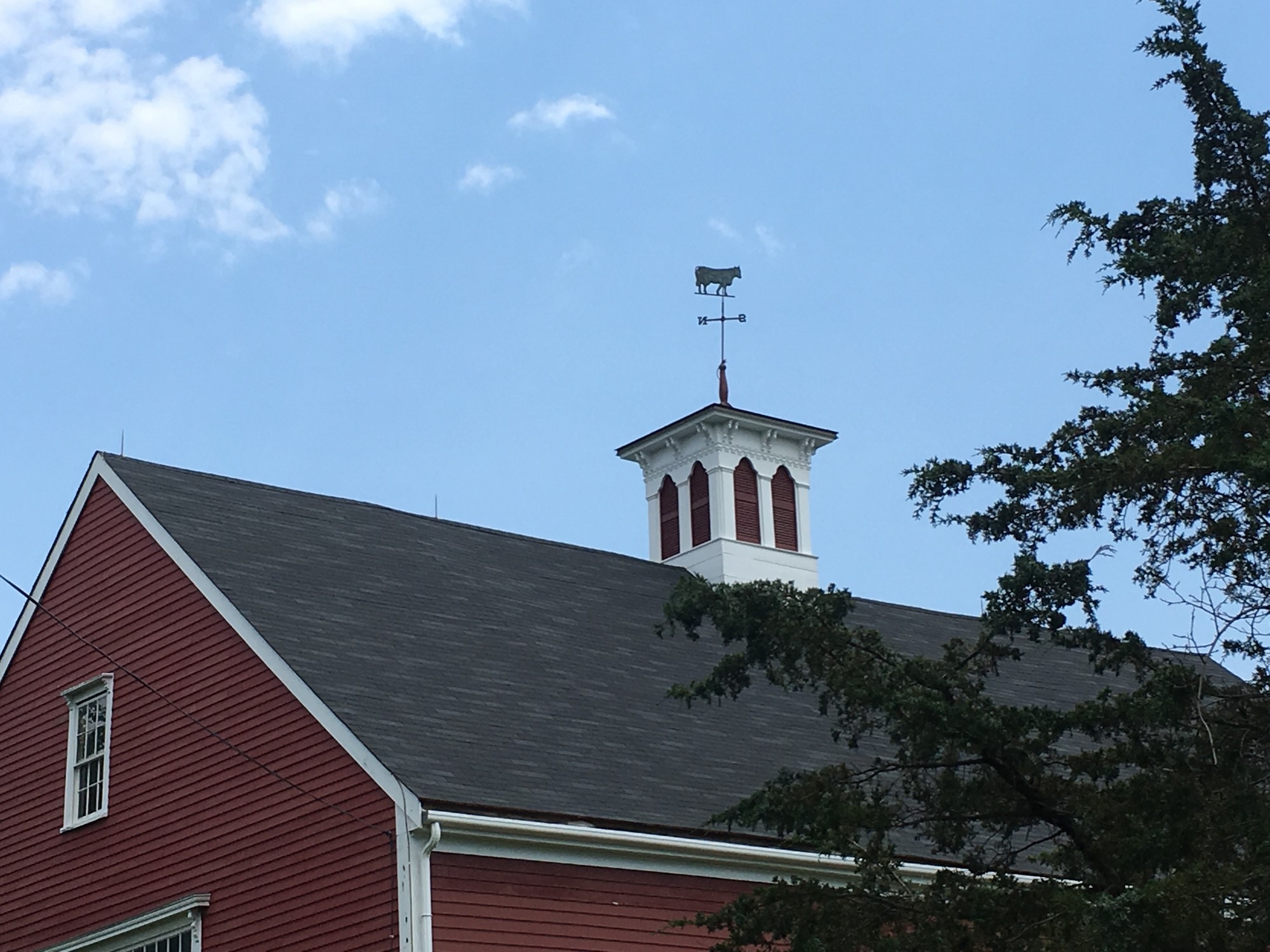
In addition, stack vents (often in stairwells) or louvered cupolas can drive hot air out of vertical spaces and create ventilation. In historic barns, cupolas naturally circulated and replenished fresh interior air.
In contrast, as mechanical air conditioning became broadly available by the mid-twentieth century and energy costs were low, natural circulation in building design declined. Mechanical heating and cooling also allowed for increasingly larger building systems and paved the way for the high rises and tall office blocks of this period.
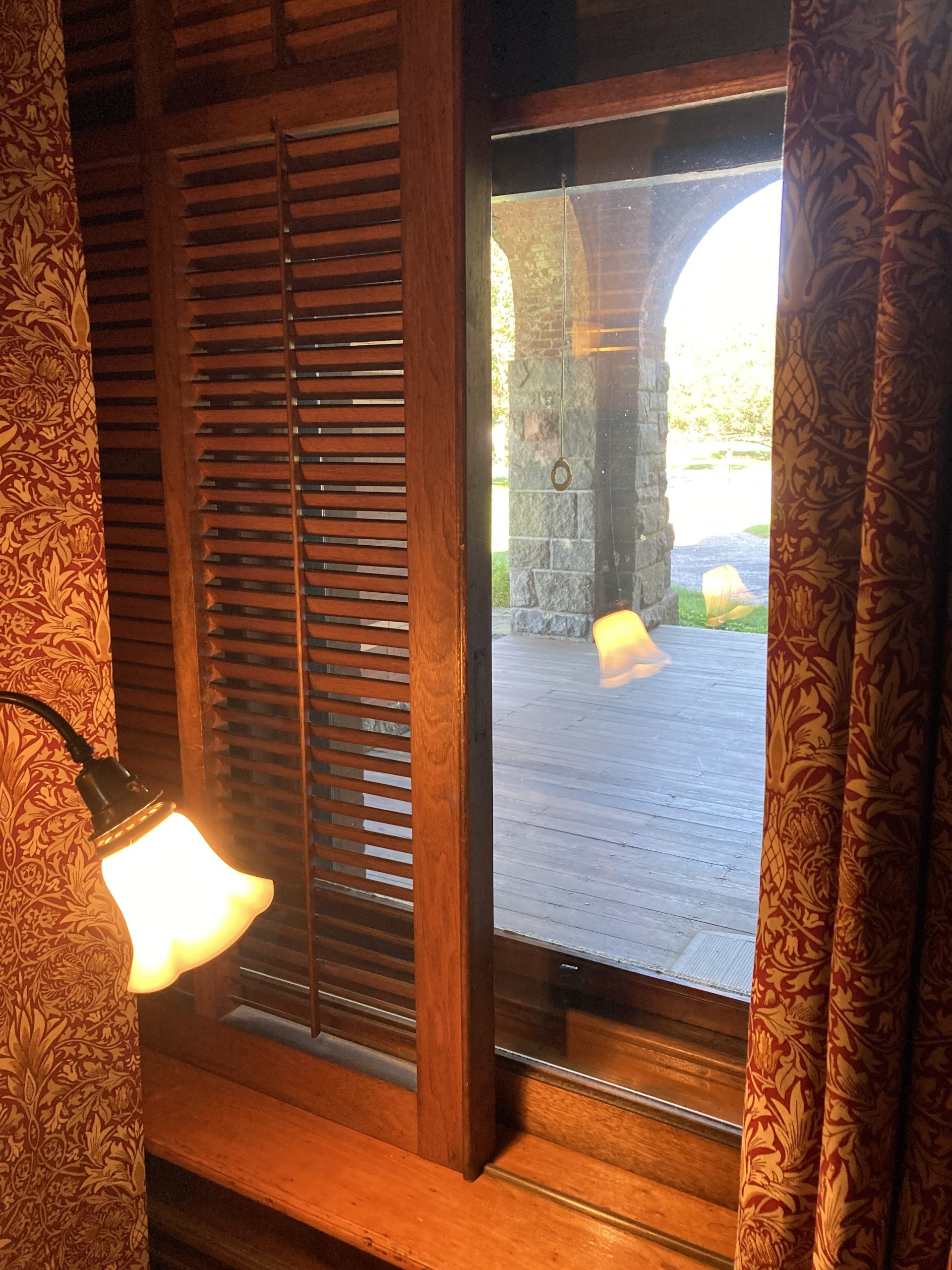
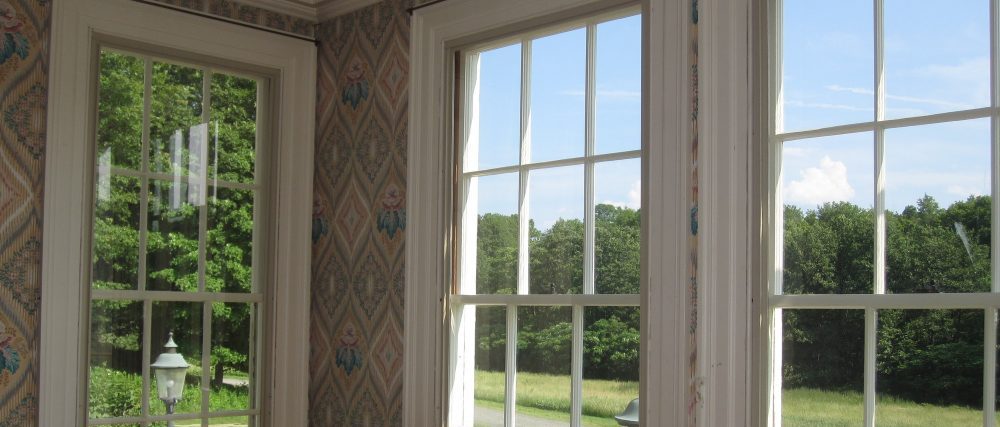
At first glance, the ornate woodwork and paint applications that ornament each room of the Eustis Estate in Milton, Mass., may overshadow its sash windows. However, this belies several highly functional elements that contribute to control of seasonal temperature fluctuations.
First, the house’s sash windows operate on the principle that hot air rises. In the summer, both top and bottom sashes could be opened to create a dynamic airflow, whereby cooler air could circulate warm air out the window. In the winter, radiators positioned beneath some windows also made use of thermodynamics: when cold air near the windows mingled with hot air from the radiator, the warm air was forced back throughout the room, thereby creating a more evenly heated space.
In addition, some windows are equipped with interior pocket shutters secured to a rolling track. Depending on the time of day, the shutters could be adjusted to block radiant heat from the summer sun. In the winter, heavy drapes created a layer of insulation around window openings, and tight window locks dampened the effects of unwanted drafts.
Sign up to our newsletter for our latest news and events