
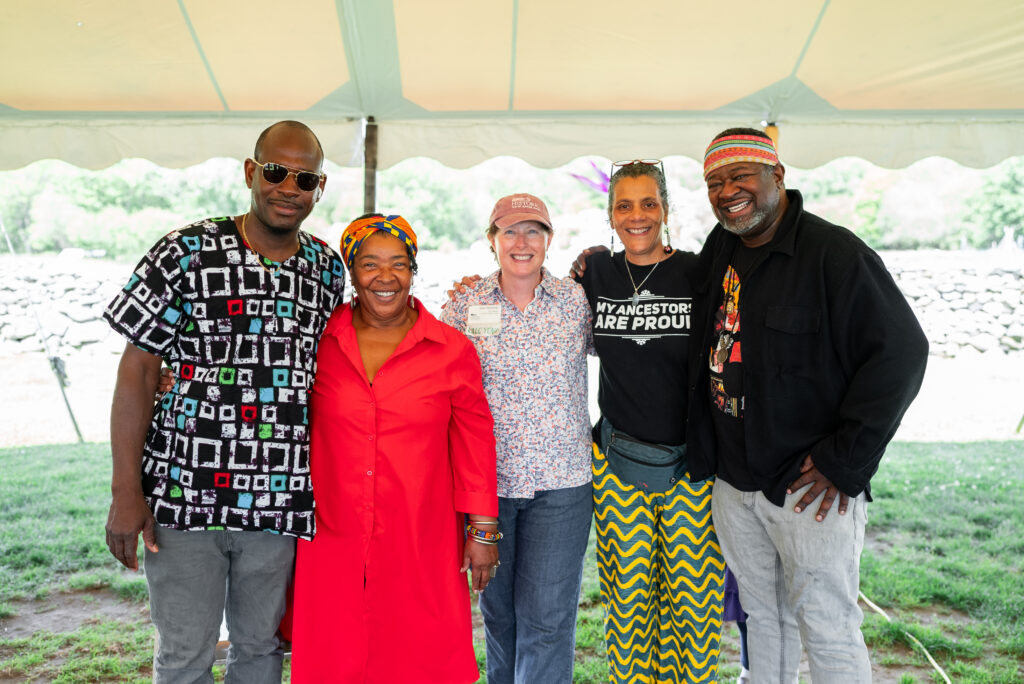
I grew up in Rhode Island and went to Providence College, where I discovered that liking history and architecture could be a career. I went to Boston University for a graduate degree in historic preservation and American studies. Some of my professors worked for SPNEA, now Historic New England, which looked good to me. During and after school, I worked at a few different historic sites in Rhode Island and Massachusetts. For one of those positions I gave a talk on New England ice harvesting, and that is what my current supervisor, Dan Santos, remembered when I applied as Site Manager for Southern Rhode Island in 2016. Ice harvesting is still one of my favorite talks to present.
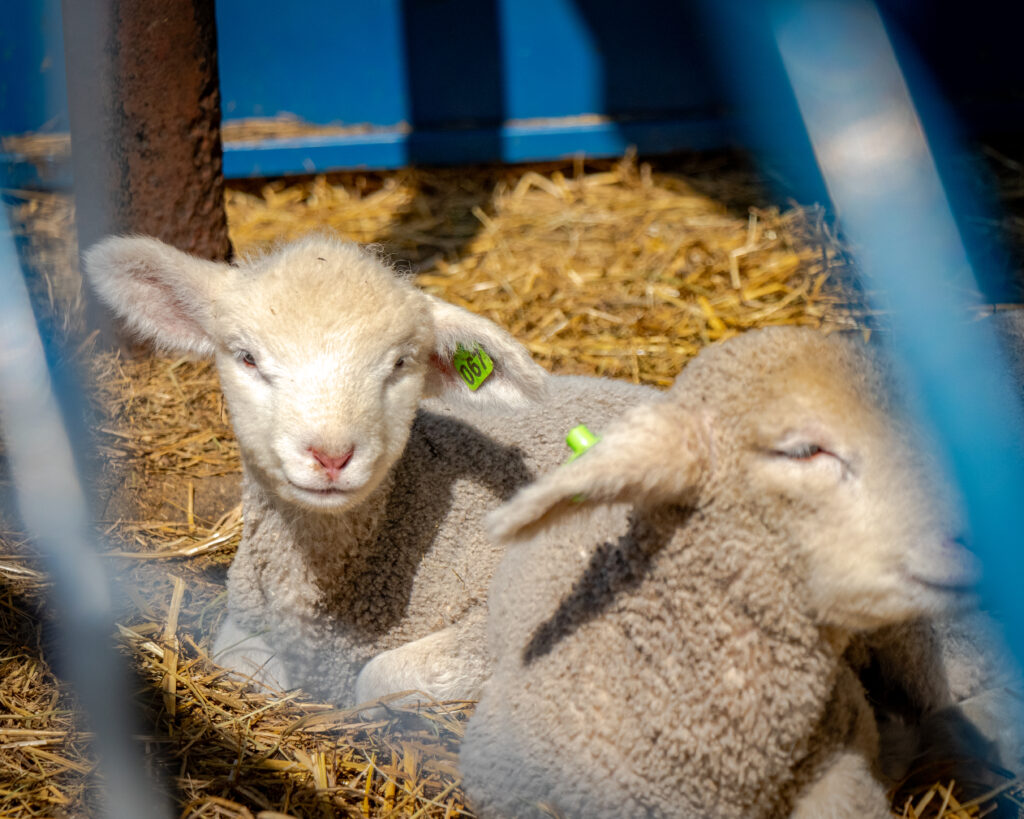
My job follows the rhythms of the agricultural seasons, which is similar yet different every year, and often takes place outdoors rain or shine. Cold weather is the time for planning. When the farmers are busiest with baby animals and planting in the spring, I am running large public programs like Sheep Shearing Day so the public can engage with the farms too. Once the farms start harvesting and grazing the animals on pastures in summer, I am working at the Casey Farm Market, offering tours with our guides, and renting Casey Farm for a wedding or two. In harvest season, I am running a Halloween market and a holiday wreath-making program. I get to do this while working with farmers actively raising animals and crops and with farm educators leading large groups of children on most days during the open season.
Each of the Southern Rhode Island farms brings their own magic to my colleagues and me, and to so many visitors. There is something that fills your cup about being outdoors in nature and among growing plants, animals, and children. Each day is beautiful in a different way, and the farms bring together so many interesting people for sharing points of view and finding common ground. Being aware of the stories of the people who came before us makes these experiences more meaningful for me, and my goal is to bring that awareness to others.
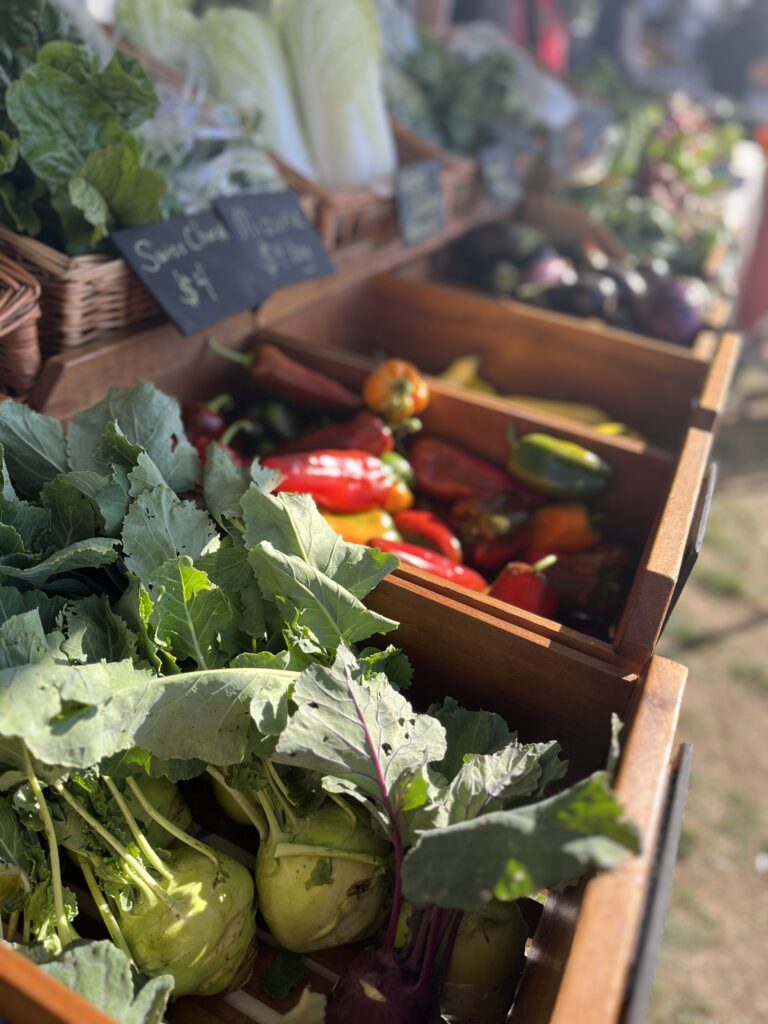
One of the best ways I have found to connect with neighbors and community members at the Southern Rhode Island farms is to join in and experience what they do. I am a longtime CSA member at Casey Farm and shopper at the Casey Farm Market, I’ve assisted the farm teachers with children’s programs, and I love to go to community events in Jamestown and Saunderstown. I look to those communities when creating partnerships as we are planning events at the farms.
This year I am so proud to facilitate with my colleagues Celebrating Freedom: A Stopping Stone for Orman Remington at Watson Farm on May 2. Orman Remington was a remarkable Black man who emancipated himself by purchasing his freedom from tenant farmers in 1781 during the American Revolution. He went on to purchase the freedom of his wife and three children from a nearby farm and then became the first Black landowner in Jamestown. His descendants became successful community leaders. Two living descendants will be our featured speakers at the program, and they have already taught me so much about the legacy of Orman Remington. His legacy will be shared with many more people than just those who can attend the program through a video, a revised walking tour guide for all visitors, and the new Stopping Stones website. At Casey Farm we will enjoy American Revolution-themed tours and a farmers market. Casey Farm was the actual site of a fight between British and American troops and it is exciting to reveal the battle scars to visitors.
Southern Rhode Island is justifiably praised for its miles of coastline that beckon anyone who enjoys walking, water sports, eating good local food, and soaking in the gorgeous sights including some great architecture. A choice day off for me is swimming in the ocean at East Matunuck State Beach and perhaps stopping off in Wickford Village for its charming shops and good restaurants.
To learn more about these and other events at Jane’s sites, visit HistoricNewEngland.org/Events.
Sign up to our newsletter for our latest news and events