
The Lyman Estate was established as a country home and farm in 1793 for Theodore and Lydia Lyman. The property’s formal name, “The Vale,” references its location in a slight valley, with a brook running through it.
The estate was used primarily as a warm weather retreat for the family, who lived in Boston the rest of the year. Large expanses of open countryside, together with proximity to Boston, made Waltham an attractive location for country estates in the eighteenth century. At its height, the Estate was almost 400 acres and included the gardens, farm structures and farmland, three ponds, woodland, and a deer park. The Vale was beloved by four generations of the Lyman family until 1952, when the fifth generation donated the property and its remaining thirty-seven acres to Historic New England.
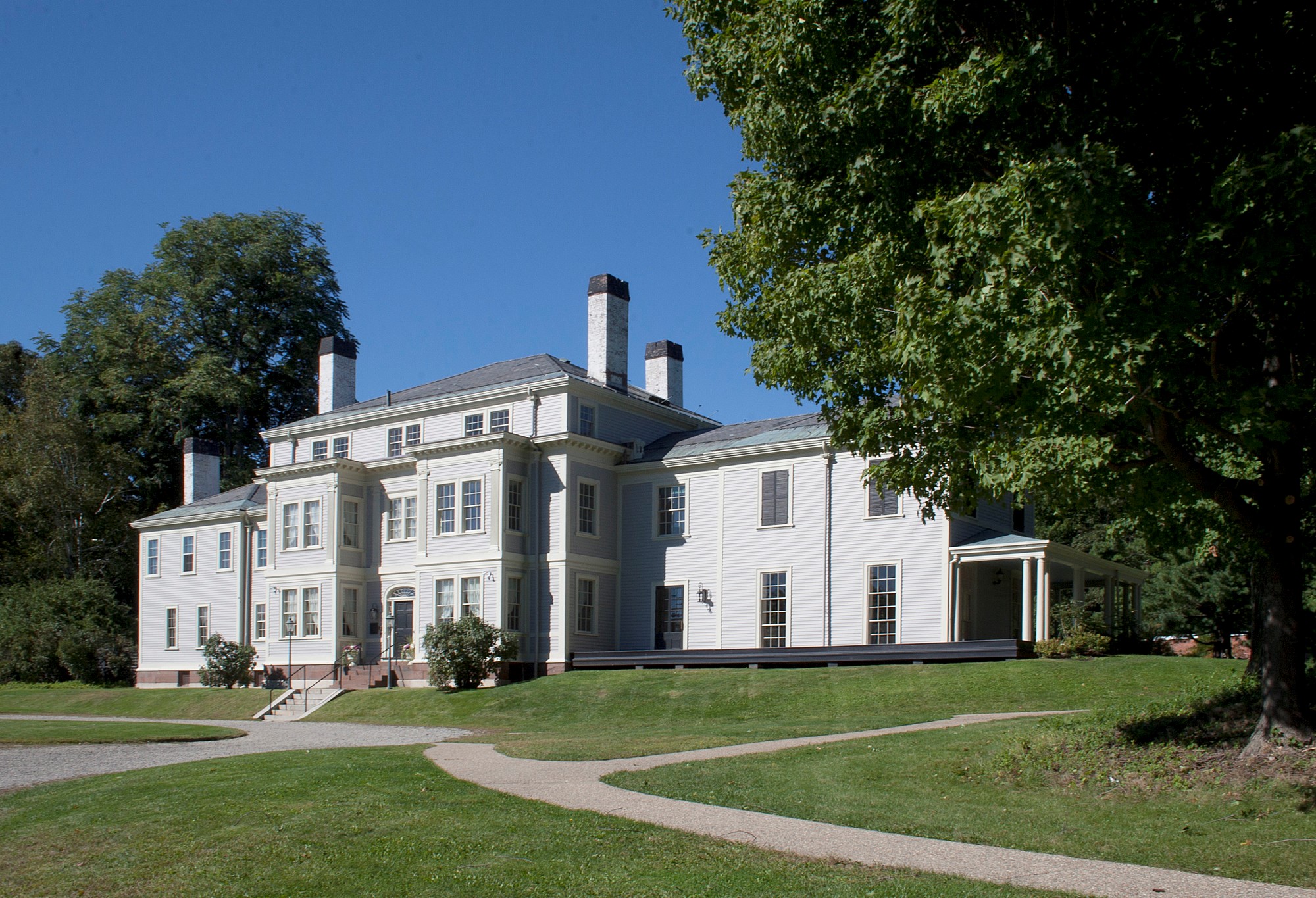
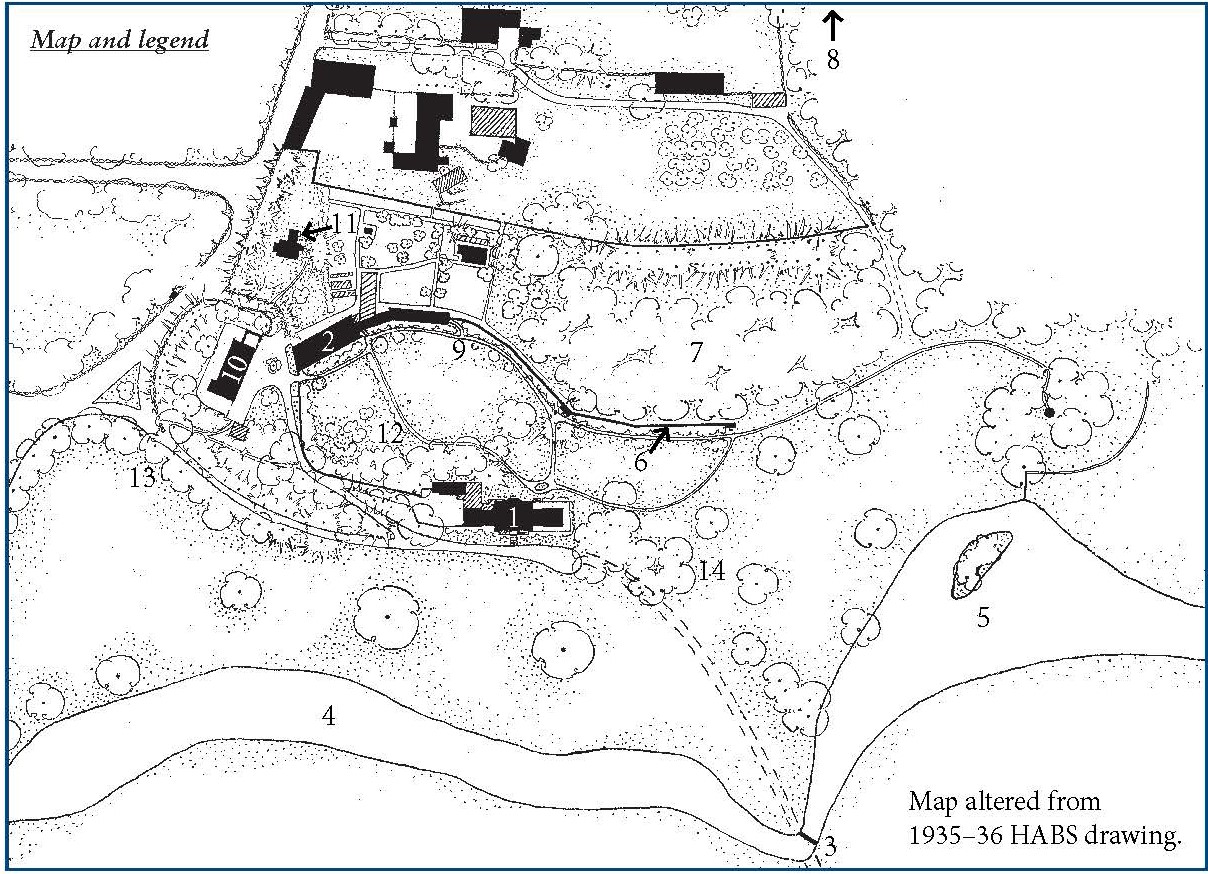
1. Mansion
2. Greenhouses
3. Original approach with stone bridge
4. Upper pond
5. Middle pond
6. Brick peach wall with summer house,
perennial garden and boxwood hedge
7. Wooded knoll
8. Deer park (now Bentley University)
9. Century-old European Cooper Beech tree
10. Carriage house
11. Gardener’s cottage
12. Rhododendron, Azalea, Cucumber Magnolia and Mountain Laurel
13. Sugar Maples (lining entryway)
14. Tulip tree and parking area
Before English settlement, the area of Pequusset – or Waltham – was populated by the Massachusett and Pawtucket. They utilized this land for its rich natural resources, especially fishing and beaver trapping, associated with Quinobequin or the Charles River. Trade and seasonal movements likely resulted in a complex network of relations with the nearby Nipmuc, Wampanoag, Agawam, and other nations.
This property was part of land grant bestowed on William Paine around 1635 by the Massachusetts Bay Colony. Paine sold the land to John Livermore who cleared the land for farming and whose son built a house on the property. Livermore sold to Jonas Dix and Theodore Lyman purchased 150 acres in 1793. So, Theodore was the 4th owner of this land after the colonizers claimed it.
The Lymans hired architect Samuel McIntire of Salem and landscape gardener William Bell to create a mansion and grounds that would complement each other. The landscape was laid out following the principles of the picturesque style with rolling pastures and lawns cut by sheets of water and winding paths. A walled garden and tree groupings controlled scenic vistas and obscured work areas like the kitchen and cutting gardens, greenhouses and barns. The estate made a magnificent; in 1822, poet William Cullen Bryant, who described its marvels in a letter, called it “a perfect paradise.”
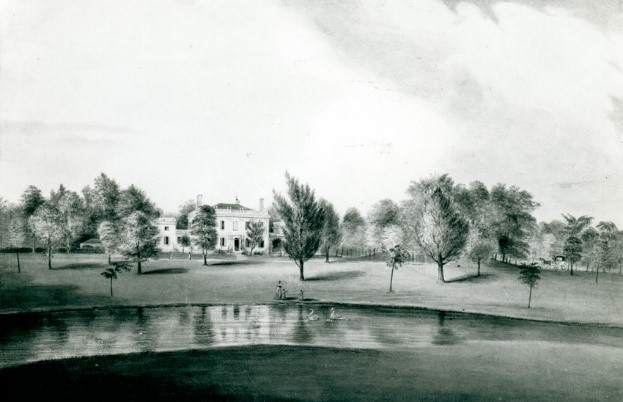
The original approach to the mansion was a tree-lined road through the front meadow, with a white stone bridge spanning the upper and middle ponds. In 1833, after a dispute with the town over failure to pay the bridge tax, Theodore Lyman dismantled the bridge and rerouted the shaded drive as it lays now.
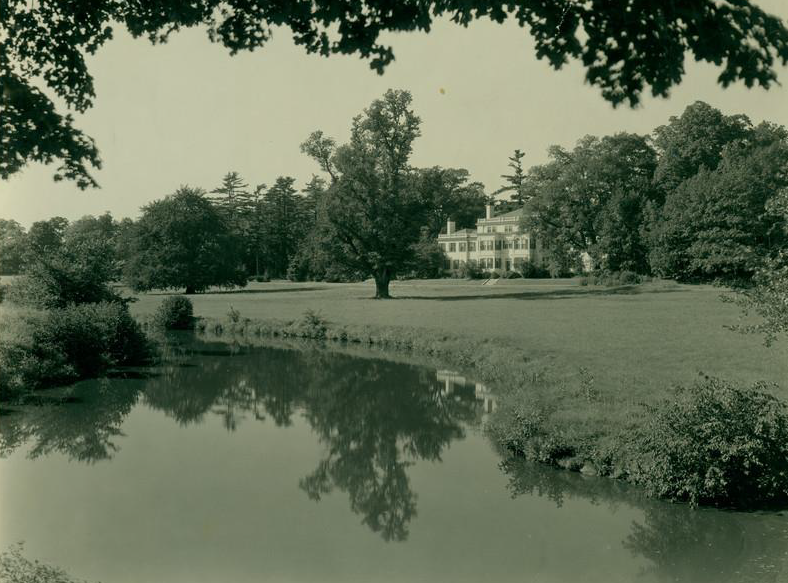
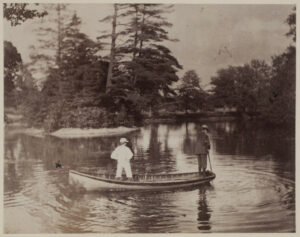
The upper and middle ponds are still visible today. When the estate was first laid out, the ponds played an important part in creating a landscape with natural, fluid and graceful lines. Landscape gardener William Bell, a recent immigrant from Great Britain, would have been familiar with the work of Humphry Repton, who transformed the formal landscapes around England’s great houses to create a relationship between house and landscape as a picturesque whole. Historic New England has recently undertaken work to selectively remove invasive species long the banks of the brook in order to re-establish vistas across the water to the farm field.
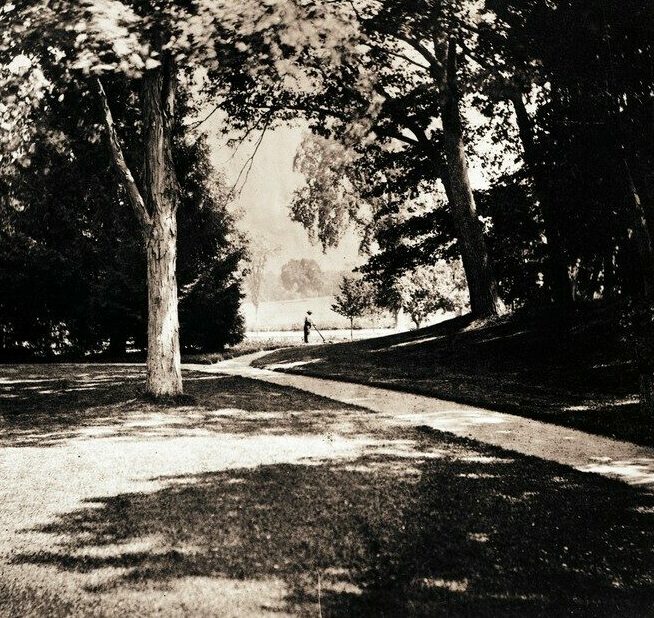
In the photo below, a laborer mows or rolls the lawn along the path leading to the peach wall. The winding garden paths were designed to meander through artfully placed groves of trees and past garden features, unfolding new vistas to ensure the visitor was delighted by the changing landscape.
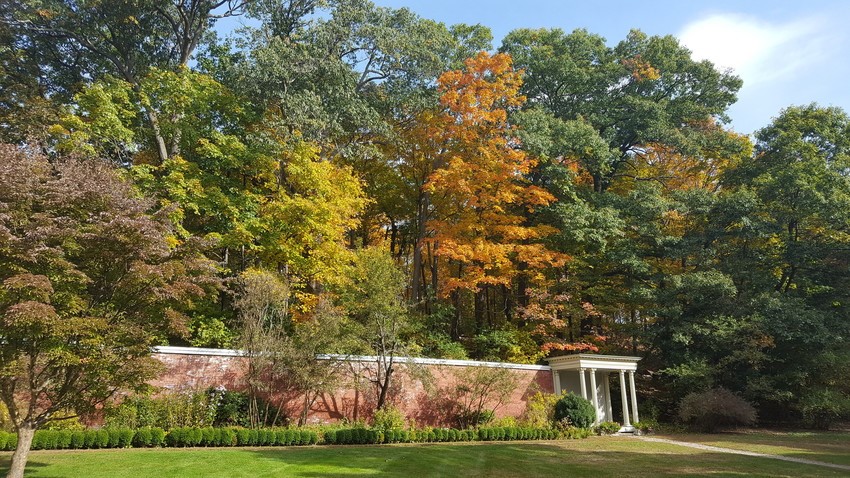
The 400-foot brick peach wall was initially planted with espaliered peach trees and enclosed in a boxwood hedge. The espalier technique trains a plant’s branches to grow flat against a wall. In this case, the brick wall absorbs heat and contributes to the plant’s growth and development. Historic New England has recently re-established peach trees along the wall near the greenhouse.
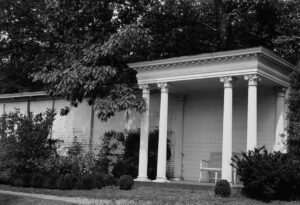
The portico now at the end of the peach wall is an original McIntire design that was moved off the back of the mansion during the Victorian renovations in the early 1880s.
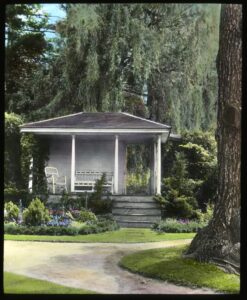
Early in the history of the estate, a wooded knoll established beyond the peach wall contained a park with a herd of imported spotted deer. The door in the garden structure in the middle of the peach wall was once the gateway to these woodland gardens.
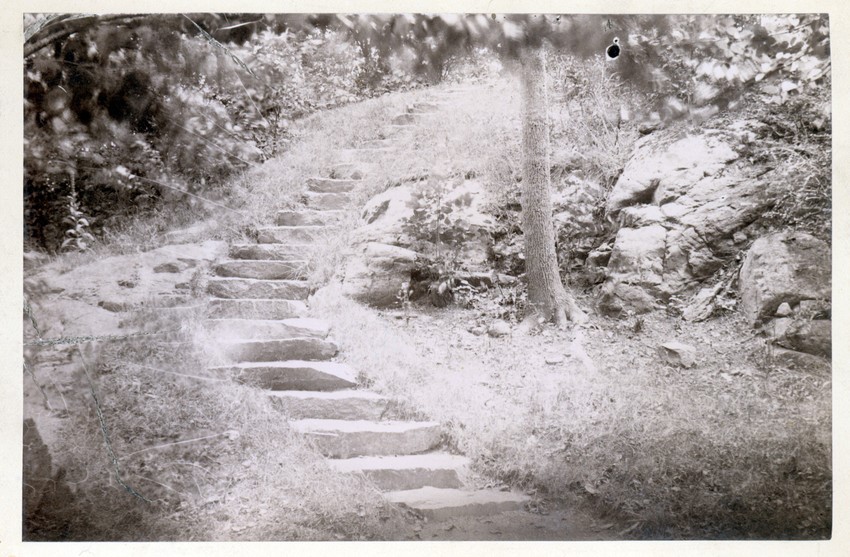 The hill rose up behind the peach wall and was landscaped to include wild gardens with picturesque rock outcroppings and walking paths. The woodland stretched along Beaver Street towards Linden Street and beyond Forest Street to the north and east of the mansion’s pleasure grounds.
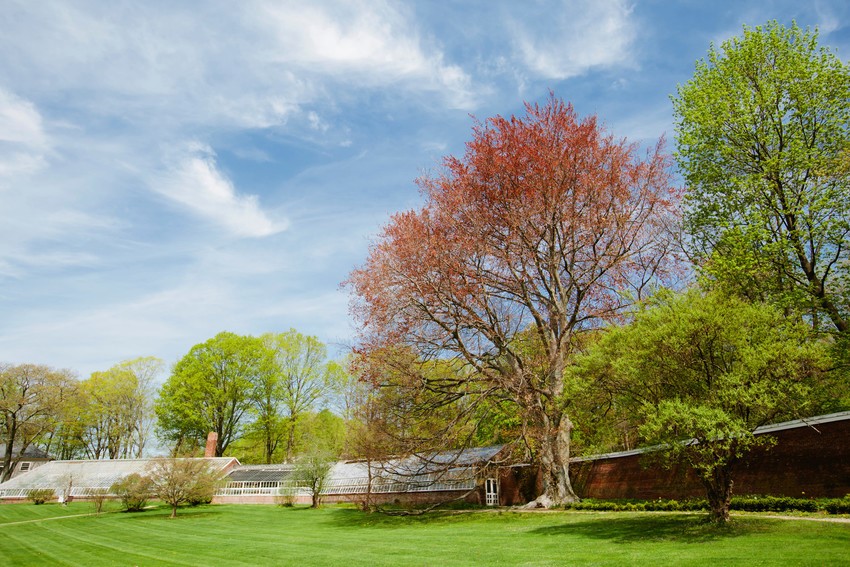
The Lyman family collected exotic flora to ornament their estate. Some of the first European Copper Beeches planted in America were brought to The Vale in the 1820s. A century-old Copper Beech still stands in the garden, providing shade to the historic camellias growing in the greenhouse below its canopy. As founding members of the Massachusetts Society for the Promotion of Agriculture, Theodore and his son, George, advanced agriculture and greenhouse floriculture by experimenting with forward-looking practices. By Theodore’s death in 1839, his country seat had grown to almost 400 acres and included meadows, woodlands, a working farm, a carriage house, gardener’s cottage, and various farm buildings.
The Vale building and grounds were documented in the mid 1930s. The documentation captures the condition of the landscape before the great hurricane in 1938 that downed many large old trees. A few of note that remain today are the sugar maples at the entryway and the large tulip tree by the parking lot.
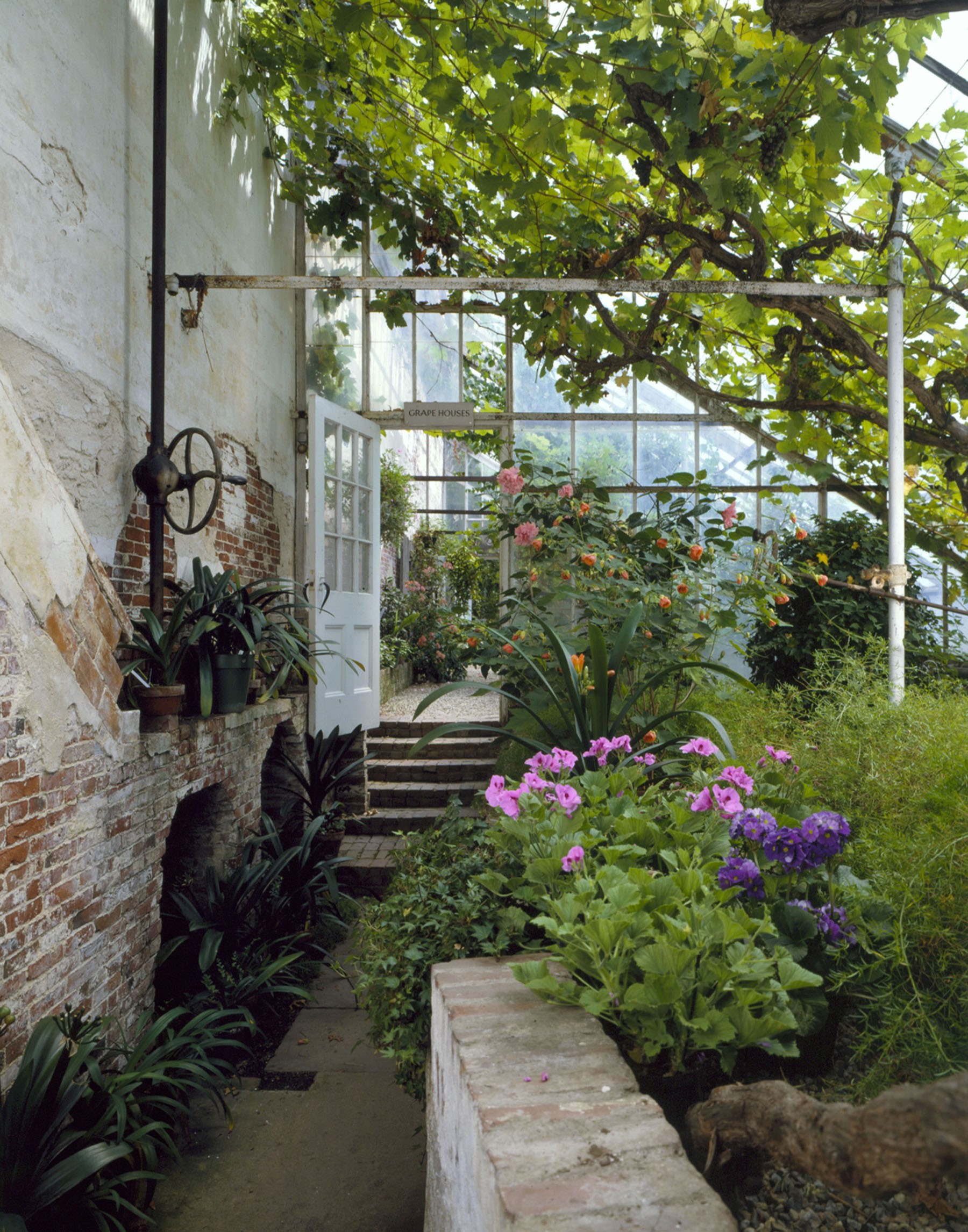
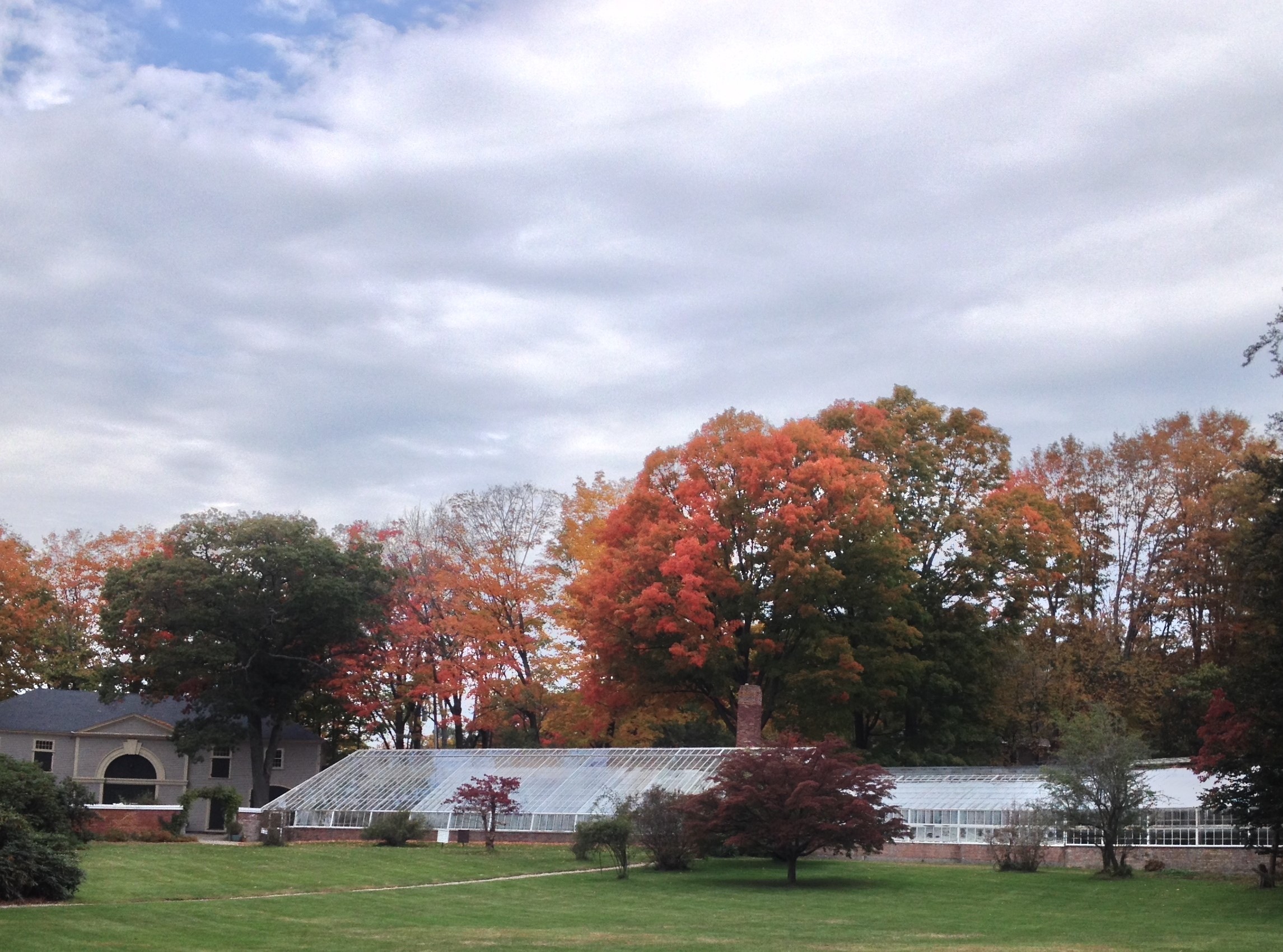
The estate’s greenhouse complex is one of the oldest surviving examples in the country. It includes an 1804 three-part structure for citrus, figs, pineapples, bananas, and other fruits, a greenhouse type known as a “bark pit” greenhouse (a hole dug into the ground with an attached glass frame), and an 1820 greenhouse for the cultivation of camellias, a popular pursuit among Boston’s gentry. The greenhouses were further expanded in 1840 and again in the twentieth century. Today, they are renowned for their hundred-year-old camellias and grapes and their broad selection of orchids, along with choice specimens available for purchase and expert advice.
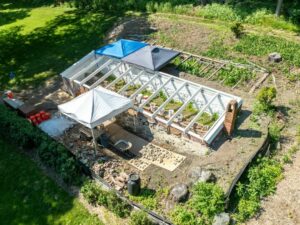
The Bark Pit Greenhouse has undergone recent renovation work including restoring the masonry and overhead sliding windows. Historically, it relies on decomposing tree bark placed in beds, or “pits,” as a source of heat. In addition to the bark pits, the greenhouse features a firebox and an interior horizontal chimney that provides radiant heat. In Lyman’s time, the greenhouse was integral to the kitchen gardens that surround it. The estate’s gardener would start vegetables in the greenhouse to get a jump on the growing season and place partially submerged pots with pineapple plants and other exotic fruit in the bark beds to keep their root systems warm over winter. Historic New England plans to eventually use it for its original purpose—to grow plants.
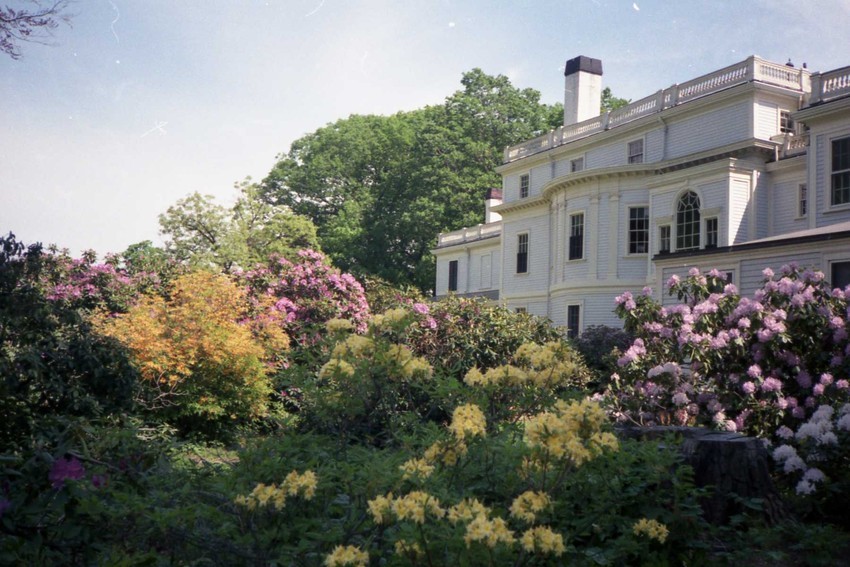
During the Victorian period of the late 1800s, the Lyman family embellished the landscape by planting flowering shrubs along the pathways and cutting flower beds into the lawn. Behind the house, the rhododendrons, azaleas, and magnolias planted before the Civil War still light up the yard each spring. Vegetables, sheltered by a boxwood hedge, were grown in the garden along the peach wall. Later replaced by annual and perennial flowers, the kitchen garden was moved behind the wall out of sight. Orchards of apple, pear, and peach were planted on the property in the lawn by the rhododendrons, throughout the kitchen garden, and up the hill towards the farmhouse next door.
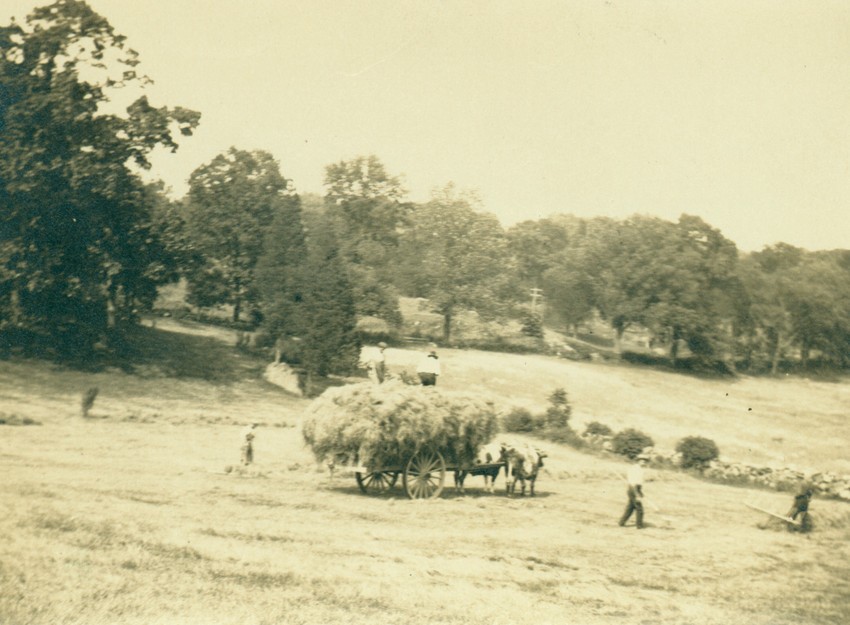
Land on the south side of the ponds as well as north and east of the mansion were under cultivation for most of the Estate’s existence. As a busy working farm, hundreds would have labored on the property over the years. In the mid-1880s as many as fifteen staff lived and worked on the property, including domestic staff, but also a farm manager, farm hands, and gardeners. By this time, farm manager James B. Wentworth had lived at the on-site farmhouse with his wife Sarah and their kids for around 50 years. According to the 1880 agricultural census records, he managed the 24 working oxen, 69 poultry, 18 swine, and 100 tons of hay and $1115 (around $27,300 today) worth of rye bushels that year on the Estate.
Day-laborers who did not live on site were also hired occasionally. Seasonal tasks like haying required teams of workers to rake, stack, and put up hay.
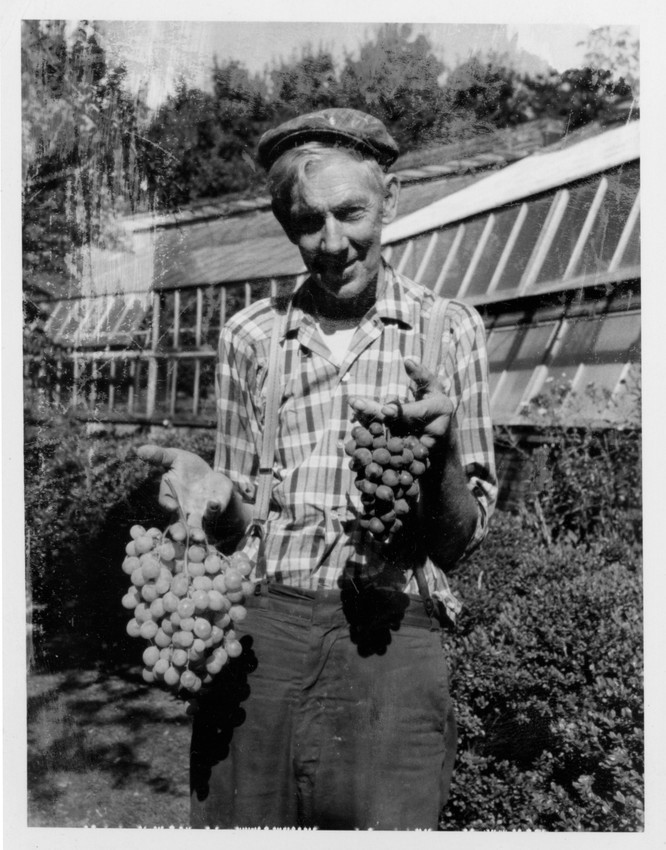
Later on in the 20th century, Fritz Nelson worked on the estate as a gardener for more than fifty years. Born to Swedish immigrants, he followed in his father’s footsteps and became a gardener, and by 1917 at the age of twenty-two he was working for the Lymans. He was a skilled grower and was credited for helping Mrs. Lyman win first prize for her single white camellia at the flower show at Horticultural Hall in 1940. His wife, Sarah, worked as a member of the domestic staff at the mansion and they lived elsewhere in Waltham.
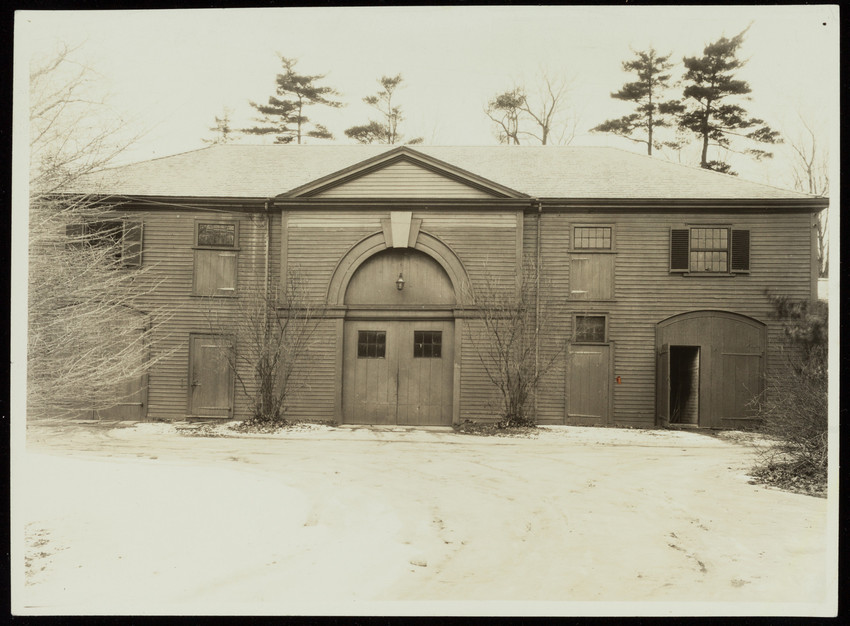
A carriage house and gardener’s cottage still remain as part of the estate. The carriage house featured a hay loft on the second floor with horse stalls, tack storage, and space for carriages. Grain bins and grain chutes allowed for distribution of horse fodder. When automobiles came on the scene, the carriage house was used as a garage. Historic New England’s Property Care staff and carpentry shop is located on first floor the carriage house and the gardener’s cottage is occupied by a tenant.
Arthur T. Lyman, the third generation to own the Estate and who lived here throughout his life (1832-1915) was well known for bestowing on his friends and strangers gifts of flowers from his garden and greenhouses. Fondly called “Poss” by his grandchildren, he epitomized the Lyman family commitment to the Vale and it’s tranquil landscape. “It’s in the first snowdrops and forsythias, it’s in the damp plowed fields and rippling wheat, it’s in the rose, azalea and the last anemones. There’s scarcely a flower we haven’t learned to love with Poss or planted with him.”
The historic Lyman landscape is open every day dawn to dusk. Dogs are welcome but must be leashed and under control at all times. Please clean up after your dog.
The Lyman Estate mansion is open for guided tours on select Saturdays and the Lyman Estate Greenhouses are open Tuesday – Saturday.
Special group tours of the house, landscape, and greenhouses may be arranged by appointment. Weddings and other special events are held in the mansion and in the landscape.
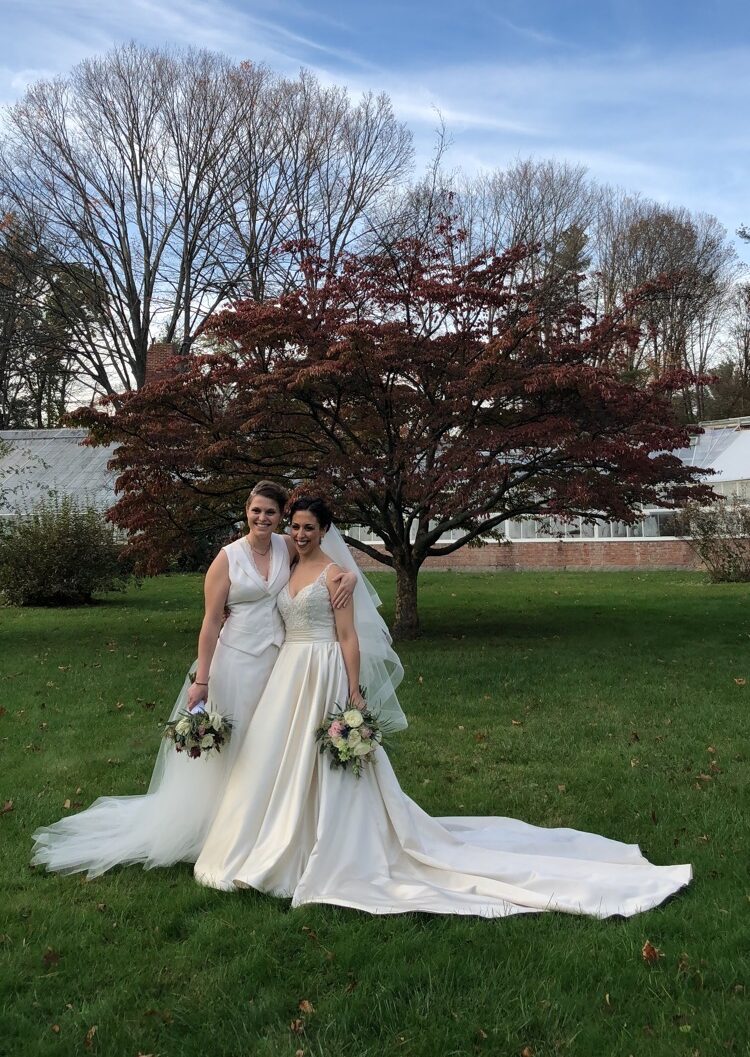
Photo credit: Nicole Skarbek
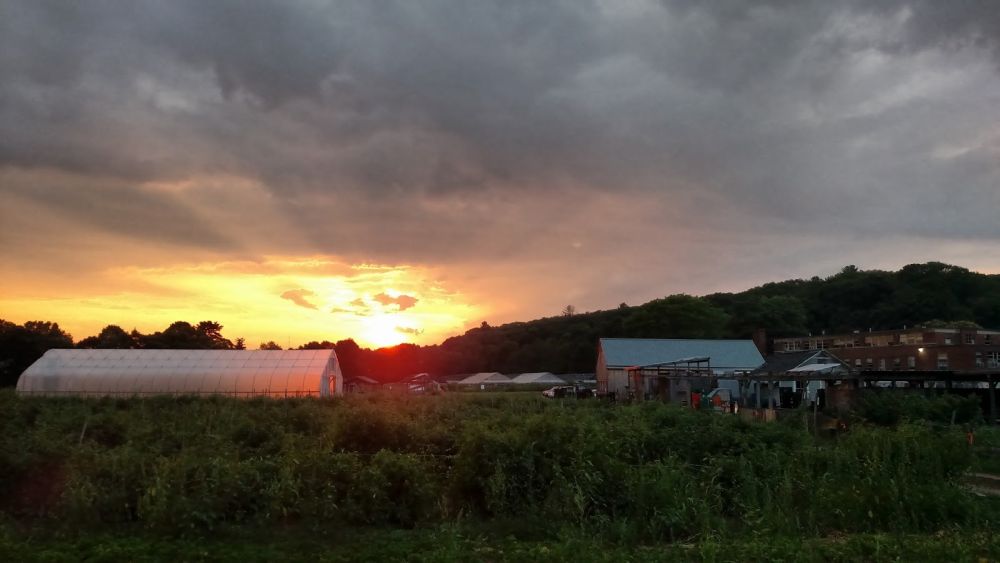
Waltham Fields Community Farms tends three acres of the Lyman Estate property. Their work includes the operation of a Community Supported Agriculture (CSA) program and the cultivation of sustainable and equitable relationships between people, their food supply, and the land from which it grows. The Waltham Land Trust maintains an extensive series of trails, one of which passes through the Lyman Estate.
Sign up to our newsletter for our latest news and events