
Located thirteen miles from the Atlantic Ocean, on thirty-five acres overlooking what is now called the Salmon Falls River, the Hamilton House landscape encompasses hayfields, tree groves, wetlands, and shoreline and is home to a variety of pollinators and native bird populations, including bluebirds, herons, and eagles.
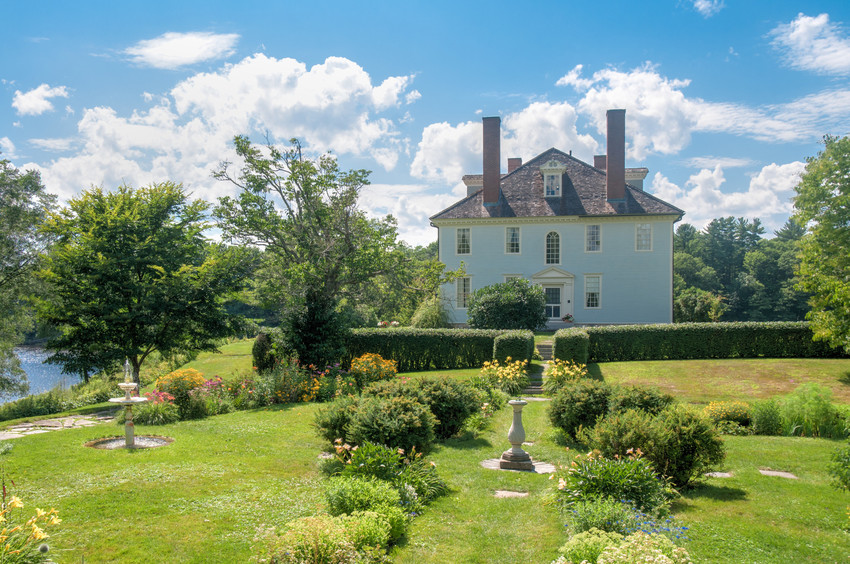
Open daily to the public dawn to dusk, Hamilton House is regarded as one of the region’s most beautiful landscapes. Yet, the site also bears witness to the past. The finely manicured grounds and wild-seeming river of the present hide the ways in which wars, wealth, and displacement can be traced to different eras on this site.
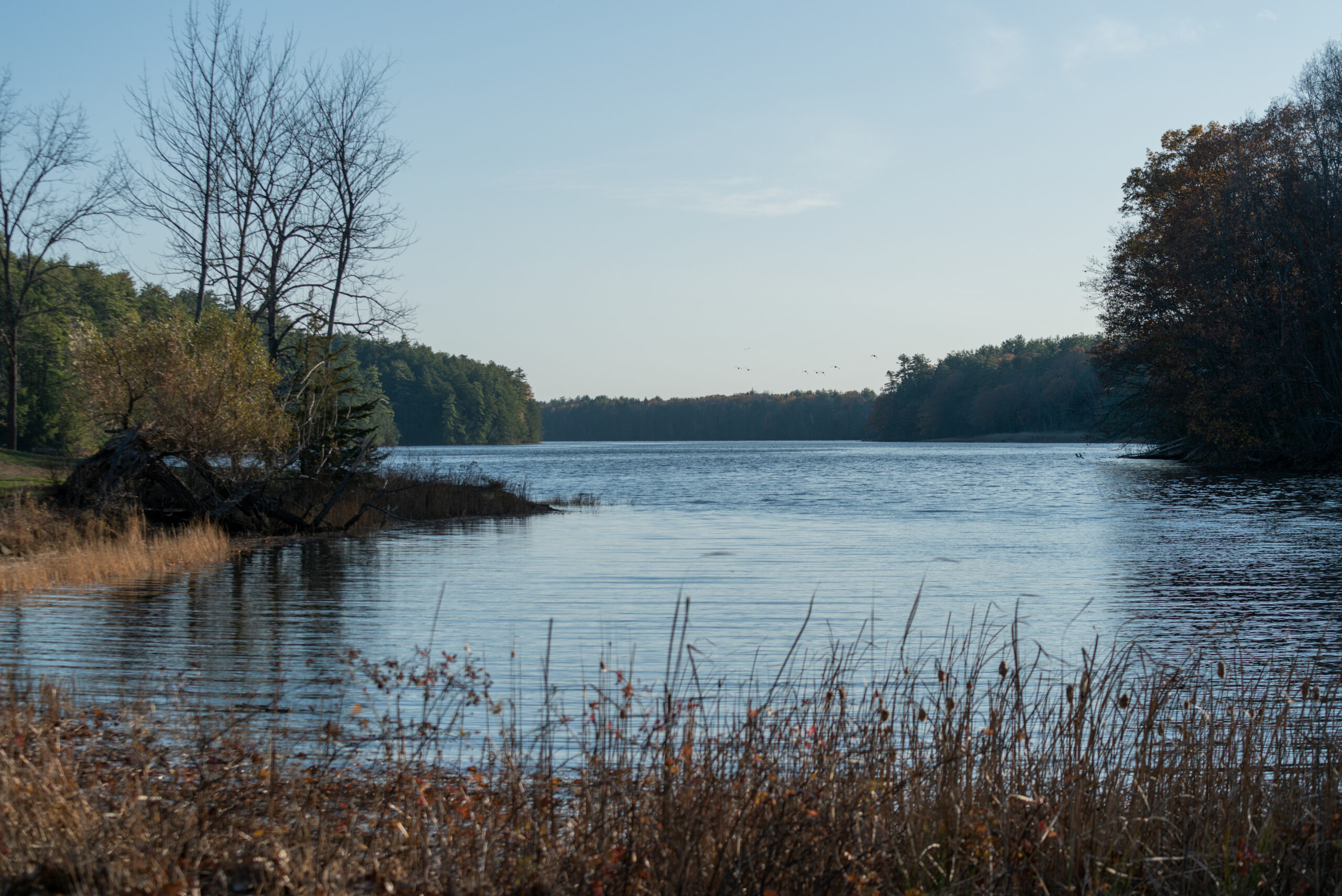
For at least 13,000 years, the Wabanaki, or “People of the Dawn,” lived on and with the land here, in this area they named Quamphegan.
Naming this river Newichawannock, or “river of many waterfalls,” the Wabanaki relied on waterways as transportation routes, using dugout and birchbark canoes, and for their main source of food: Quamphegan Falls, a mile upriver from the Hamilton House was an important fishing site on the river for catching migratory fish including alewives, shade, salmon, and eels.
Early attempts to coexist with European colonists in the early 1600’s later led to a series of worsening conflicts between around 1670 and 1720. Through persistence and resilience, today’s Wabanaki people living in Maine continue to thrive.
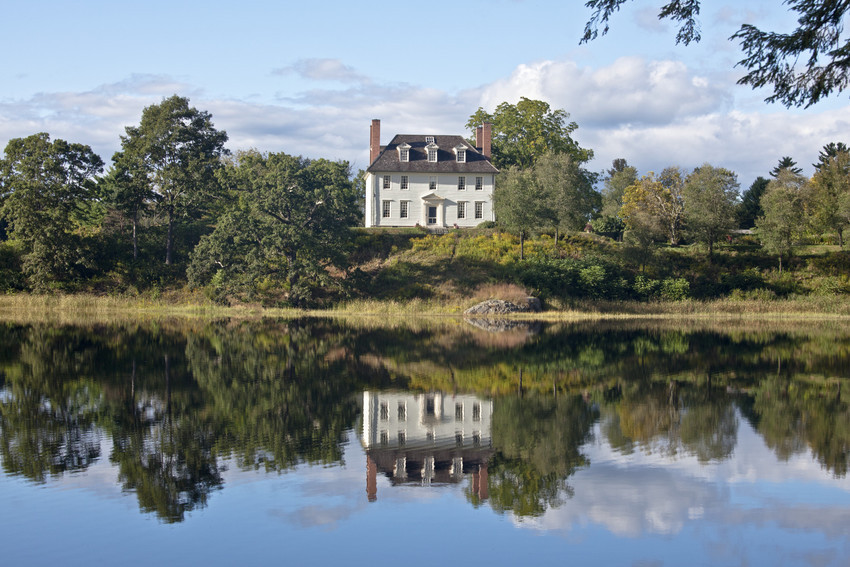
In the late 1700’s, after European colonists took ownership of the area now known as South Berwick, Maine, Jonathan Hamilton purchased the site for his shipping enterprise.
A merchant trading heavily in the West Indies, Hamilton profited from the labor of enslaved people. Tax records from 1784 show that there was one person of color living at the site, potentially a free person who was formerly enslaved.
Shortly after Jonathan Hamilton’s death in 1802, the West Indies trade in this region collapsed. Hamilton House passed out of the family hands in 1815.
Today, eighteenth-century wharf pylons from Hamilton’s day are still visible in the river at low tide.
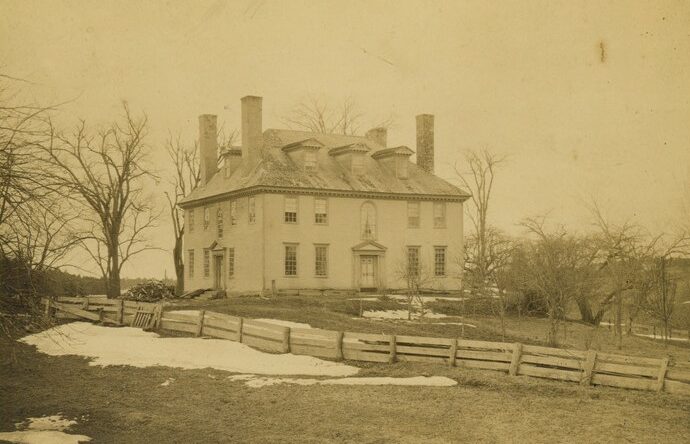
In 1839, Alpheus and Betsey Goodwin bought the Hamilton House and surrounding land for use as a farm.
To transform the rundown former estate of Jonathan Hamilton into a useable farm, the Goodwins had to make changes: warehouses and stores of Hamilton’s shipping trade were torn down, and the formal garden was made into an apple orchard. A barn was erected, and the Goodwins’ sheep grazed in the surrounding fields that surrounded the house.
With eleven children and one of the largest flocks of sheep in the area, the Goodwins were prosperous farmers for nearly sixty years.
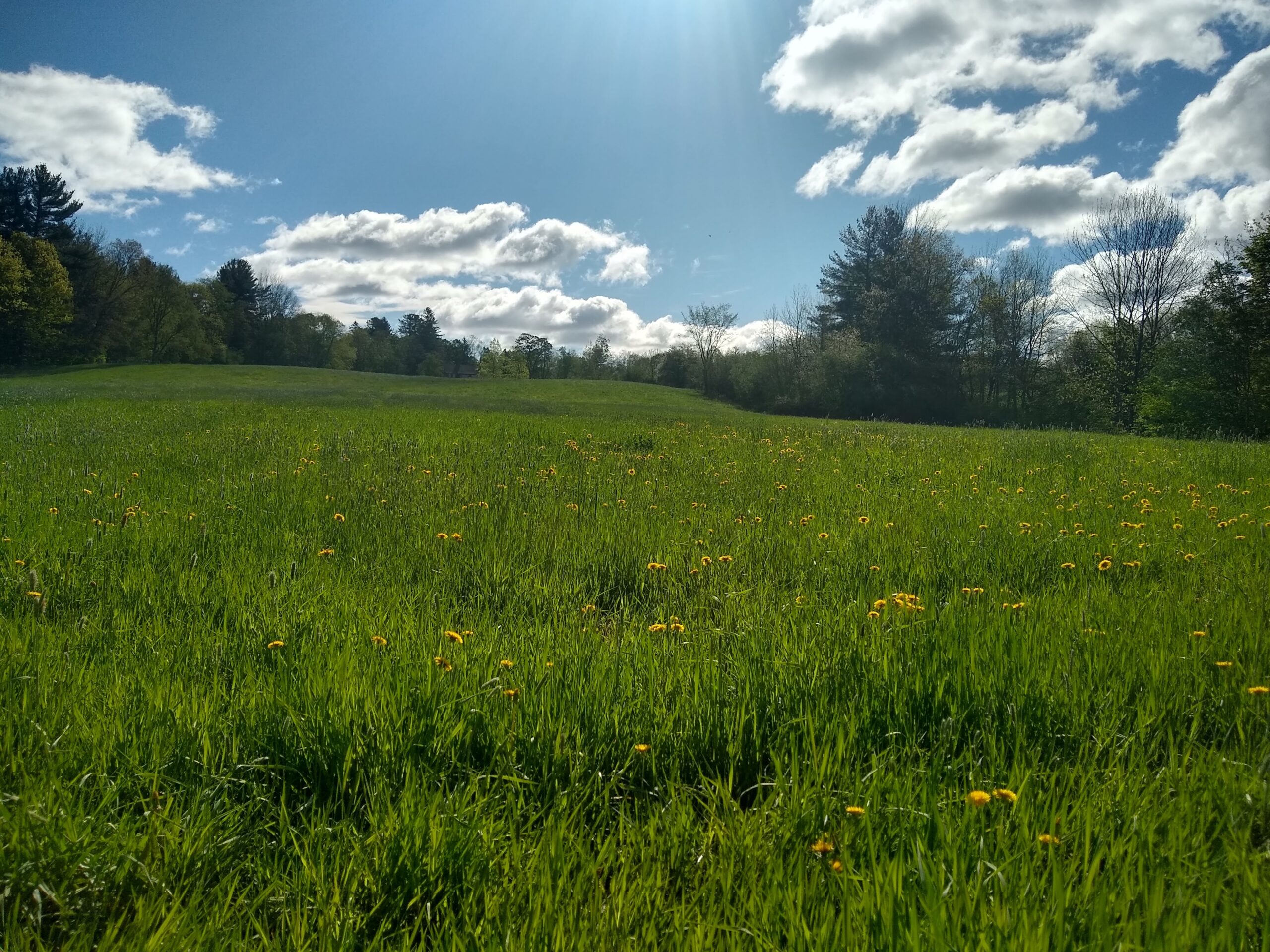
Though the Goodwin’s farm prospered for decades, the advent of the railroad in the mid-nineteenth century sent Maine farms into decline. Midwest farmers, with better soil conditions, could raise crops on a larger scale and have crops transported efficiently.
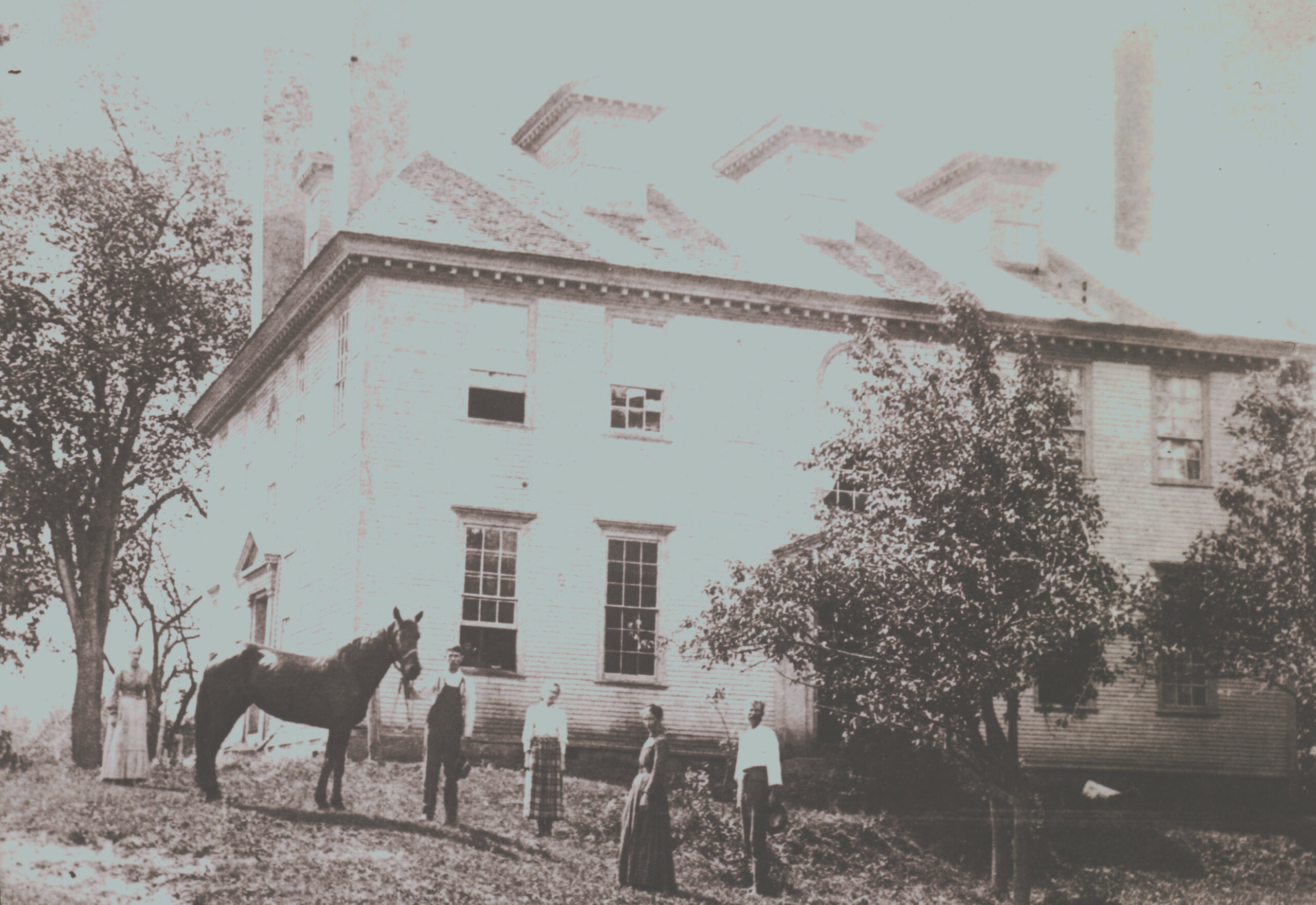
By 1898, Hamilton House had fallen into some disrepair, and was known locally as The Ruins. Many of the adult Goodwin children had left the farm by this time; the remaining family members decided to put the site up for sale.
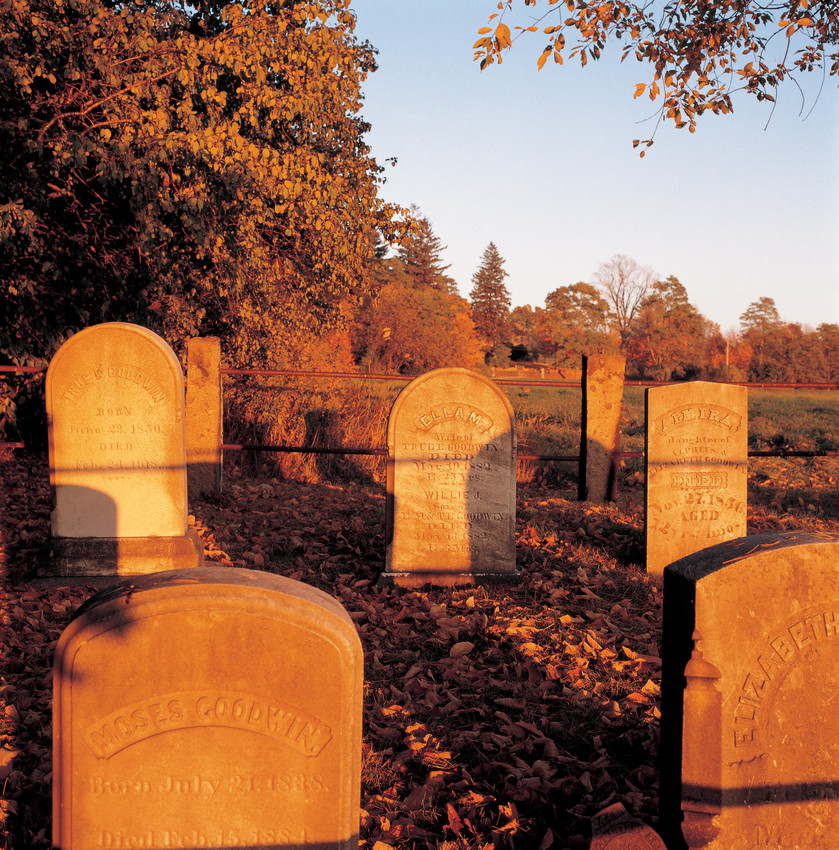
The Goodwin family cemetery on the upper field at Hamilton House.
Photo credit: David Bohl
Just as the railroad helped to shut down Maine farming, so it brought a new industry to Southern Maine: tourism. Southern Maine became a destination for summer vacation homes.
Iconic Maine author and nearby South Berwick resident Sarah Orne Jewett described Hamilton House in her 1881 essay, “River Driftwood:” “…This same Hamilton house, — which seems to me unrivaled for the beauty of its situation, and for a certain grand air which I have found it hard to match in any house I have ever seen.”
Jewett had loved Hamilton House since childhood, when she would visit with her father, Dr. Theodore Jewett, on house calls. She rode her beloved horse Sheila through the fields at Hamilton House, canoed in the river, and walked in its woods.
In 1898, Jewett went on a mission to find buyers for Hamilton House. She found these buyers in Boston acquaintances Emily Tyson and her stepdaughter Elise Tyson, who purchased the house for a country retreat.
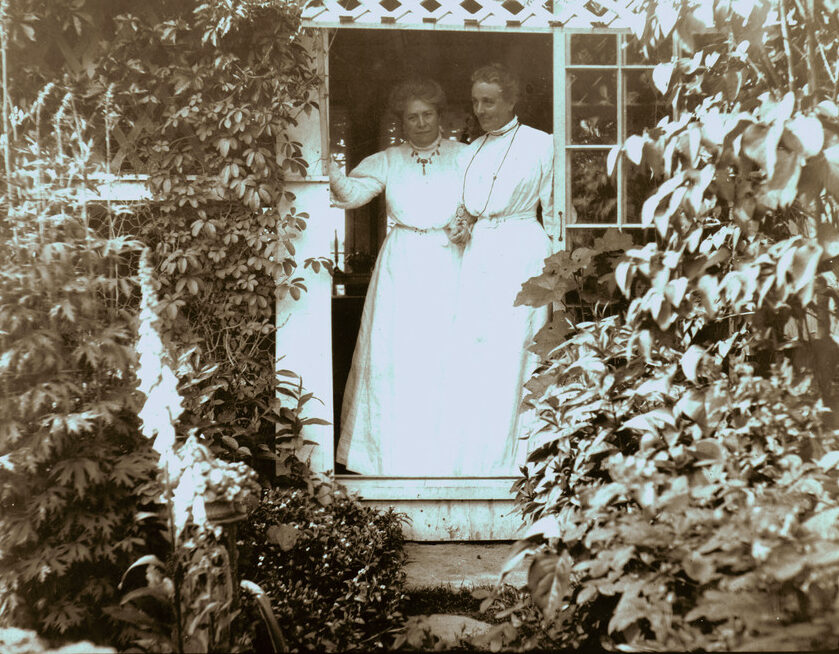
Emily Tyson, left, and Sarah Orne Jewett, right, in the doorway at Hamilton House, 1905. Photo taken by Elise Tyson (later Vaughan).
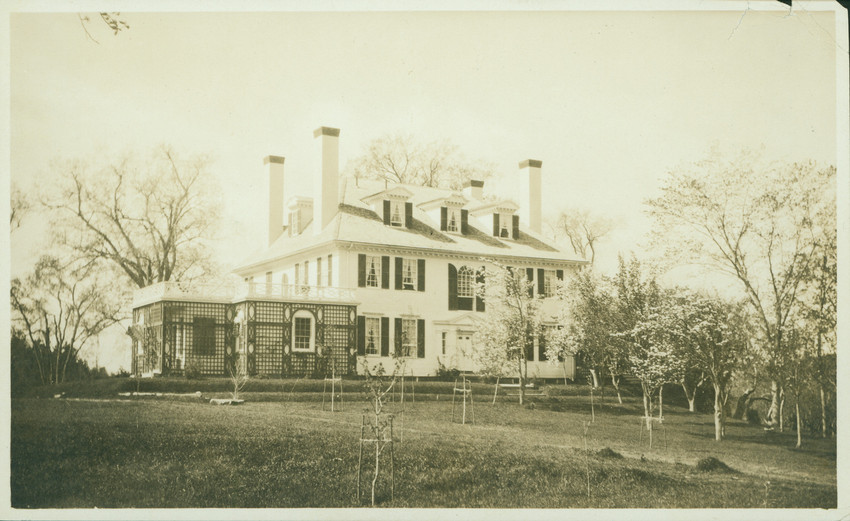
The Tysons hired Herbert Browne of Boston architectural firm Little and Browne to create their country retreat. The Tyson’s design aesthetic for the site was one of indoors flowing seamlessly into outdoors.
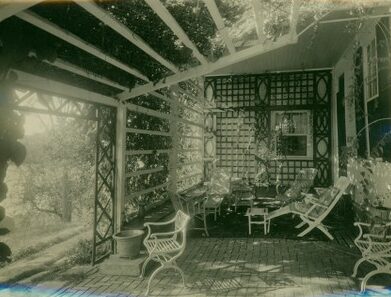
They added ells covered in trellises to provide sleeping porches, restrooms, modern kitchen, and laundry while maintaining the aesthetic of harmony.
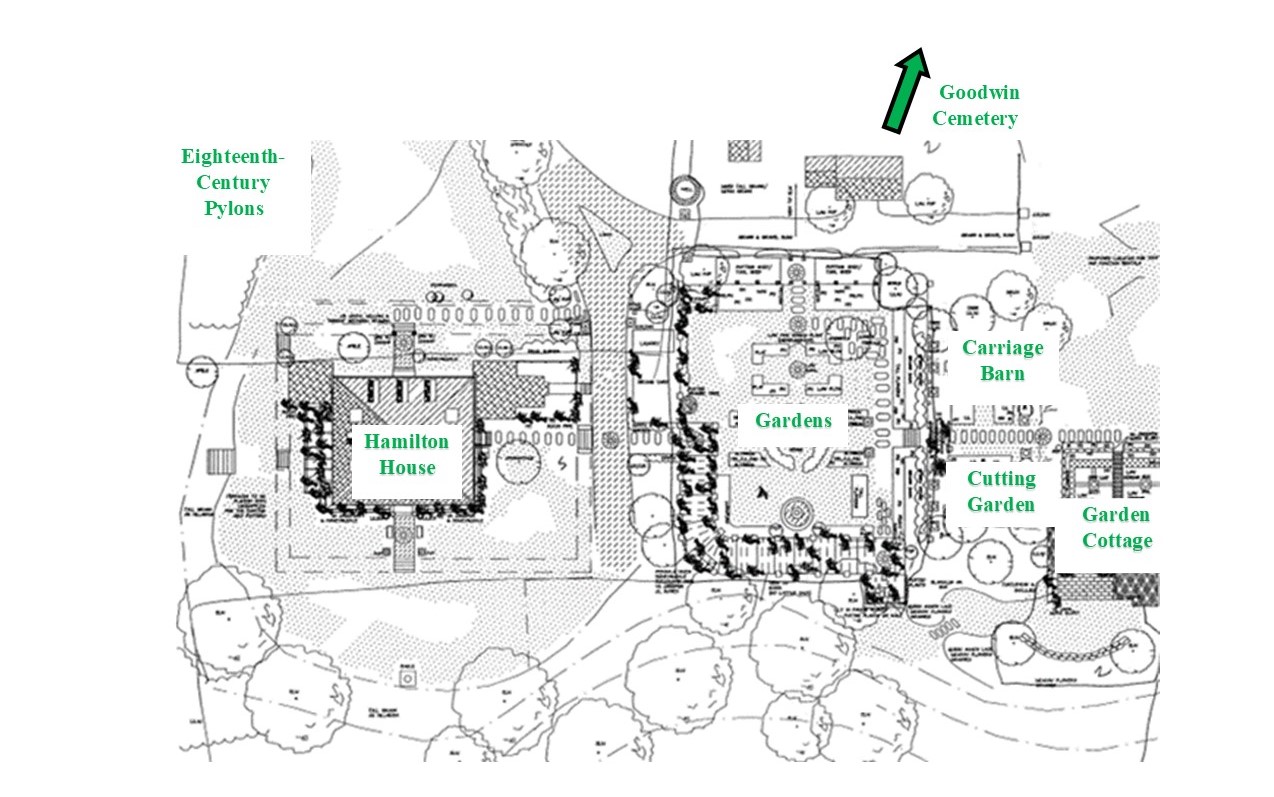
Emily and Elise Tyson were avid gardeners and with the help of the Little and Browne architectural firm, they created a lush sunken garden overlooking the river in the foundation of the Goodwin Barn, which they moved to its present site on the grounds. The garden was aptly featured in a 1929 issue of House Beautiful as the design intent was one of outdoor rooms, a variety of spaces, even including a team room, enclosed by pergola, and framed on one side by an arbor echoing the architecture of the house.
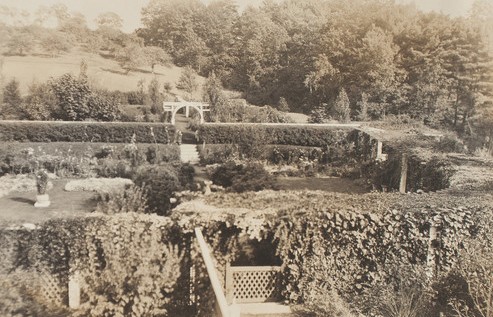
Today, the Hamilton House landscape is interpreted to the year 1929, the year of the House Beautiful article that provided photographic research for the garden restoration.
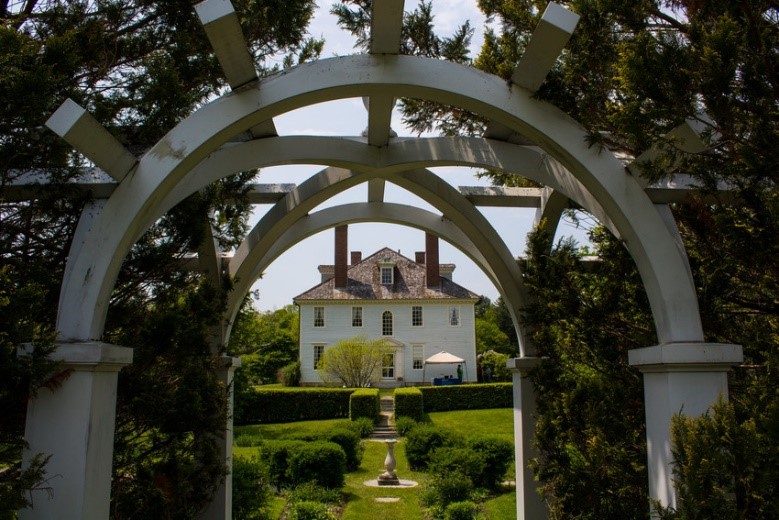
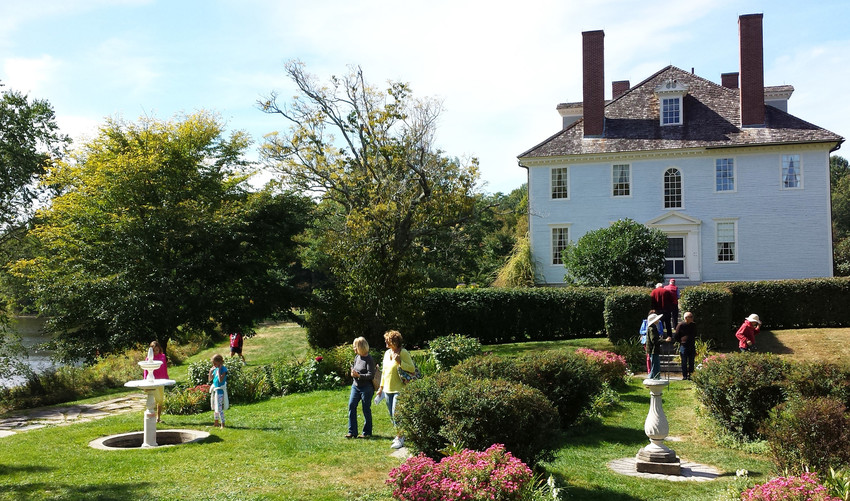
The elaborate perennial garden of Emily and Elise Tyson included a Carrera marble fountain they purchased in 1905, a sundial, and garden statuary, must-have elements of the fashionable garden of the day.
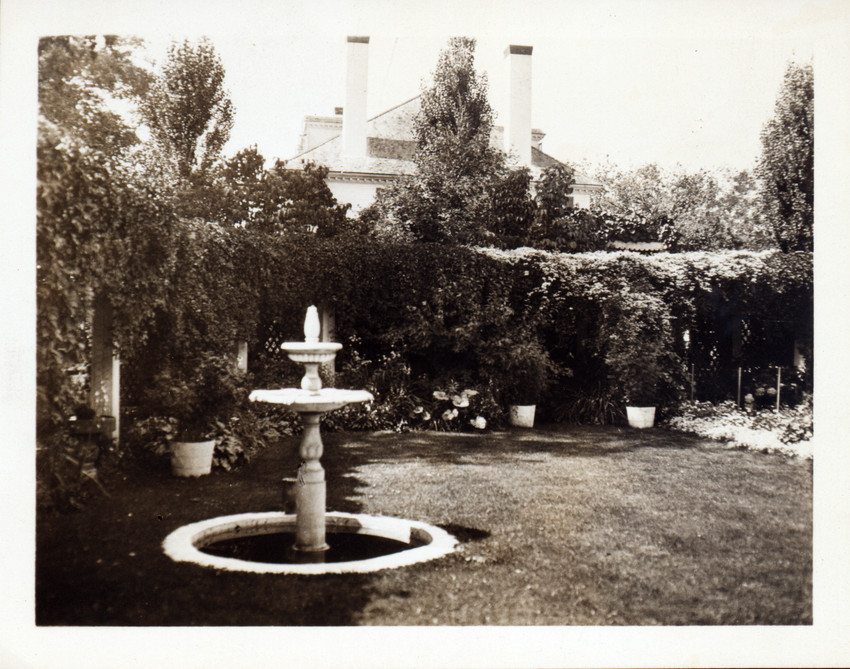
The Tysons also had a bird bath in the garden. Bird baths had become popular with a late nineteenth-century rise in the interest in and concern for birds, in response to their plight at the hands of the hat-making trade.
The 1905 Carrera marble fountain, sundial, bird bath, and some existing statuary still grace the gardens today.
The Tysons completed their extensive restoration of Hamilton House with the construction of a Garden Cottage in 1907. Built from salvage of Newington’s seventeenth-century Sally Stark House, which was being torn down, the Tysons created a place to entertain friends and enjoy the garden and the river breezes.
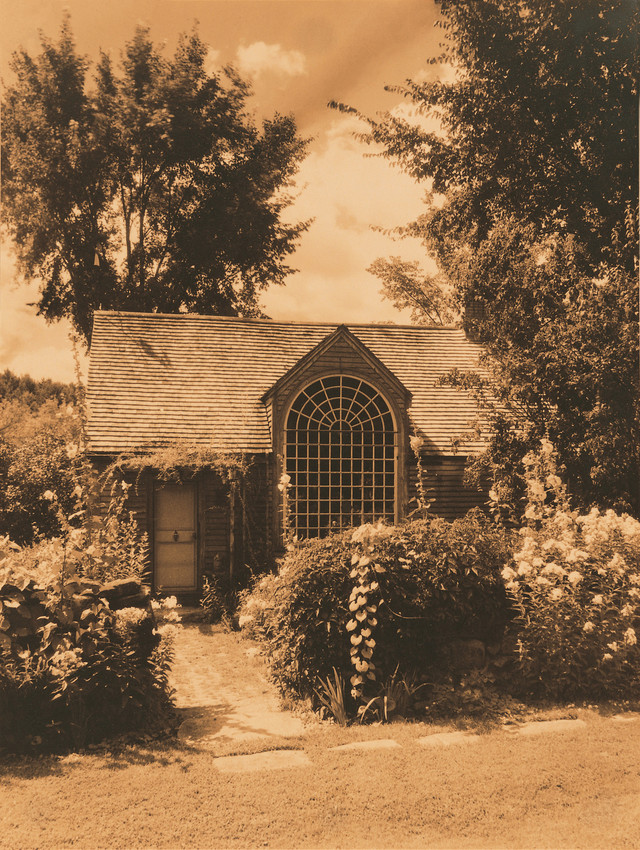
Elise Tyson, later Vaughan, later created a showcase here for her doll collection, number over one hundred.
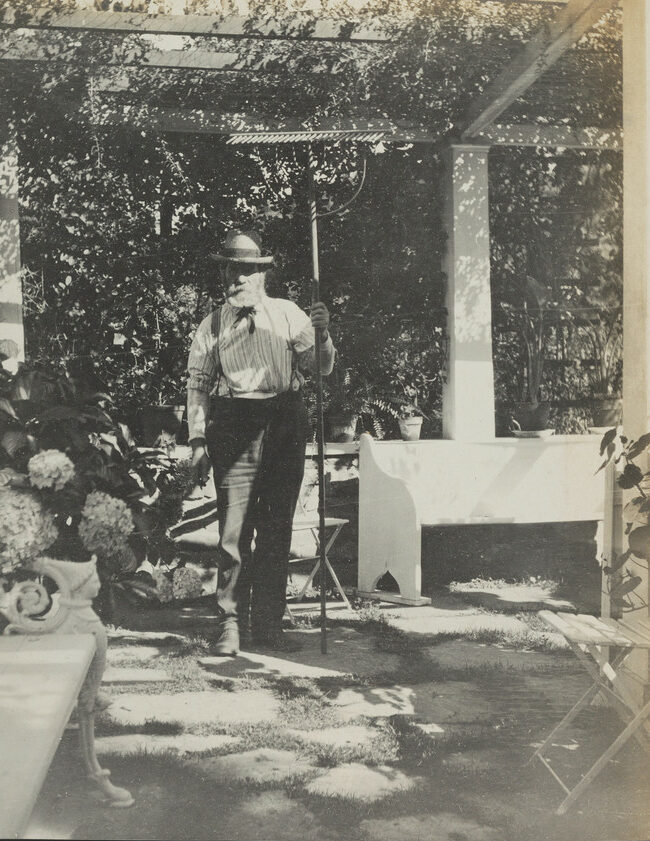
Photograph of Beatty in 1902.
Domestic staff made the Tysons’ life of relative leisure possible. The domestic staff at Hamilton House in 1900 included waitress Betty Pierson, nurse Eliza Curtis, laundress Annie Cannon, cook Margaret Quinn, chamber maid Maggie McPherson, and farmer Maurice Flynn. A man named “Beatty” cared for the Tysons’ garden.
A gifted amateur photographer, Elise Tyson captured life at Hamilton House in the early twentieth century, from winter sports to moments of quiet reflection.
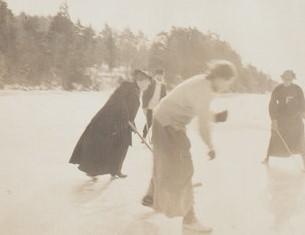
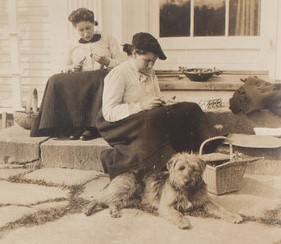
Hamilton House, taken together with its elaborate perennial garden and charming garden cottage the Tysons used for entertaining, reflects what Hildegard Hawthorne said in 1910: “It is all one harmony, house and grounds and human spirit.”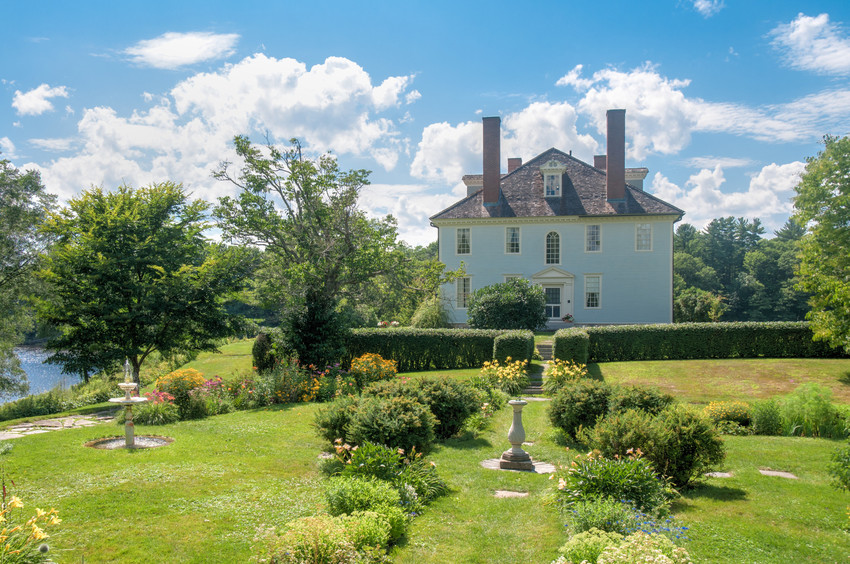
Emily Tyson died in 1922. Stepdaughter Elise had by this time married Henry C. Vaughan and the Vaughans kept and maintained the estate. When Elise Tyson Vaughan passed away in 1949, she left the house and its contents to Historic New England, formerly the Society for the Preservation of New England Antiquities. In addition, she left nearly 200 acres to the State of Maine for use as a state park.
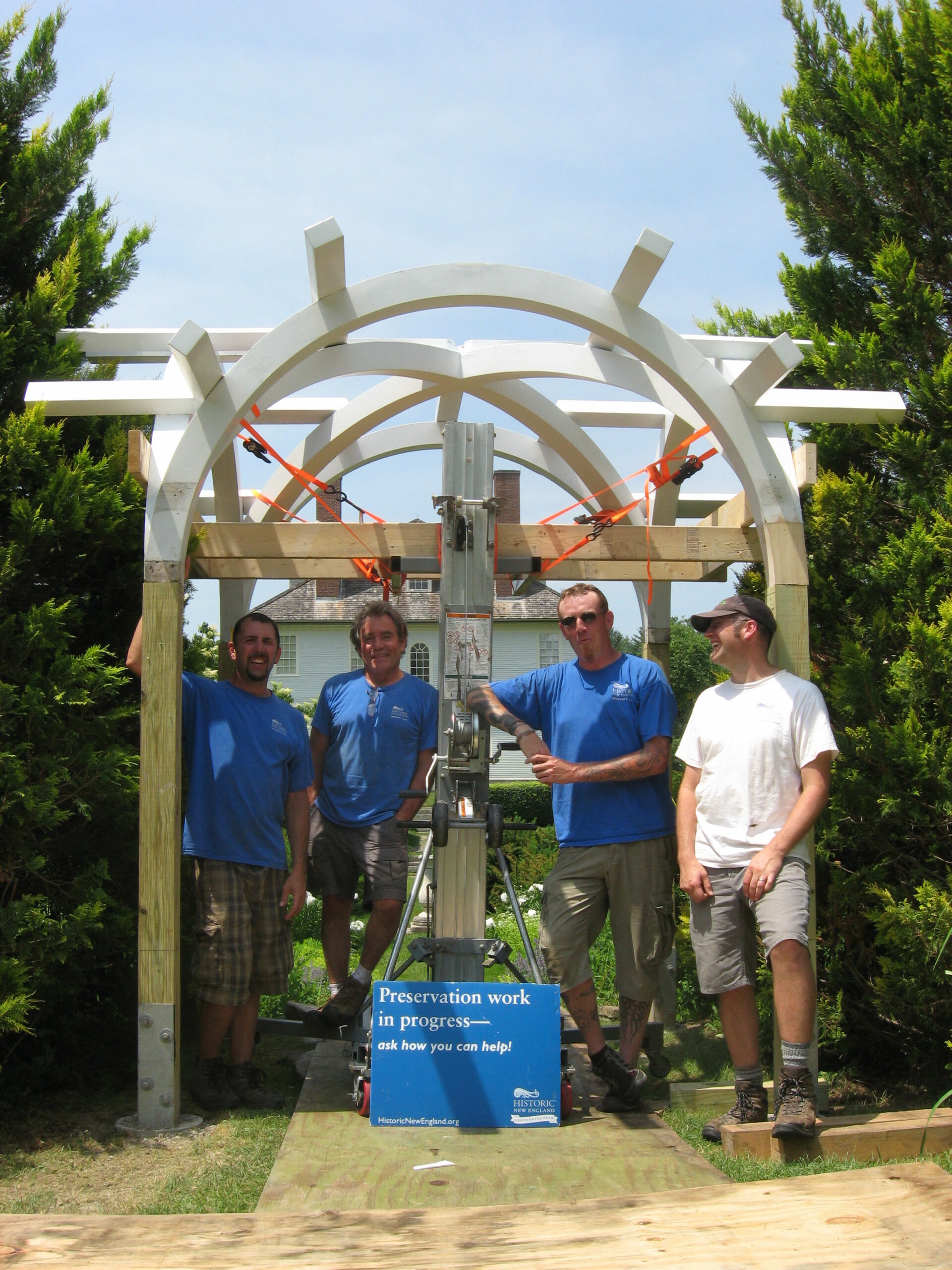
Today, Historic New England works to maintain and preserve the Hamilton House landscape and to promote its long-term health, fulfilling the mission to save and share the site for present and future generations.
Today, the Hamilton House landscape offers visitors a place for year-round recreation, contemplation, and celebration in its serene setting, but traces of its past, reflecting that of Southern Maine, can still be seen on site.
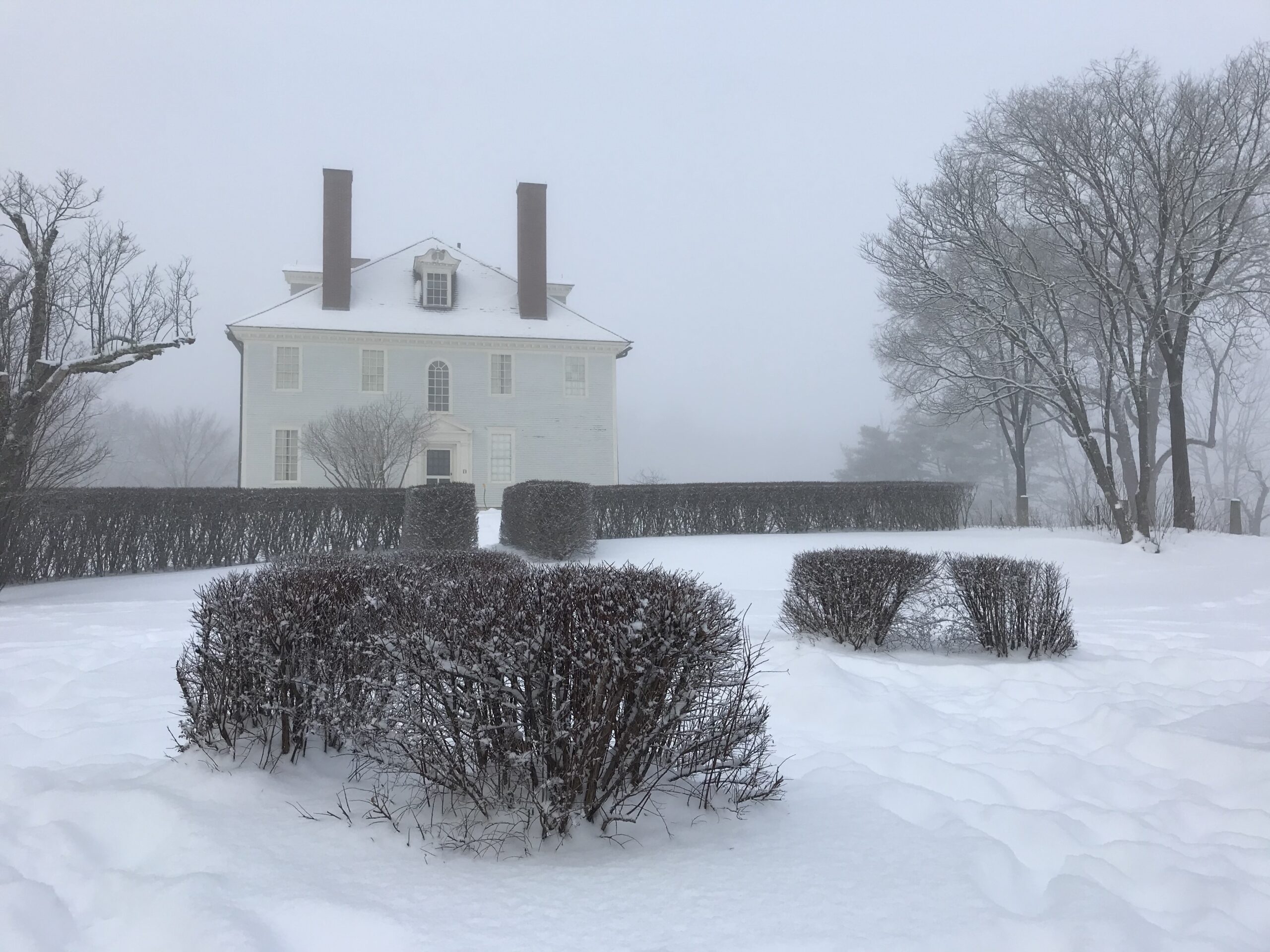
Hamilton House is open June through mid-October, for guided tours. Special group tours of the house and garden may be arranged by appointment. Weddings and other special events are held in the garden and landscape. Visitors may also enjoy hiking in the adjacent Vaughan Woods Memorial State Park.
Sign up to our newsletter for our latest news and events