
Nonprofit organizations across New England and beyond have experienced an uncertain start to 2025. Proposed federal policy changes are prompting more questions than answers, and funding disruptions have impacted nonprofit missions in all sectors, including arts and culture. In light of these events, Historic New England has been reflecting on the enduring importance of local partnerships and community support in driving successful historic preservation efforts.
While the long-term impacts of changes in federal policy remain unclear, a critical and reliable source of local funding for historic preservation continues without interruption in Massachusetts: The Community Preservation Act (CPA). This is a milestone year for the CPA, which first became law on September 14, 2000, following decades of advocacy. The law authorizes Massachusetts cities and towns to establish designated funds for local projects that support affordable housing, open space, recreational amenities, and historic resources.
Communities that adopt the legislation by ballot referendum are allowed to levy a small annual surcharge on local property taxes. The revenue from that surcharge (with a significant match from the state) is then distributed by a resident committee to qualified projects with public benefit, often managed by municipal departments or local nonprofit organizations. At a minimum, ten percent of a community’s annual CPA grantmaking must support historic preservation projects. These grants for the care and preservation of our historic sites are particularly meaningful, because they reflect careful decision making at the local level to invest in community assets that give each CPA city or town individual character and contribute to quality of life.
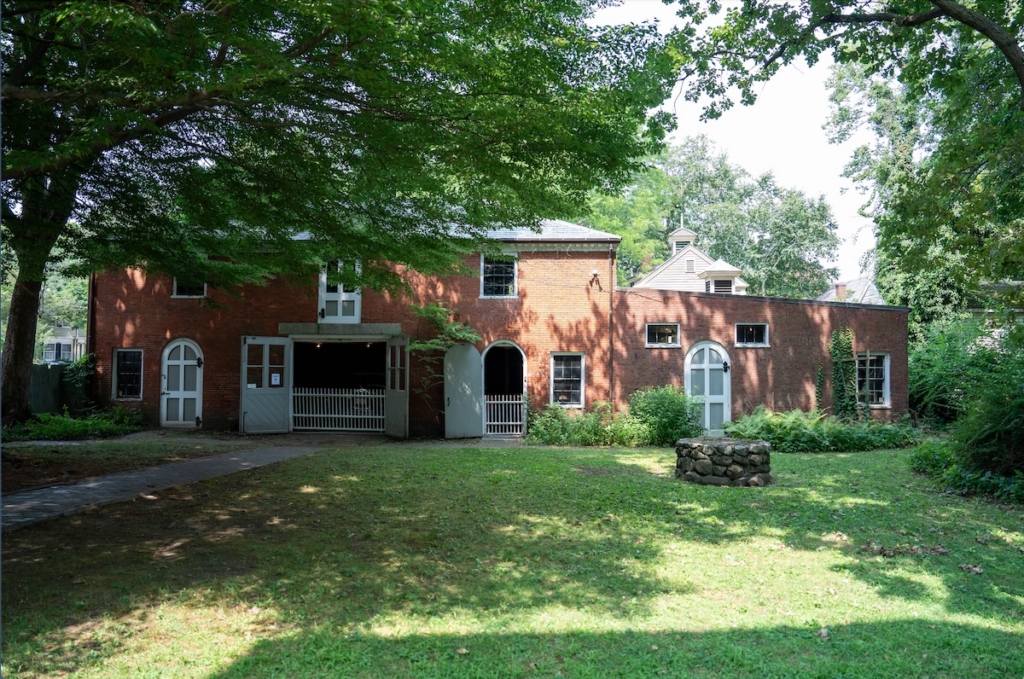
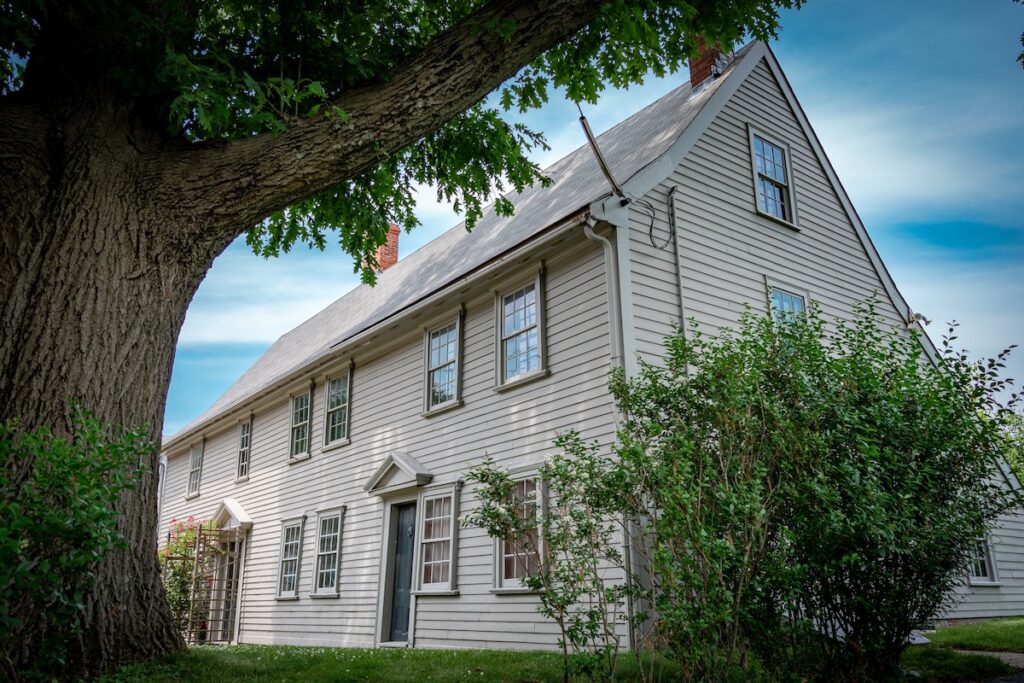
Historic New England is fortunate to have received critical project support from CPA communities over the years, including Boston, Cambridge, Gloucester, Quincy, Salem, Waltham, Watertown, and Yarmouth. These grants for the care and preservation of our historic sites are particularly meaningful, because they reflect careful decision making at the local level to invest in community assets that give each CPA city or town individual character and contribute to quality of life.
Recent and upcoming CPA-funded projects at Historic New England include:
Historic New England is incredibly grateful for these investments in our mission to preserve and share our sites with the public. Questions remain about the future of public funding for preservation, but our work—and the work of all preservation advocates—carries forward with essential community support.
Has your Massachusetts city or town adopted the Community Preservation Act? A full list of CPA communities—plus more information about program history, the CPA adoption process, and a searchable database of funded projects from across the Commonwealth—are available at www.communitypreservation.org.
Written by Katherine Pomplun, Institutional Giving Officer
Sign up to our newsletter for our latest news and events