
Welcome to the Codman Estate, home to five generations of one family. Although the surnames of owners have changed over time from Chambers to Russell to Codman through marriage and inherited property, one continuous family line owned the estate starting in Colonial times, from c. 1708 until 1968.
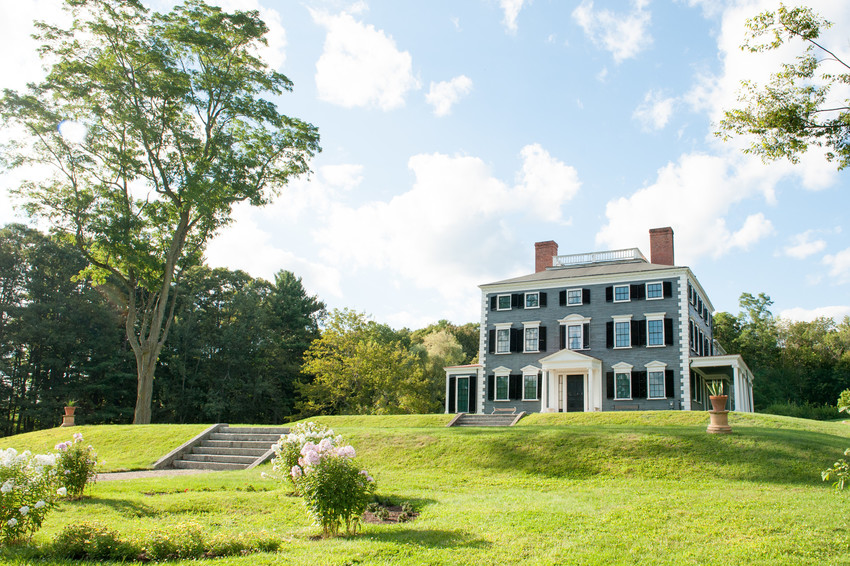
The Codman Estate was a working farm, at one time encompassing 680 acres. Today Historic New England cares for the estate’s remaining sixteen acres immediately surrounding the house. The mansion is a fine example of neo-classical architecture that is visible today and is defined by specific time periods: elements of 1730 Georgian, 1799 Federal, l863 Colonial Revival, and 1880’s servants wing. Much of the neighboring land that you see was once part of the estate and is now maintained by the Town of Lincoln as conservation land.
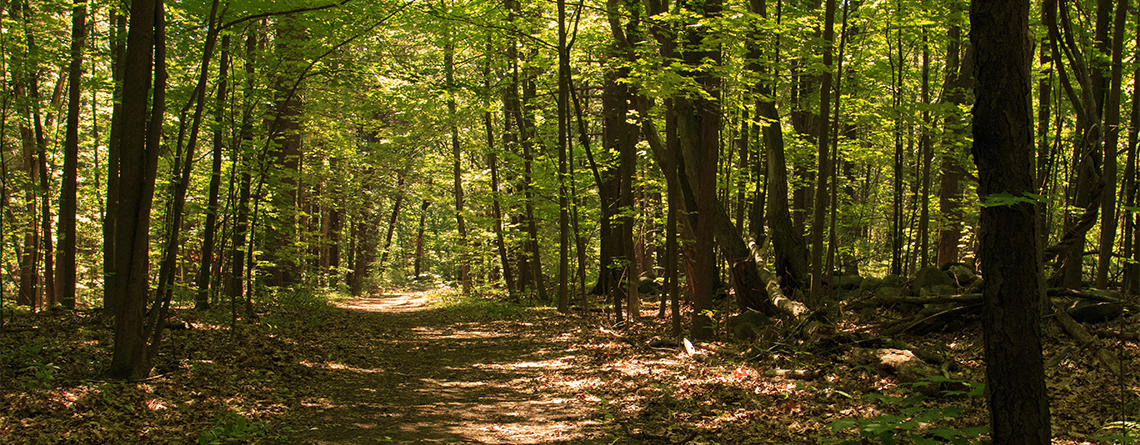
This landscape is the traditional home of the Nipmuc people who are descendants of the indigenous Algonquian people. Native Americans call the Concord area, which includes what would become Lincoln, Musketaquid [Muss-ka-ta-quid] or Marsh Grass River.
The confluence of Sudbury, Assabet, Concord Rivers were important to the local Indigenous people for hunting, fishing, farming, and settlements. The area’s rivers, wetlands, ponds, and marsh provide productive, fertile land which are present and still visible today.
Because of the richness of the land, it became a target for European colonizers who took the land resulting in the displacement of the Indigenous people. Today, with nearly 600 members, the Nipmuc people, a state acknowledged tribe, continue to be one of New England’s most historic and largest native communities.
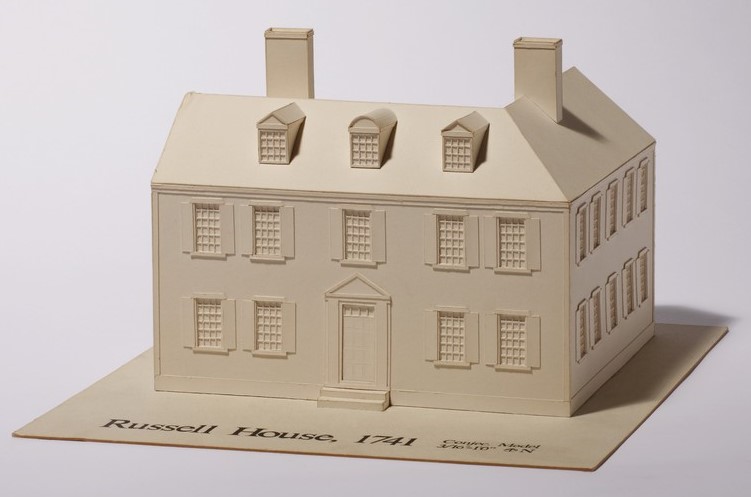
By 1741, Chambers Russell had built a two-story Georgian manor house atop a man-made hill, designed to impress. More than fifty years later, John Codman expanded the house to its current size. Codman’s 1798 redesign of the mansion and grounds reflect the picturesque views, ornamental gardens, and productive farmland he had seen on country estates in England. His vision for the property is largely intact today.
In the eighteenth century, Chambers Russell ran this farm using the labor of enslaved people. Lincoln, Mingo, Peter, Titus, Osmund, and Caesar are named in a 1767 inventory, but we know there were others. Given the size of the estate and the number of workers needed to run the farm and mansion, we believe that dozens of people were enslaved here during Russell’s tenure.
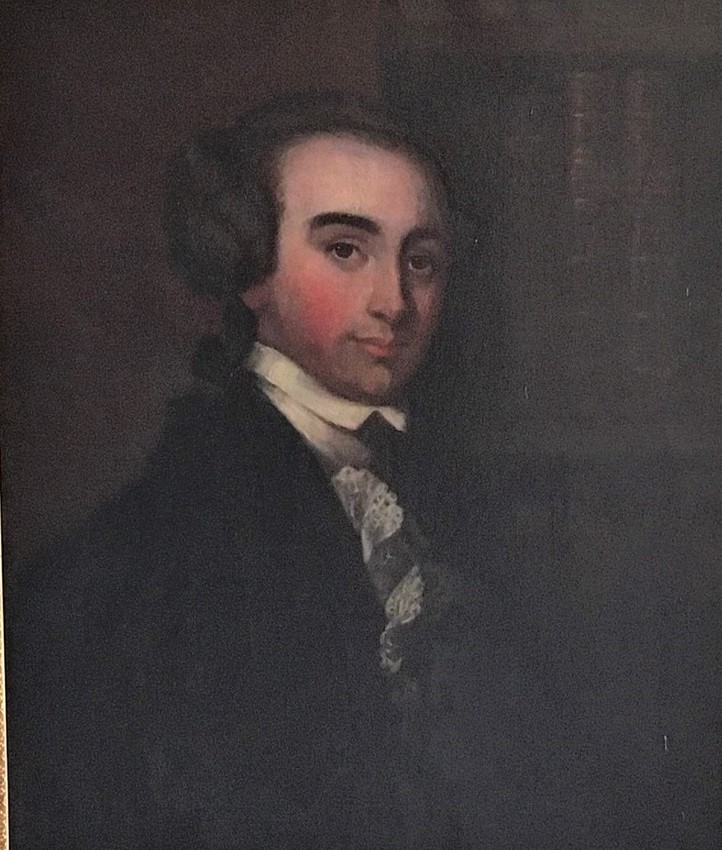
Dr. Charles Russell (1755-1790)
At the time of the Revolutionary War, it was owned by known Loyalists, Dr. Charles and Elizabeth Russell, who fled to their slave-holding plantation in Antigua when the war began.
The 1777 inventory lists “a mansion house with front yard, the farm house, the pottery shop, the Great Barn with the shed adjoining, the corn house or granary, the shay house and stables…” with no mention of the enslaved people they had abandoned in their flight. By 1780, the estate was probated and by 1785, the Chambers-Russell Estate was in the hands of Dr. Charles Russell’s brother, Chambers Russell II (1755-1790) a Patriot during the war.
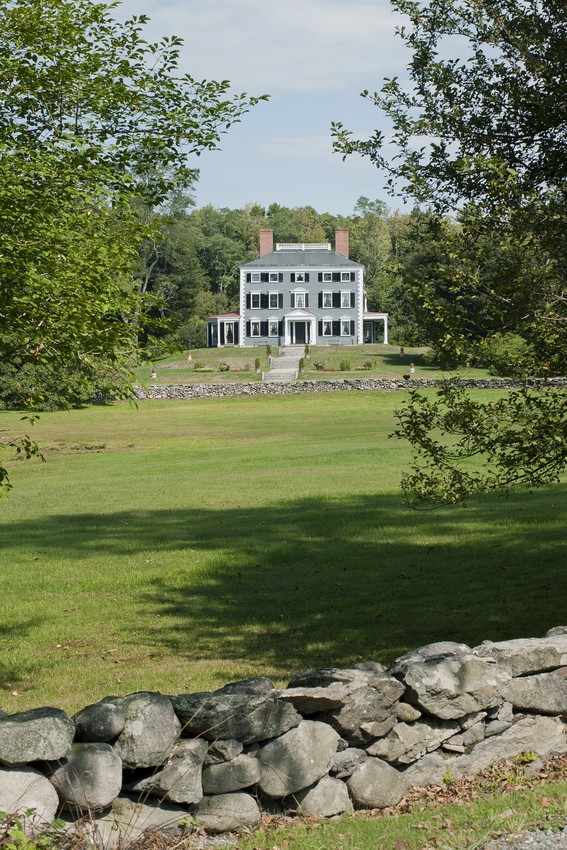
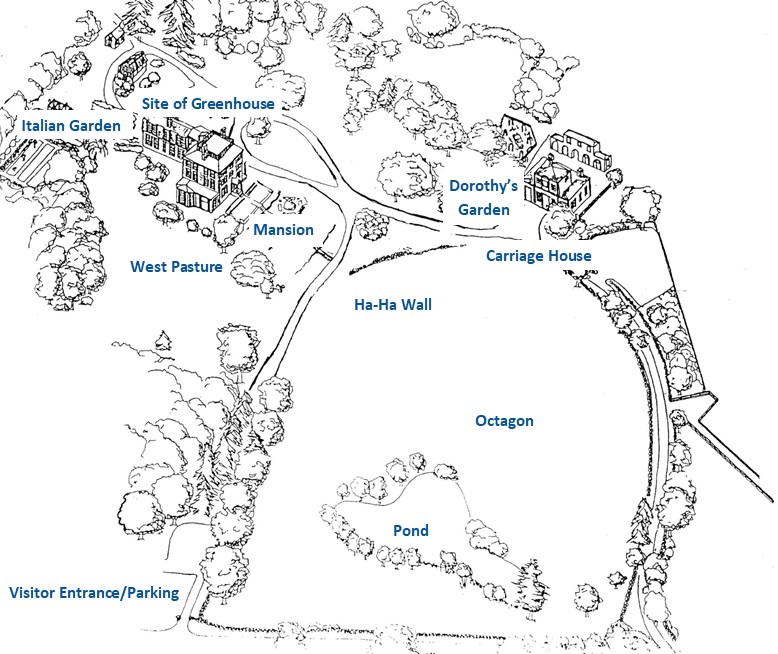
In 1781, John Codman III married Chambers Russell ‘s niece Margaret Russell. Codman proceeded with the largest expansion of the Codman Estate in 1799 and separated the property’s ornamental landscape from the working farm. He installed a clever retaining wall around the Octagon known as a “ha-ha”, or sunken fence, which was barely visible from the house but kept grazing livestock contained. Shaded avenues of elms, picturesque vistas, and winding paths impart a “natural” style alongside the formal parterres adjacent to the house. Codman was interested in improvements to the farm’s agricultural productivity; he was a founding member of the Society for Promoting Agriculture, established in 1792. He planted orchards of apple and peach trees, pastures, vegetable and flower gardens and culinary herbs. After a visit in 1800, Mrs. Elizabeth Gore remarked that the Codman House “was the handsomest place in America.”
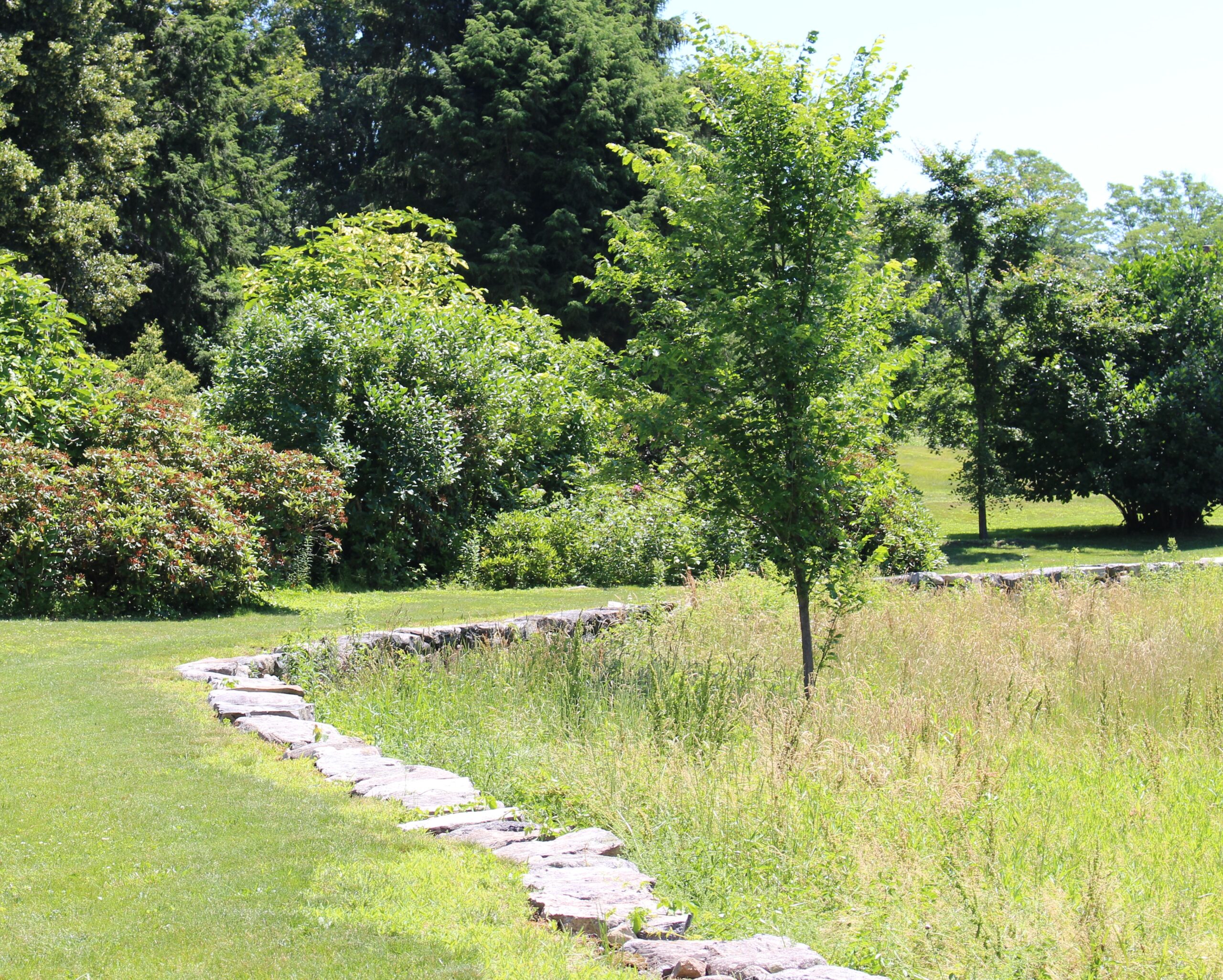
A “ha-ha” wall separates the formal gardens from the pastoral Octagon.
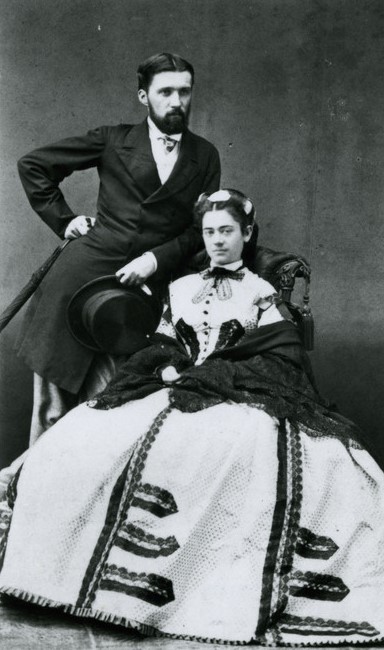
John Codman’s grandson, Ogden Codman Sr. and Sarah Bradlee Codman marry in 1861. As a young, wealthy, fashionable couple, they used the estate as a country retreat and renamed it, “The Grange.”
Sarah Bradlee Codman’s diary, meticulously kept from her engagement until her death in 1922, provides a vivid depiction of the estate during this interval. In 1892, Sarah Codman records a visit from American landscape architect Beatrix Jones Farrand. One can only speculate about her influence on the landscape plan.
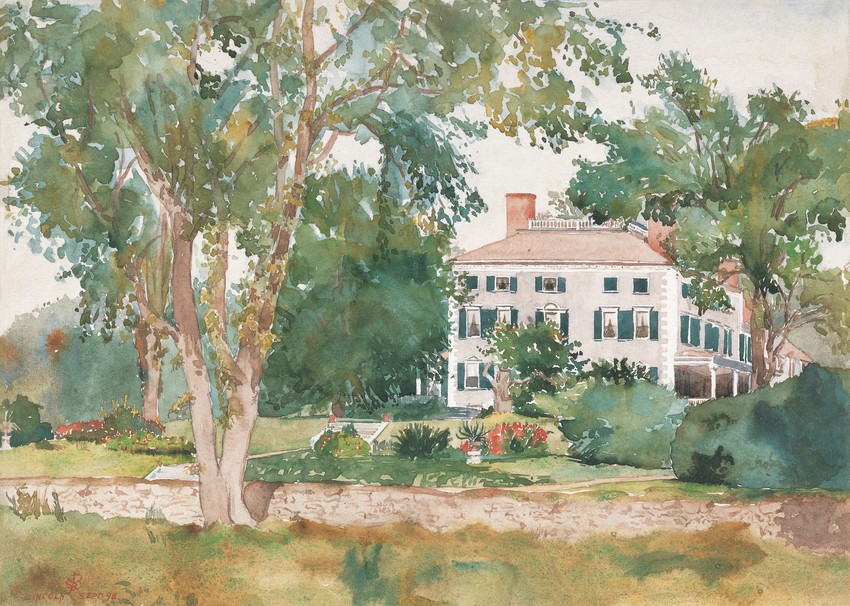
Sarah Codman’s watercolor of “The Grange” showing the “ha-ha” wall from inside the Octagon.
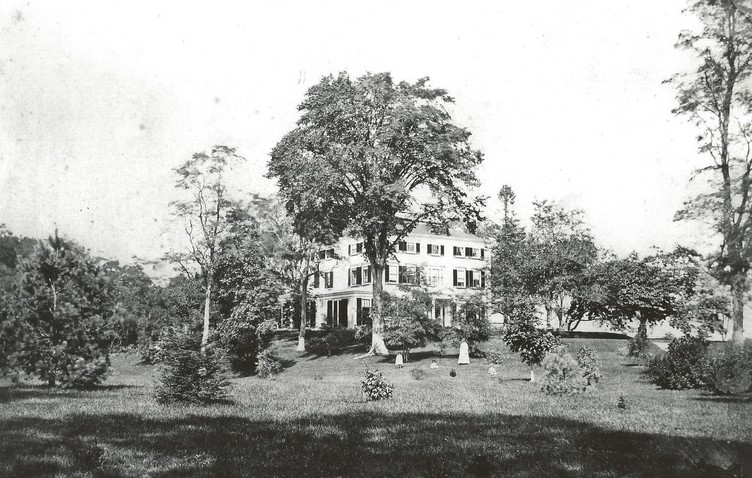
In 1866, Codman placed an order for nineteen different deciduous trees, some of the weeping variety, as an idea for making a private arboretum. A botanic garden of trees, shrubs, and woody vines organized according to scientific or aesthetic principles ornamented the grounds of many New England estates.
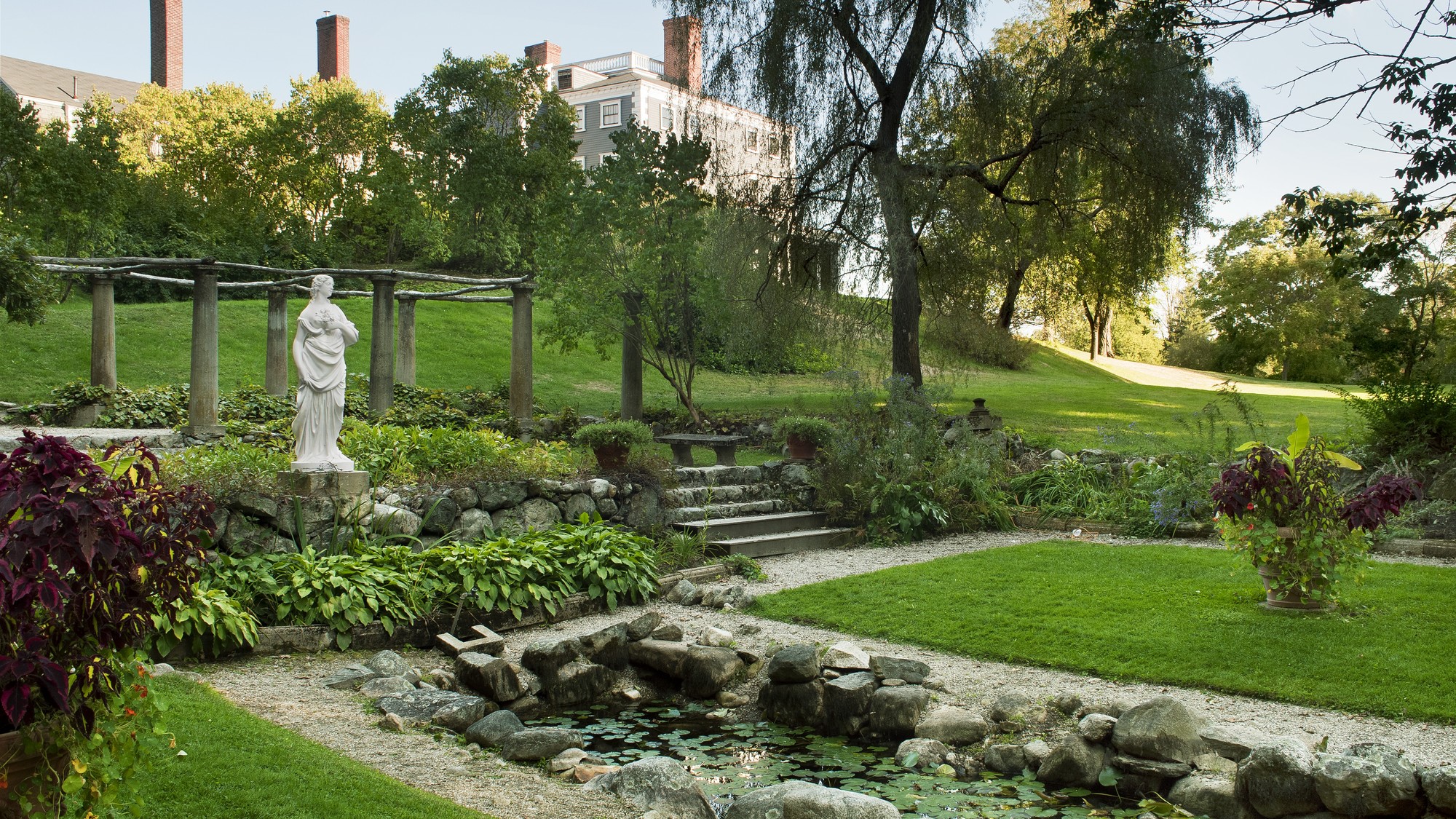
In 1899, notable author, architect, and designer Ogden Codman Jr. advised his mother on the design of a walled Italian garden on the northwest side of the house. This garden reflects Codman’s sense of classicism and order, with classical proportions, statuary and Florentine terracotta urns. As a “giardino segreto” (or secret garden) it sharply contrasts with surrounding picturesque forest and meadows.
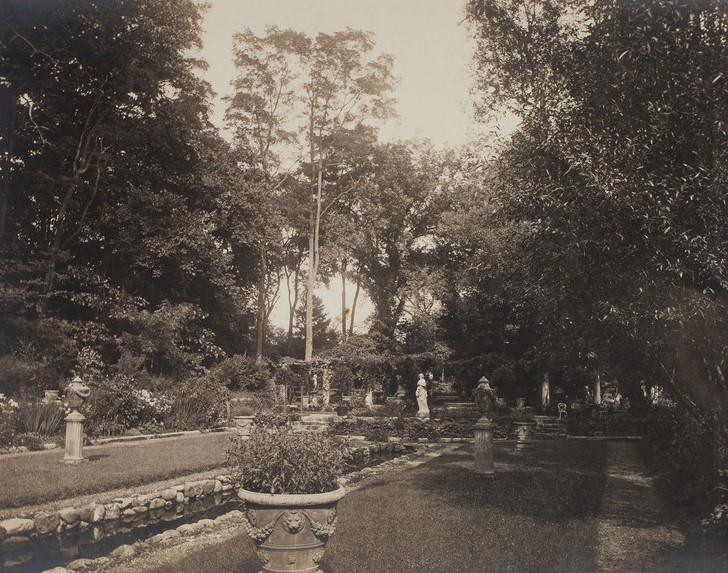
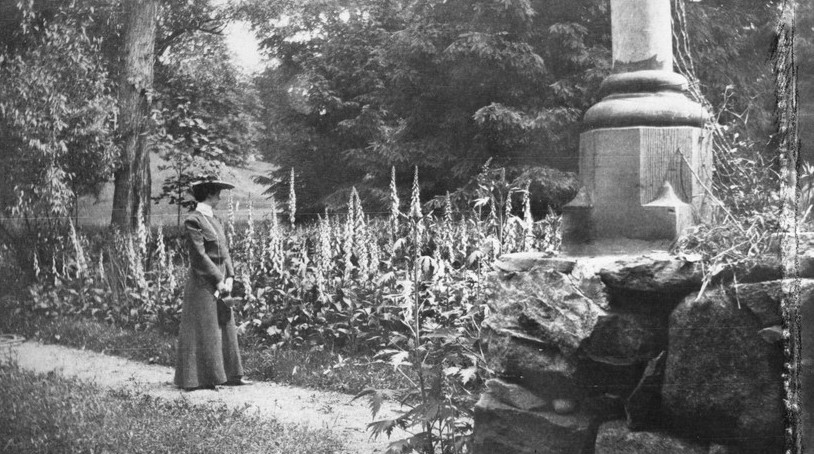
Because of the Codman family’s meticulous and detailed records, now housed in the Historic New England archives, we know with accuracy what kinds of plants the Codmans purchased and laid out in the garden beds. The left side of the garden held shade tolerant plants like ferns, as well as foxglove and wild flowers. The sunnier right side was planted with roses, day lilies, phlox, lupine, delphinium, and peonies.
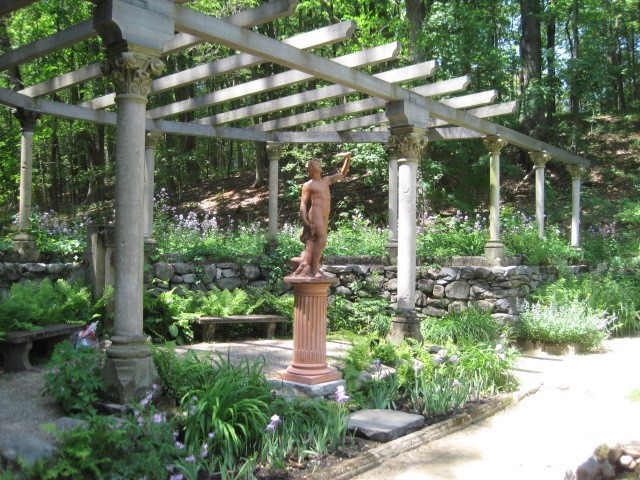
The west end of the garden contains a curved temple-like feature with columns and statuary. Planted at the foot of Bacchus are iris bordered by nasturtiums. Although the garden’s design has its roots in classical antiquity, the construction and plant materials impart a unique New England flavor.
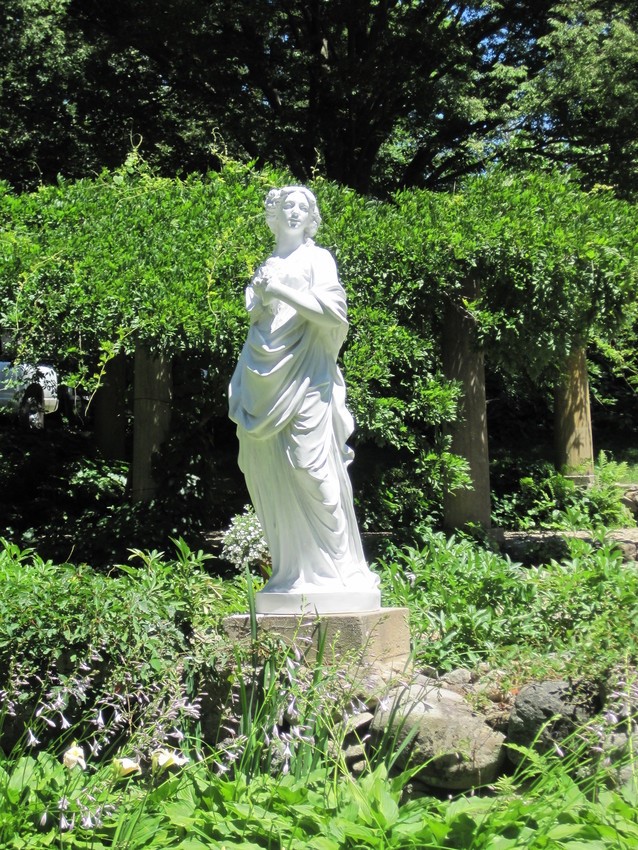
The statue of Flora was reproduced in 2010.
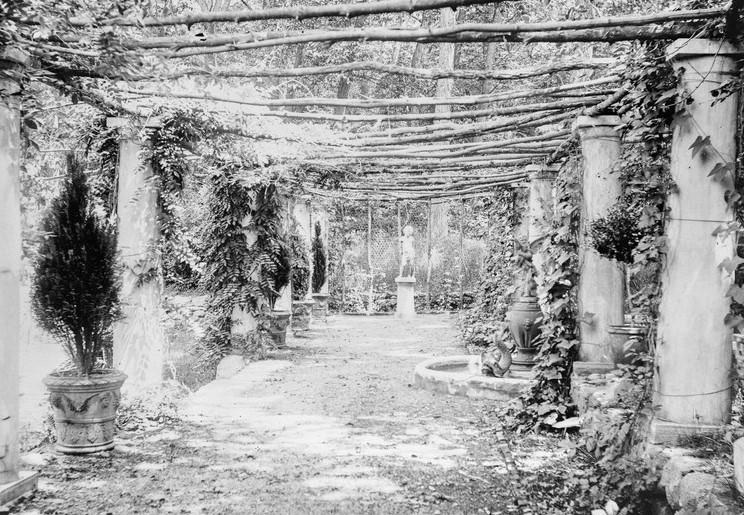
Sarah’s son Tom Codman, who had learned to work with concrete, made the columns on which rough poles were placed to support wisteria, clematis, and honeysuckle vines.
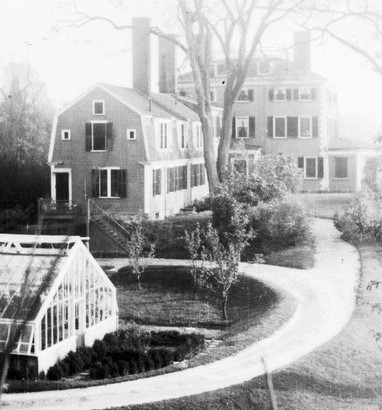
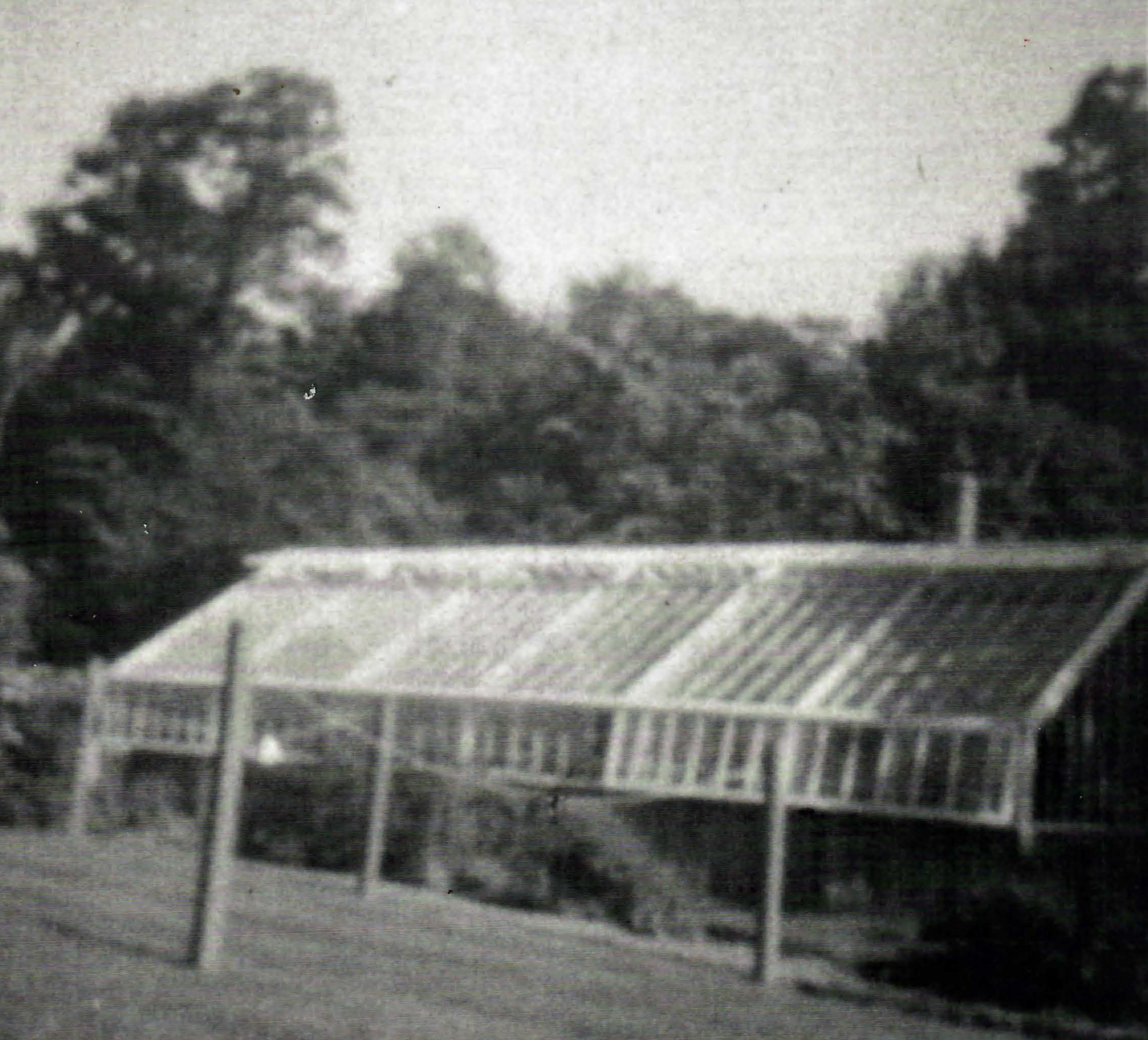
In 1903 the family chose a site for the new greenhouse, and work was completed by 1904. It was re-furbished in 1913-14 at which time Dorothy ordered exotic seeds, camellias, gardenias, special citrus and other tender shrubs as well as banana plants, which bore fruit. The yard adjacent to the greenhouse was just off the back of the servant wing of the house and was utilized for drying laundry. The hurricane of 1938 destroyed the greenhouse; today only the foundation remains.
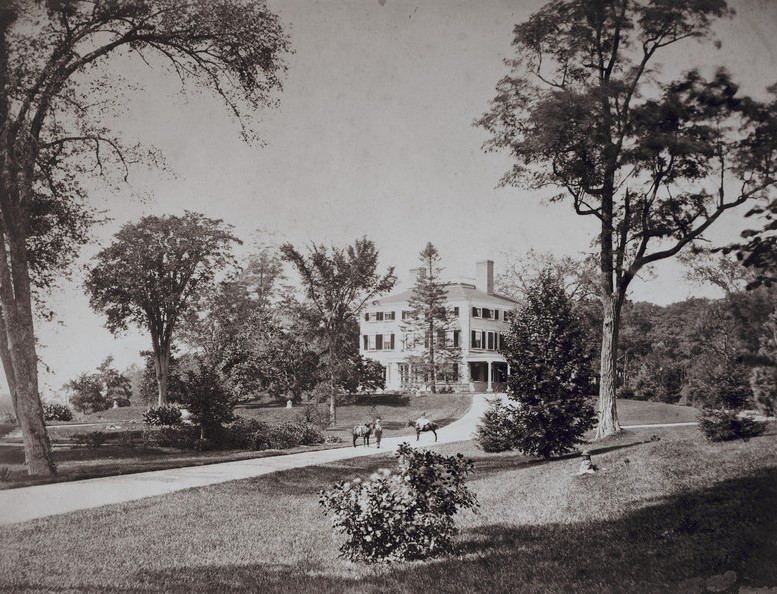
Historic photographs depict the Codman family’s pastoral life of walks, picnics, croquet, pony rides, lawn tennis, and gardening, where the use of the landscape was for recreation, popular in the nineteenth century.
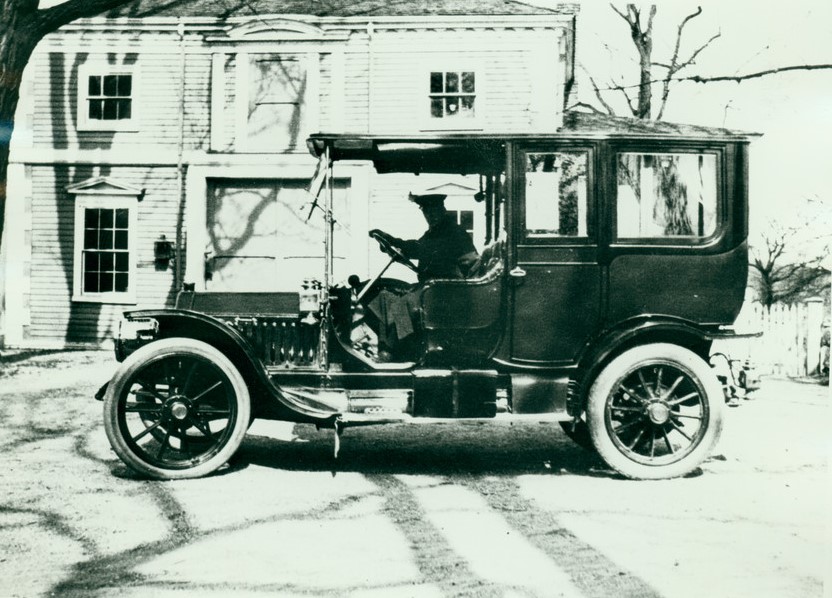
By 1870, a deteriorated stable was replaced with a Federal-style carriage house. After 1903, it was used as a garage for the Codman’s automobiles.
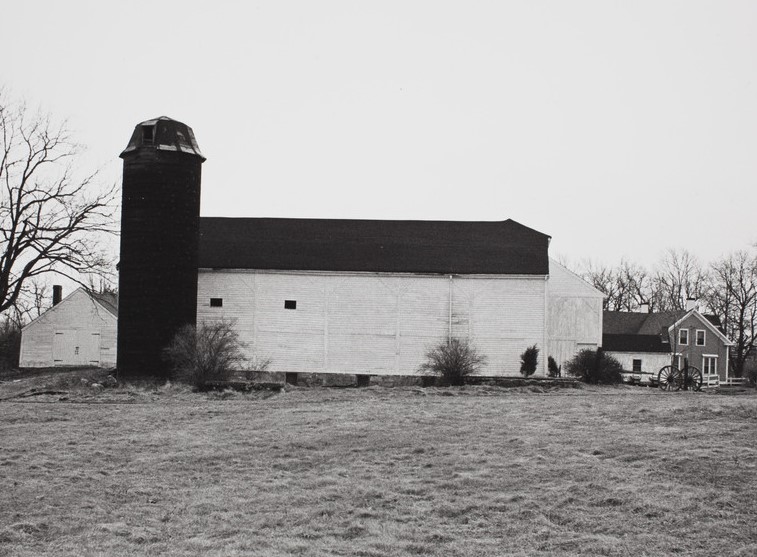
The farm buildings were located a distance from the house, and can still be seen from the road to the right. The Codmans kept animals such as hens, pigs, oxen, work horses and pleasure ponies; corn and hay was planted for fodder. All vegetables, small fruit, and berries in addition to fruit trees were raised on the farm for family and tenant employees, a practice that lasted into the 1940s.
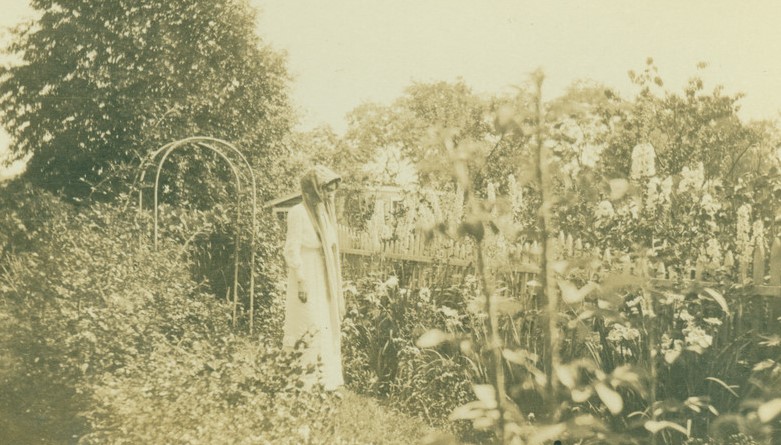
In the early 1900s Dorothy Codman designed a less formal “cottage” garden that was influenced by English garden designer Gertrude Jekyll.
Old-fashioned perennial flowers, climbing roses and clematis covering the fences and arbors, trellises of Concord grape, lilacs and other shrubs, emerge as a succession of seasonal bloom. Dorothy’s brother Tom built the circular pool in the center of the garden.
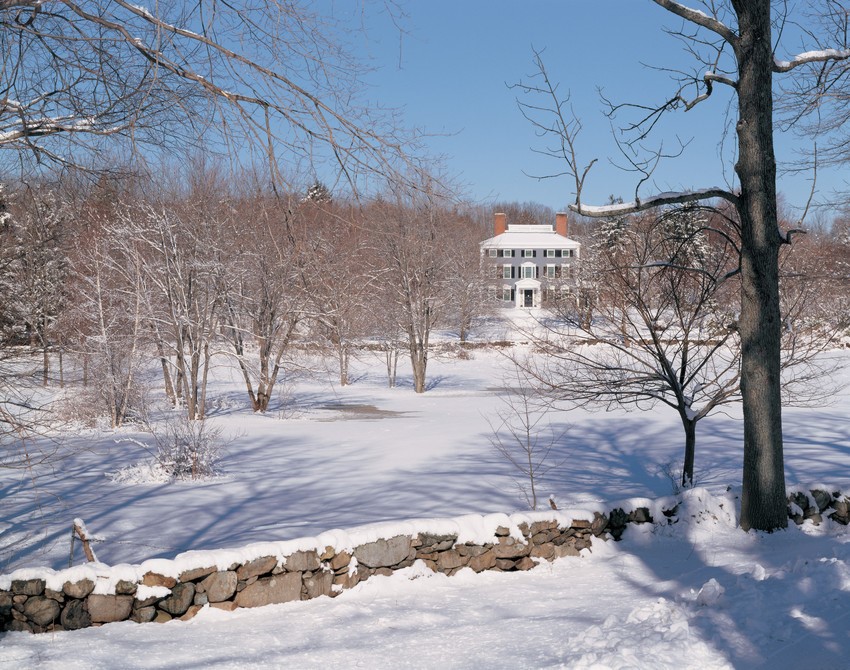
The historic Codman landscape is open every day dawn to dusk and is still a place for recreation or a quiet stroll. We welcome responsible pet owners to enjoy the grounds. Dogs must be on a leash and under control at all times. Please clean up after your dog and do not leave dog waste on the property.
The Codman House is open on the second and fourth Saturday of each month, June through October, for guided tours.
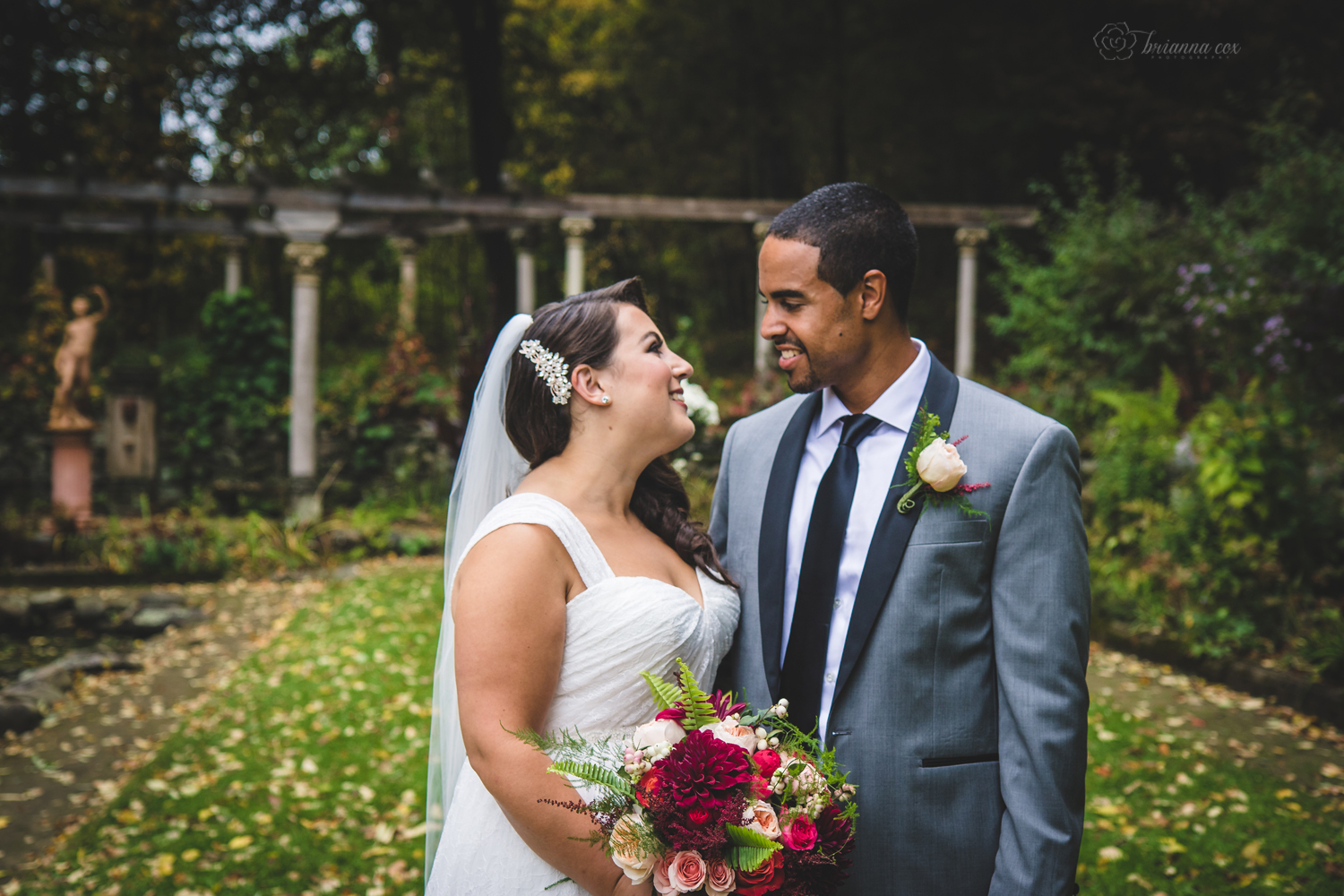
Special group tours of the house and garden may be arranged by appointment. Weddings and other special events are held in the Codman carriage house and gardens.
Photo: Brianna Cox
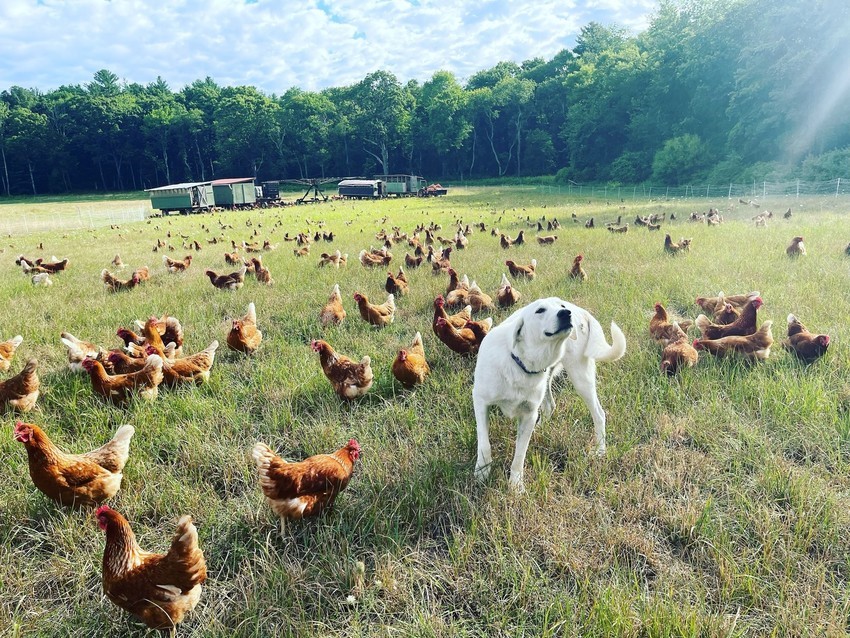
Once part of the Codman Estate, the 1968 bequest of Dorothy Codman left the farm and the surrounding conservation land to the Town of Lincoln. For more information visit Codman Community Farms or to view a trail map visit, Lincoln Land Conservation Trust and Rural Land Foundation.
Sign up to our newsletter for our latest news and events