
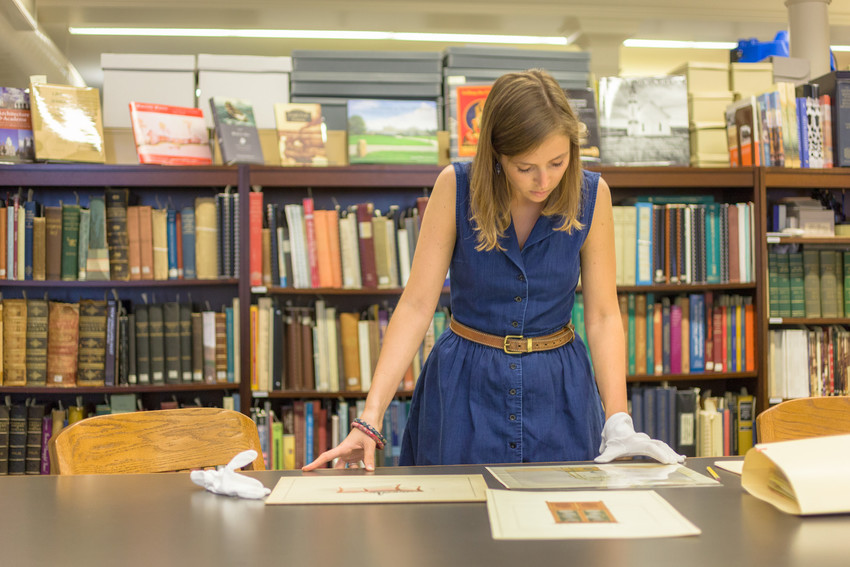
Question: How many items are in the Library and Archives collections? What are the collections’ highlights?
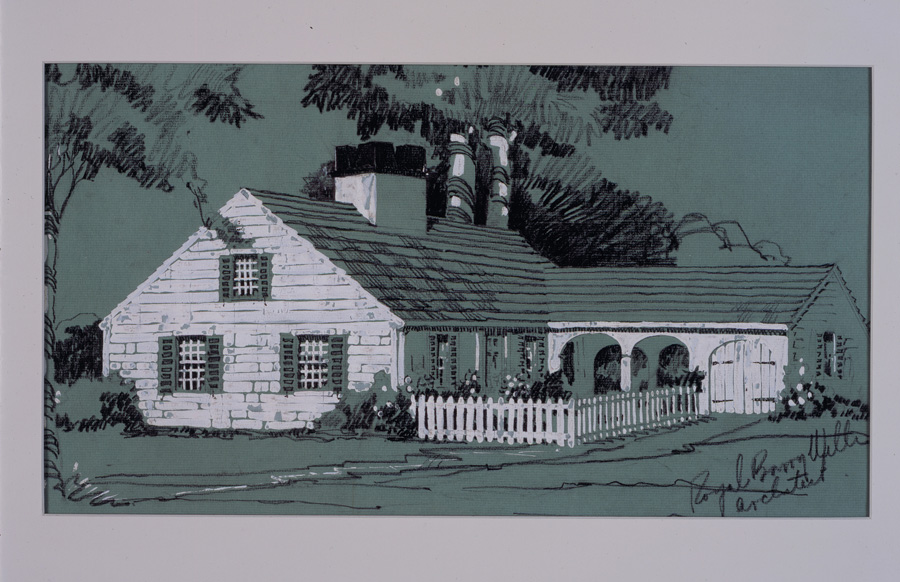
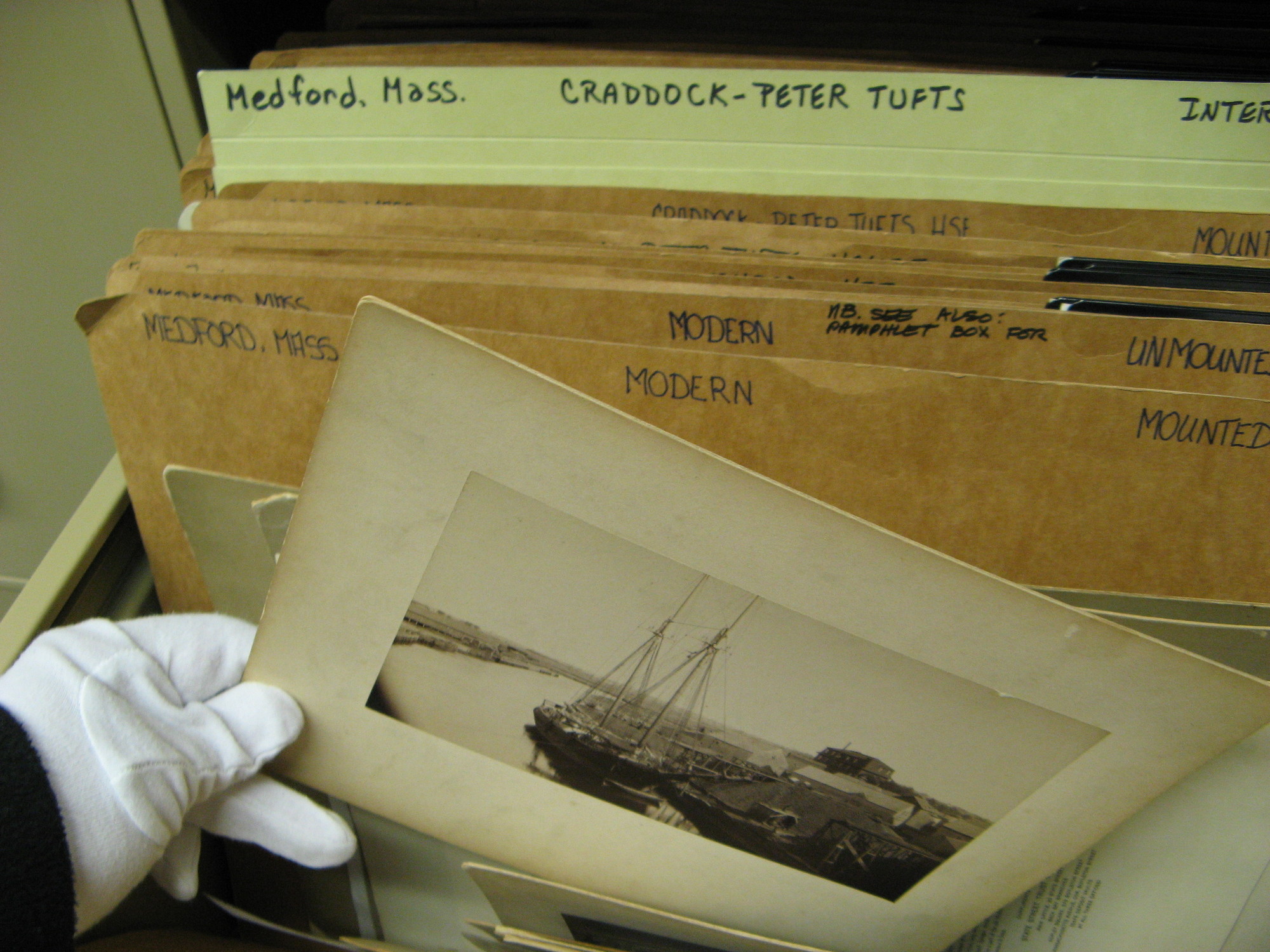
Answer: There are more than 1.5 million items documenting New England’s architectural and cultural history in History New England’s Library and Archives. The archival collection includes:
Question: What are some of Historic New England’s most important collections?
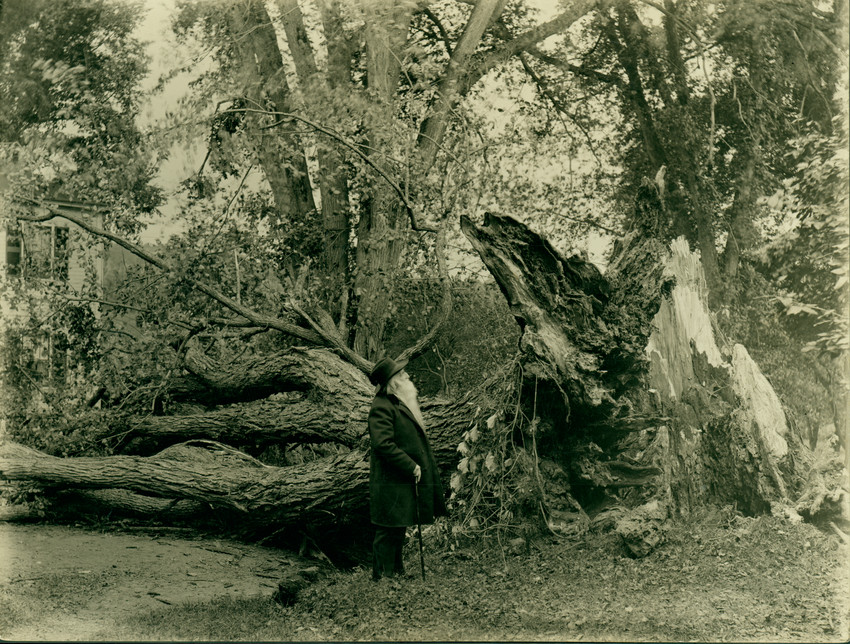
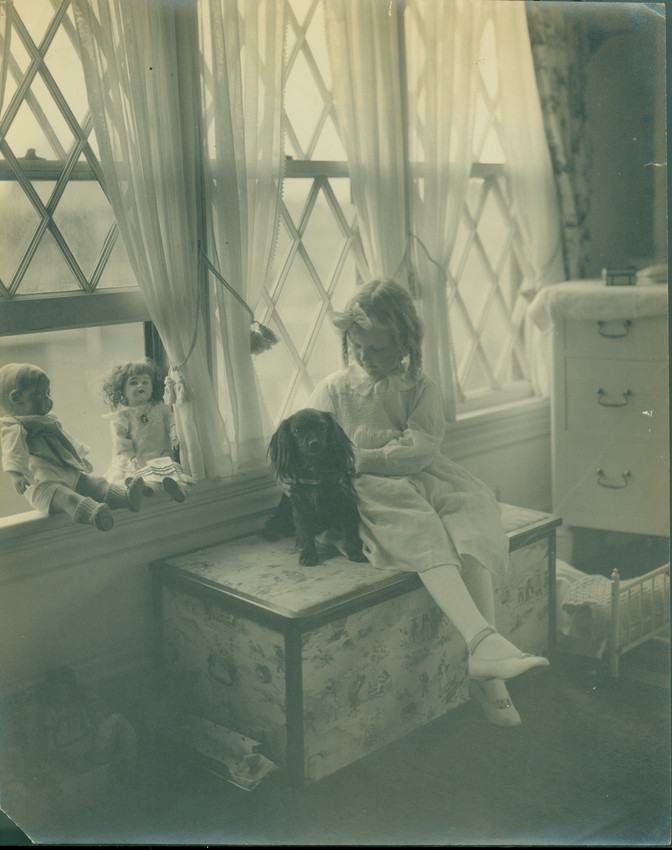
Answer: Collections that are frequently requested by researchers include those that showcase the work of women photographers, both professional and amateur, and the construction of the Boston subway and elevated railway.
Among the many female photographers represented in the collection are Emma L. Coleman (1853-1942) and Mary H. Northend (1850-1926). Coleman was a talented amateur photographer who documented rural and shorefront communities in Maine and Massachusetts in the late nineteenth century. Northend was a prolific author and photographer who produced numerous books and magazine articles focused on New England architecture and material culture in the early twentieth century.
Question: What do archivists do? What does a typical day look like?
Answer: Archivists preserve original historic materials including documents, photographs, maps, audio-visual materials, ephemera, electronic records, and more. We assess the condition of these materials and decide how best to preserve them, and then organize, describe, catalogue, digitize, and provide public access to the historic materials.
There really is no typical day in the life of an archivist. Your day can vary from working with a curator on acquisitions of archival collections to assisting a patron with reference requests, or even helping a photographer digitize archival materials. The lack of predictability is what makes the job so interesting.
Question: What made you decide to become an archivist?
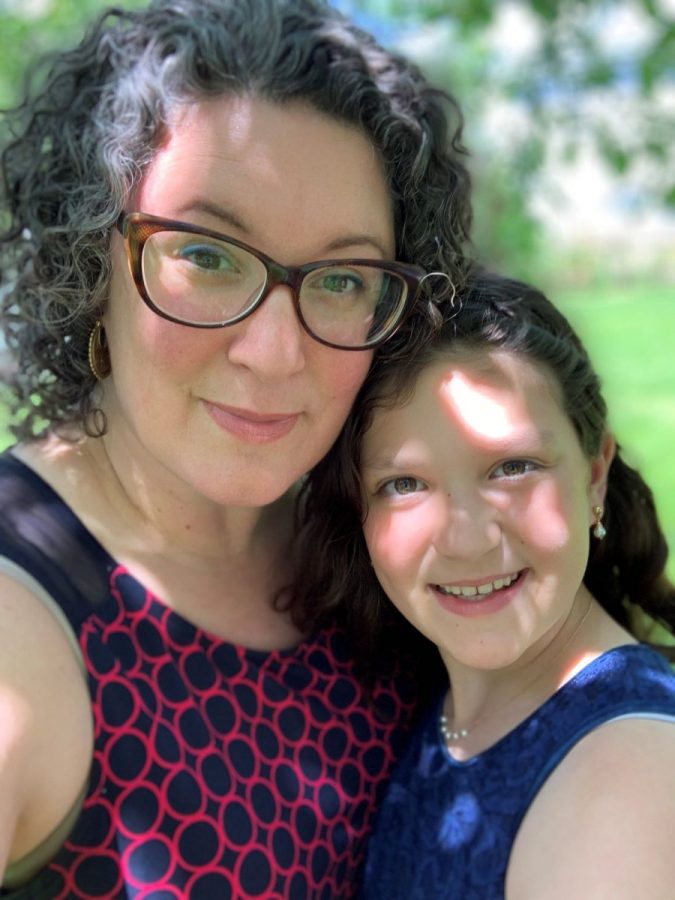
Answer (from Archives Manager Cristina Prochilo): Archives is my second career—my first was as a historic preservationist. Overtime, I realized how much I loved primary resources and providing access to collections so they may be available to all. That led me to archives.
Question: What advice would you give to current archives students? What do you wish you knew in graduate school about archival work that you know now?
Answer: Get as much paraprofessional experience possible in as many different kinds of institutions as possible. Keep an open mind; all experience will be useful! While collections may be different, the foundational principles and basic workflows are generally the same from institution to institution.
Project management, budgeting, and advocacy are all valuable skills. It’s important to be able to talk about archives, and their importance, in a way that’s accessible to everyone!
Are you a student interested in learning more about archival work? Register for our virtual Careers in Public History Workshop to gather insights, testimonial experiences, and advice from a panel of working, seasoned professionals in the field.
Sign up to our newsletter for our latest news and events