
This post is the second in a series on the “reduce, reuse, recycle” waste hierarchy. The series examines contemporary waste management practices in the US, how we dealt with waste in the past, and what we can do today to make an impact on waste reduction now and in the future.
In 1960, a person living in the US produced an average of 2.68 pounds of waste per day. Today, at 4.9 pounds per day, the average amount of waste we each produce has nearly doubled. Most of that waste, totaling approximately 265 million tons, will make its way to a landfill or an incinerator. If that sounds like a lot, that’s because it is. The US comprises only 4 percent of the total world population, but we generate 12 percent of the world’s municipal waste. How did we come to create so much trash and why has the amount increased so much over the past sixty years?
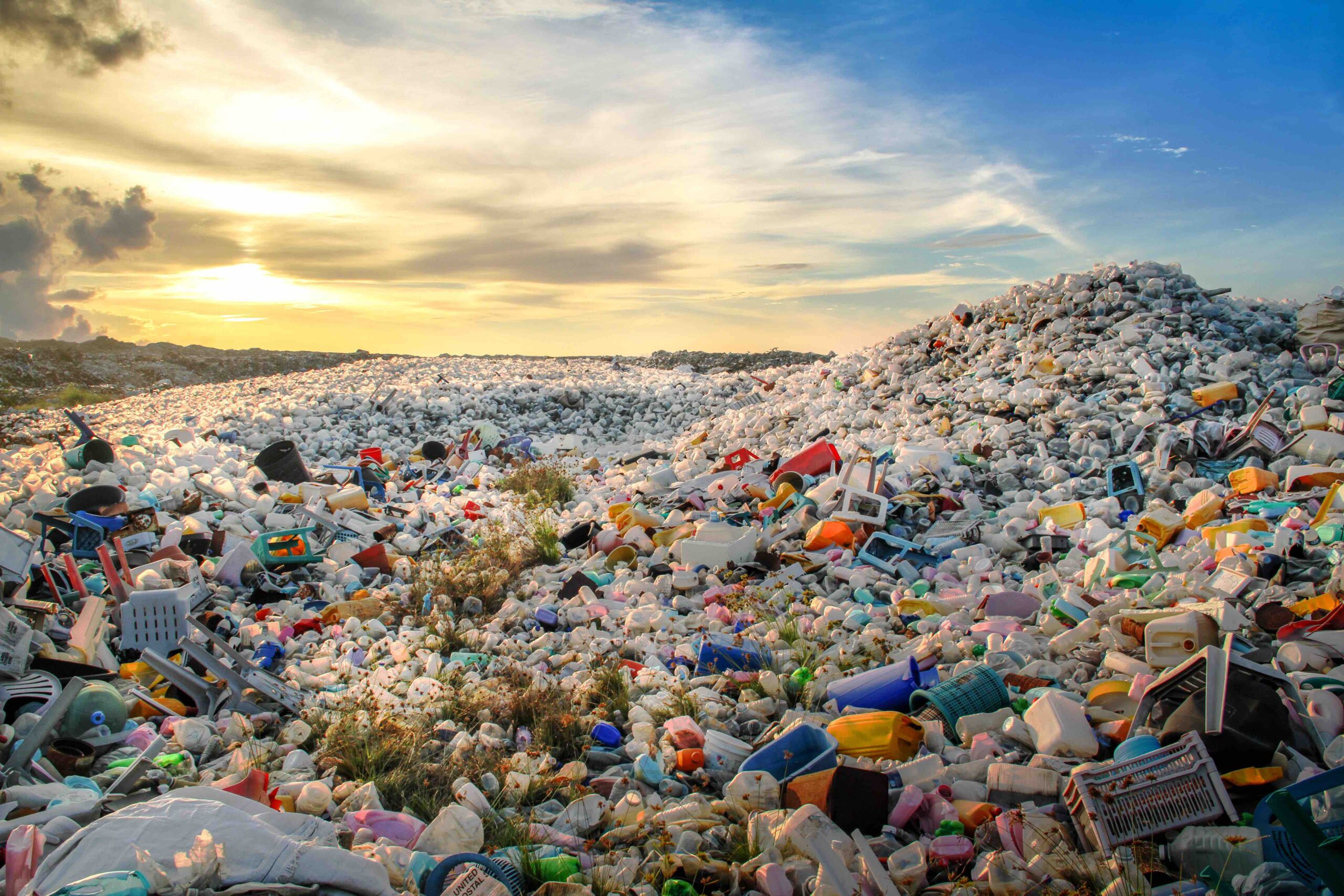
Human beings have always generated waste, and we’ve always had to find a way to deal with it. How we view waste has also changed over time. In fact, waste may not even be the right term to use when talking about the waste management practices of the past, because much of what we would now call waste was seen as a resource rather than something to be tossed into the garbage.
Archaeologists excavating the site of ancient Pompeii found that debris from old buildings, discarded amphorae (a type of ceramic jar used to store liquids like wine and olive oil), and other waste materials were gathered and sorted for future use in new building construction. Not all the ways humans repurposed waste in the past were so ecologically sound. In colonial New Amsterdam (now New York City), settlers used waste materials as fill to expand land area along the shoreline of Manhattan.
Prior to the Industrial Revolution, people in the US reused, repaired, or repurposed nearly everything and produced little household trash. They also owned less than we do today. Most things were made by hand, often at home, which was time and labor intensive. Buying a few yards of cloth to make a dress was expensive. If that dress developed a hole, they repaired it. If it became too small, they either adjusted it so it would fit or found a way to reuse the materials. It might become an apron, and then a quilt square, before being sold to a rag man.
In the late nineteenth century, it became more economical in both cost and time for Americans to buy something new rather than fix broken items. Increased industrialization made household goods more affordable, and also encouraged people to move from rural areas to cities, where they worked outside of the home or family farm and had less time to repair household goods. All of this new waste had to go somewhere, and in 1937 the first sanitary landfill in the US opened in Fresno, California.
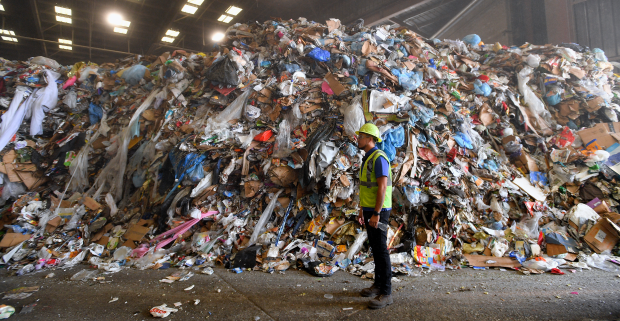
Even with the increased availability of goods and household buying power, it wasn’t until after World War II that waste production began to dramatically accelerate. Manufacturers began to regularly release new versions of existing products and Americans’ perceptions of success were increasingly tied to having the newest things. One result is that plastic production in the US increased from 390,000 tons annually in 1960 to 35,680,000 tons in 2018. Much of this plastic is used for the packaging of consumer goods, and most of it is not recyclable.
Between 1934 and 1950, the average length of car ownership decreased from five years to two, though most households only owned one vehicle. Today, 64 percent of Americans keep a car for fewer than five years before replacing and many households own two or three vehicles. In 1960, the typical American household spent 10 percent of their income on clothing which afforded them about twenty-five pieces of clothing per year. Beginning in the 1970s, clothing manufacturers began moving their production out of the US to markets with lower labor costs, dramatically lowering the cost of clothing. Today, we spend about 3.5 percent of our income to purchase about seventy pieces of clothing per year.
The changes that brought us here are not inherently bad, and we can’t lay the blame solely at the foot of plastics. In the past, much of the mending and repairing relied on the unpaid labor of women, who had no option to work outside of the home. The increase in plastics manufacturing has also allowed us to make great strides in the safety of certain medical procedures. It is not likely that, as a society, we will return to a time where the majority of people lived on farms, raised their own food, and made most of what they needed with their own hands. So, what can we do?
Many of us want to do something, but feel powerless in the face of all this waste. What are the options for reducing our personal impacts? Does taking individual action even make a difference? What can we do to reduce waste at the community, state, and national level? The third post in this series will share some ideas for how we can reduce our own waste and have an impact beyond our own lives.
In September 2023, Historic New England adopted a climate action statement and four climate action goals. These serve as the organization’s guide for ongoing planning. Read more about it.
Written by Joie Grandbois, Sustainability Coordinator
Part I in this series examines the history of recycling.
Sign up to our newsletter for our latest news and events