
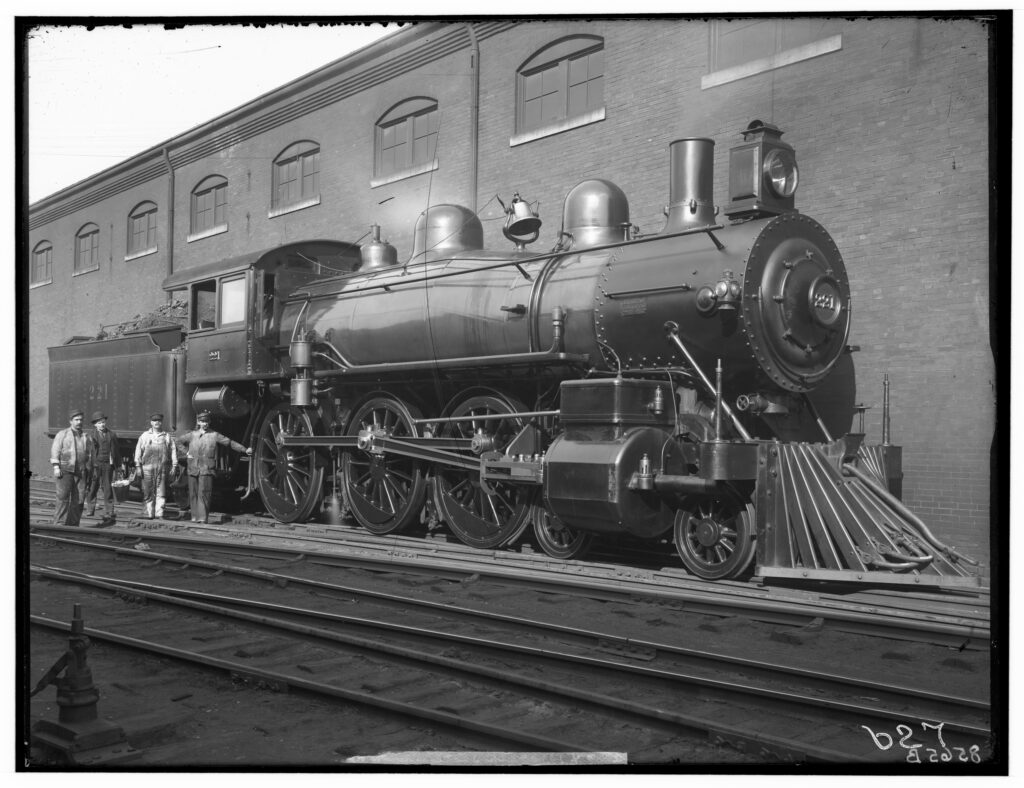
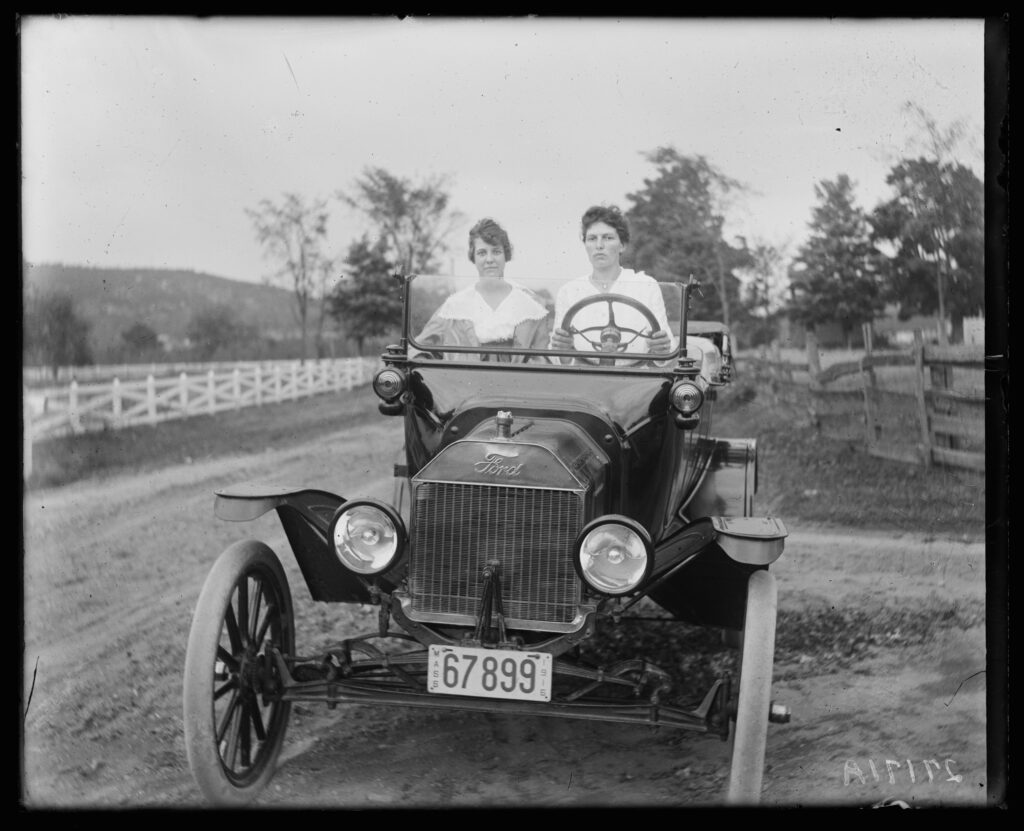
Photographic negatives capture extraordinary levels of detail, preserving moments, places, and people with remarkable depth. They are also among the most physically fragile materials in an archive, usually requiring specialized handling and equipment to view. Preserving photographic negatives is paramount because they are the original capture; they possess more detail, sharpness and depth than their printed counter parts. Digitization bridges the gap between preservation and access by converting negatives into high-quality digital images that maintain their vast visual details. When paired with descriptive information and made available online, these images can reach a wider audience than ever before.
“Capturing New England: Digitizing Historic New England’s Negative Collection” is an IMLS-funded, multi-year initiative to digitize 125,000 glass plate and film negatives dating from the late nineteenth century through the present. The project preserves these fragile materials while expanding online access for researchers, students, and the public.
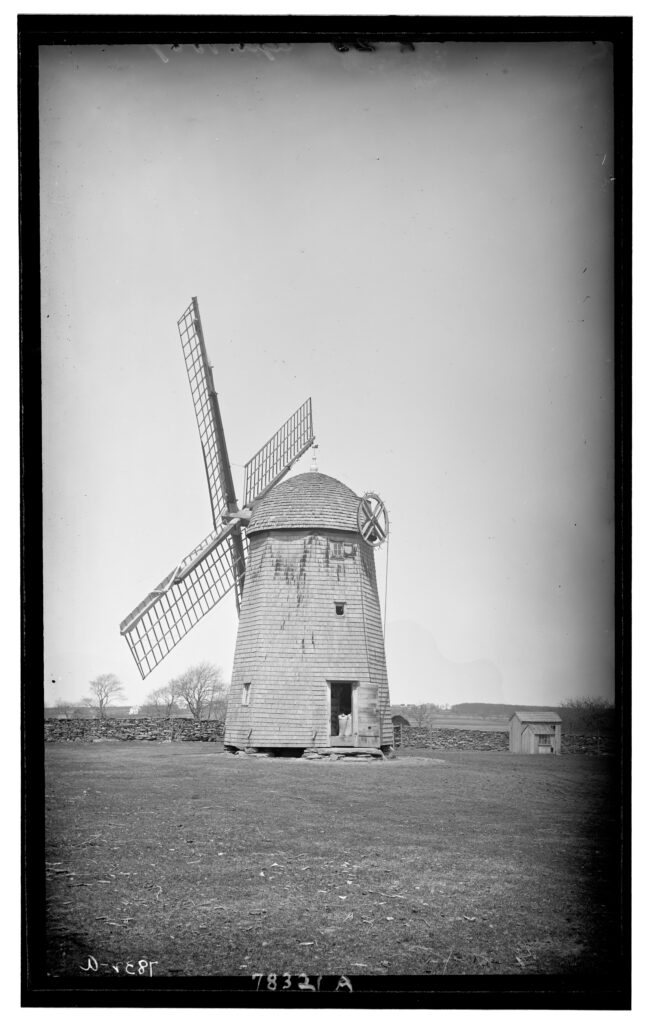
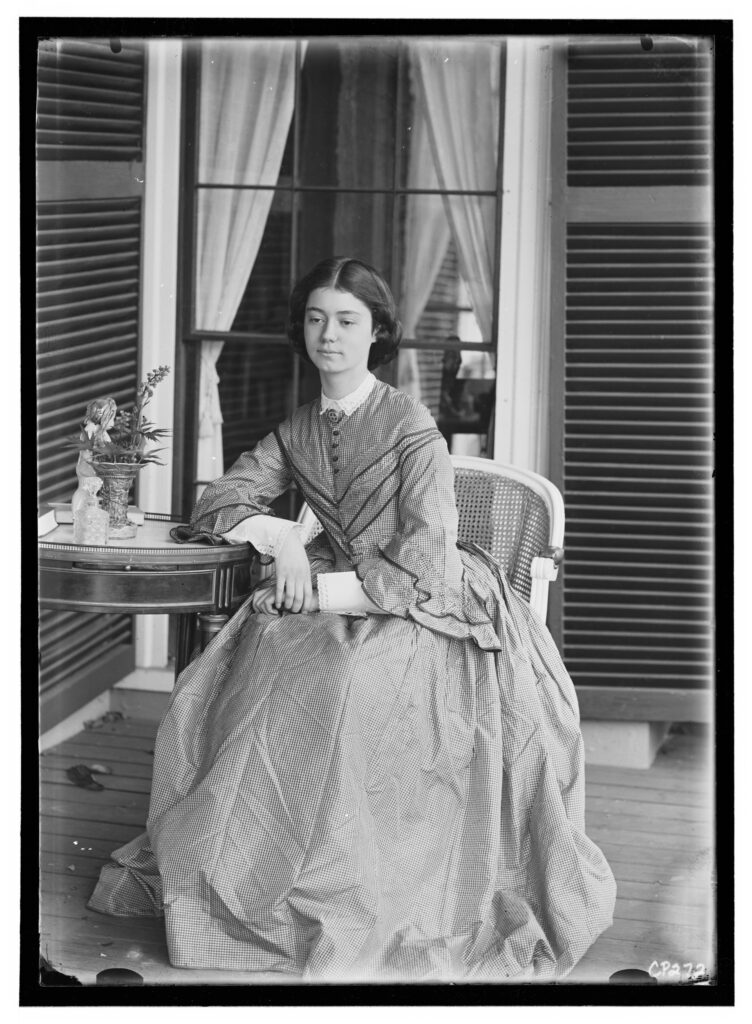
Since its founding in 1910, Historic New England has collected photographs that document the people, places, and everyday experiences of life in the region. Founder, William Sumner Appleton (1874–1947), believed that photographs were essential historical records with a unique ability to connect viewers’ understanding of what they depicted. As he once wrote: “The point cannot be too often reiterated that any and every picture of a New England subject be it landscape, seascape, old or modern houses, ship or what-not, is suitable for our collection.”
For more than a century, Historic New England has continued to prioritize photography as a core collecting area. Today, the collection includes more than 600,000 prints and negatives, ranging from the work of prominent professional photographers to snapshots taken by amateurs. Together, these images capture New England life from the 1840s to the present across a wide range of photographic formats and media.
The work is carried out by a project team that brings together expertise in photographic preservation, archival description, and digital collections management. Leading the work are the co-authors of this post, Project Photographer Hayley Edgar, who digitizes the negatives, and Project Archivist Joshua Heropoulos, who creates metadata and online finding aids for the collections. Project Archivist Chloé-Marie Cabaret-Salameh works part-time on the project to assist with metadata and finding aid creation. Two volunteers assist with preparation work, including barcoding and re-sleeving. The project is also supported by Historic New England’s IT staff, who developed the project database and digital workflows and continue to refine the process as new technologies become available.
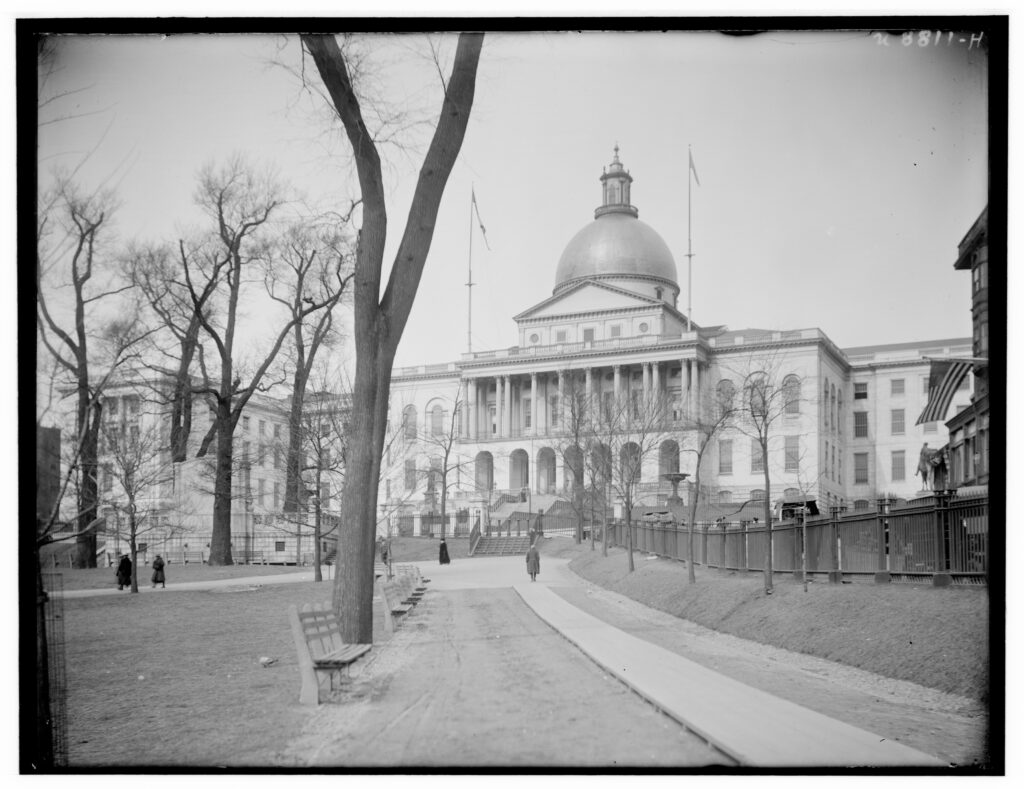
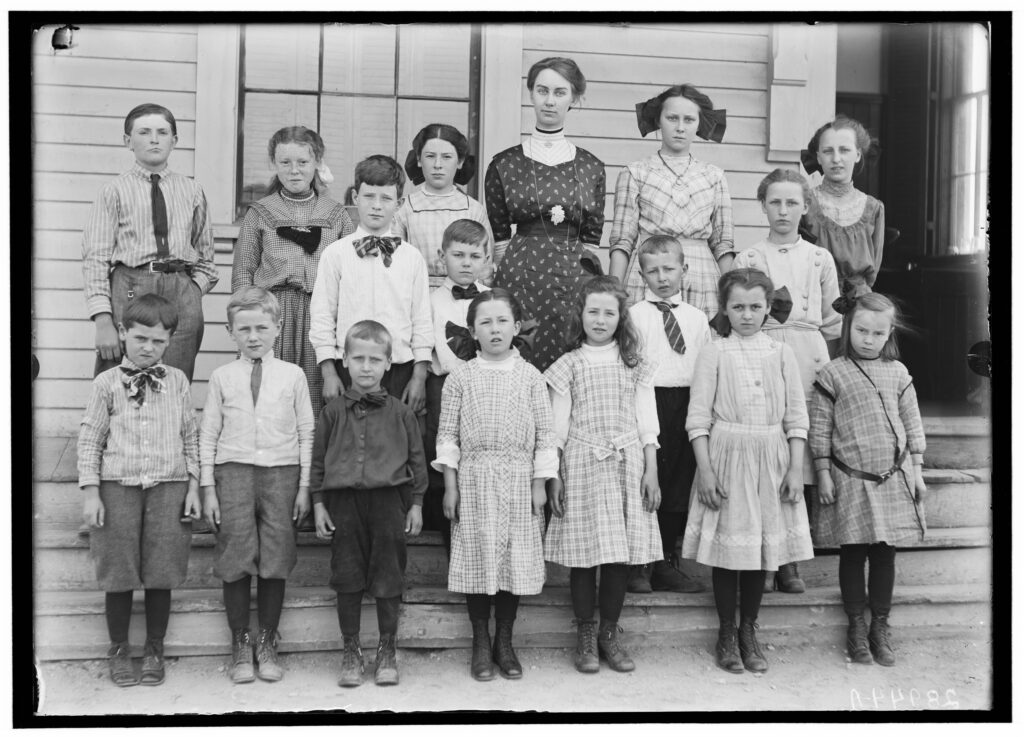
To date, fifteen collections have been digitized, described, and made publicly accessible through Historic New England’s collections access portal. The team continues to process additional collections at a rapid pace. As the project progresses, these visual records are steadily becoming more accessible to researchers, students, and the public, while also supporting the long-term preservation of increasingly vulnerable originals.
Written by Hayley Edgar, Project Photographer, and Joshua Heropoulos, Project Archivist, IMLS Negative Digitization Grant

This project is made possible in part by the Institute of Museum and Library Services, grant number MA-253242-OMS.
Sign up to our newsletter for our latest news and events